How Much Do All-on-4 Dental Implants Cost?
The short answer.
The cost of All-on-4 implants depends on your location, your dentist's experience and whether you need extra work such as bone grafting or gum treatment. Health insurance may cover only part of it, and payment plans can spread the cost.
All-on-4 replaces a full row of teeth in the upper or lower jaw with a fixed bridge screwed onto four implants. The cost has several parts, and the total depends most on whether you need one jaw or both, and whether you need extractions or bone grafting first.
What All-on-4 involves
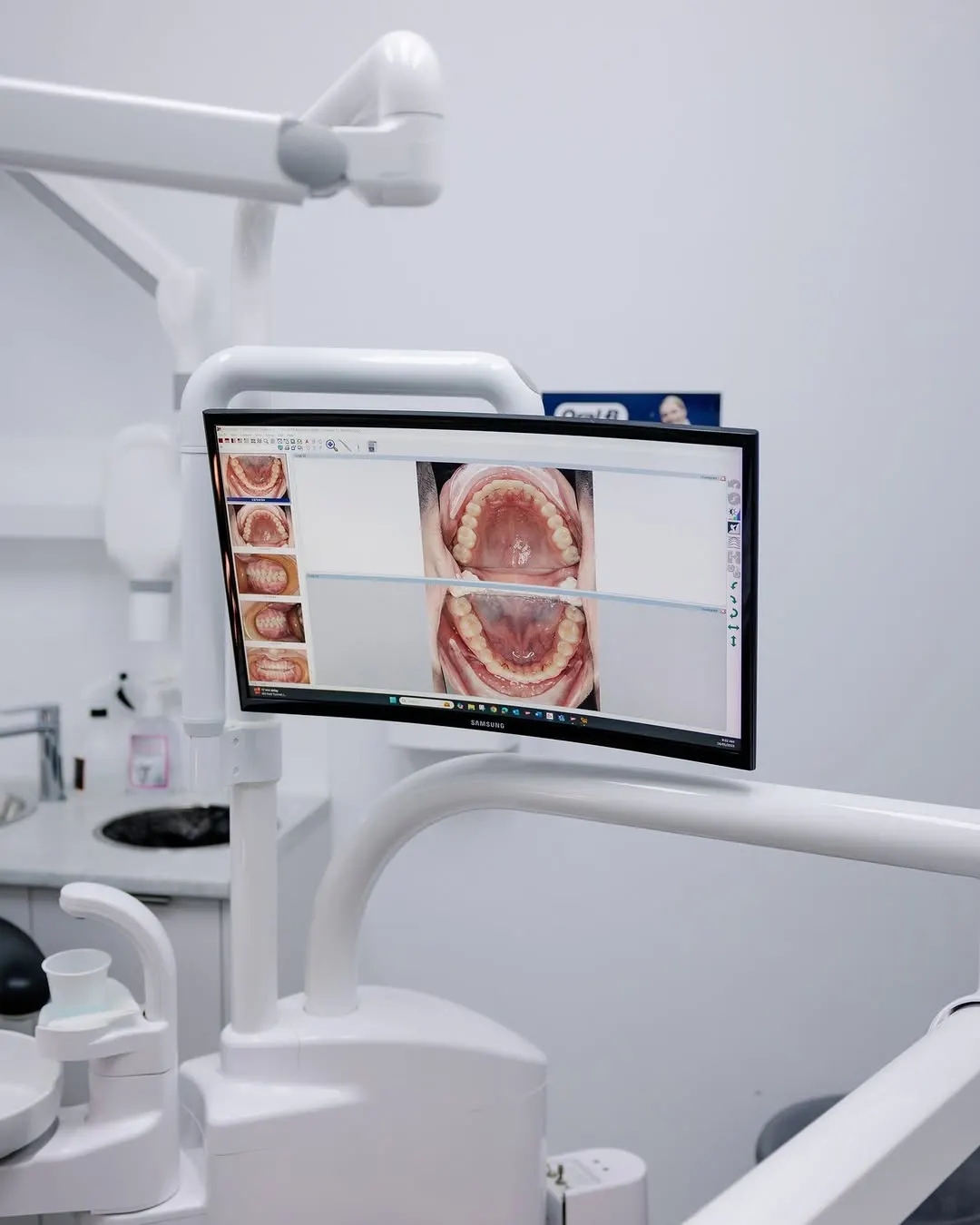
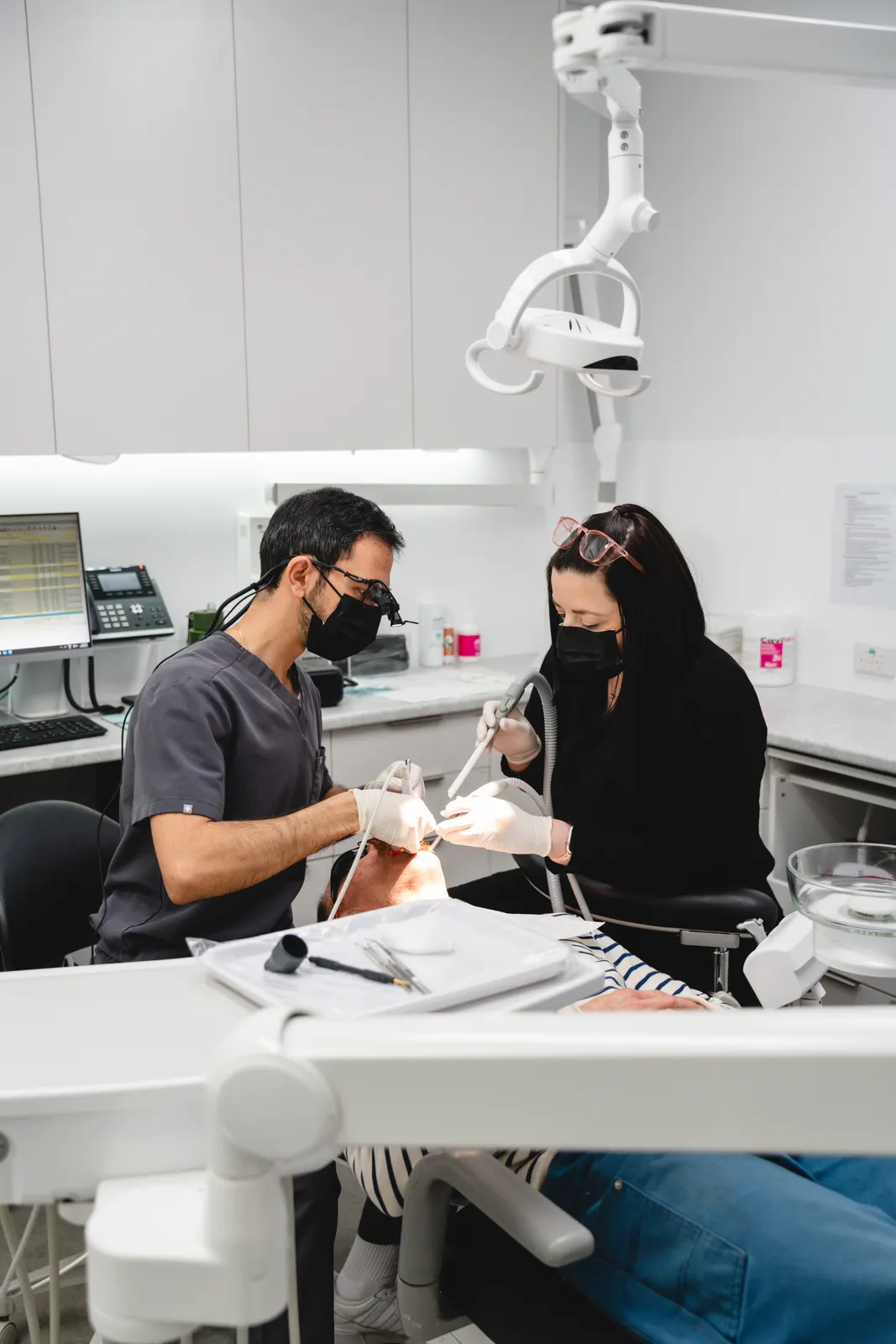
Four to six implants are placed in the jawbone and a fixed bridge of teeth is screwed onto them. You don’t take it out; your dentist does, at reviews. Most people get temporary teeth within days of surgery, then their final teeth a few months later, once the implants have healed into the bone.
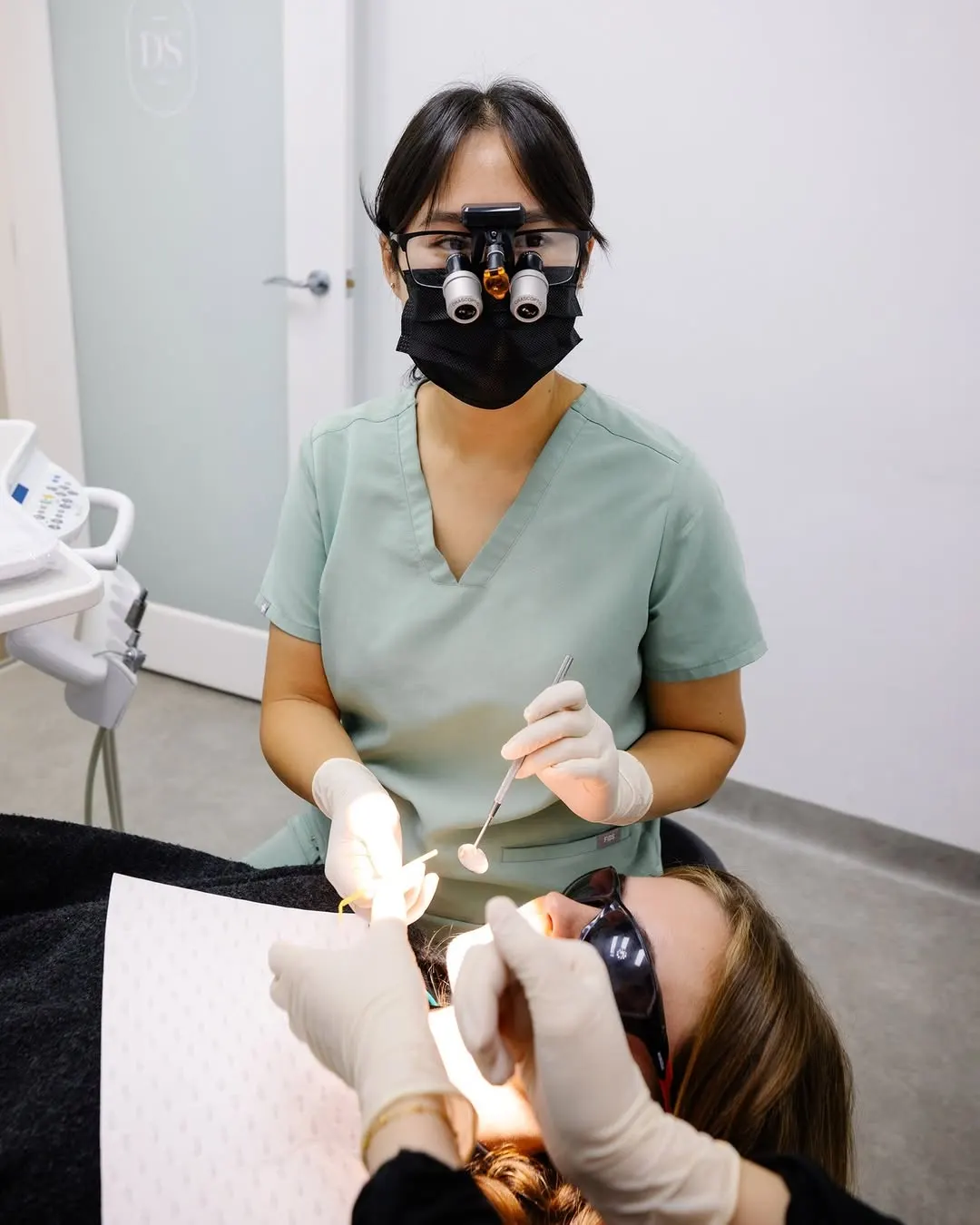
At Dental Spot, one of our dentists assesses you and plans your treatment, and a surgeon we refer you to places the implants. Read more about All-on-4 implants at Dental Spot.
What All-on-4 costs
No published fee survey prices a whole All-on-4 arch. CHOICE’s dental fee guide (updated March 2023, using the ADA’s 2022 fee survey) lists placing a single implant at $1,334 to $3,000. If each implant were priced like a single one, four would come to about $5,300 to $12,000 (our arithmetic), before the abutments, the bridge of teeth, scans and any extractions. Neither figure is our fee. Fees depend on the treatment you need, so we give you an accurate quote at your consultation, before anything starts.
Because the surgery is referred, you get the cost of each part in writing before you decide.
What changes the price
- One jaw or both: each jaw needs its own implants and bridge.
- Extractions and bone grafting: teeth that can’t be saved come out first, and some people need a bone graft before the implants can go in.
- Gum treatment: gum disease is treated before implant surgery.
- Scans and sedation: a 3D scan plans the surgery, and sedation adds to the cost if you have it.
- Materials: what the final teeth are made of.
- Location: fees vary between cities and suburbs.
- The dentist’s experience: an experienced, well-trained dentist may charge more.
- Follow-up care: reviews, cleaning and repairs over the years.
Health insurance
Medicare doesn’t cover dental implants for most adults. Some extras policies pay part of the cost under major dental, usually with an annual limit and after a waiting period, but few, if any, cover the whole procedure. Ask your fund with the item numbers from your quote.
Payment plans
Payment plans and staged treatment can spread the cost over time. Ask for the total cost and the provider’s terms before you commit.
How to compare All-on-4 quotes
A lower quote may leave parts out. Check that each quote lists:
- the assessment, X-rays and 3D scan;
- any extractions, bone graft or gum treatment;
- the number of implants, and the surgeon’s fee if it’s quoted separately;
- the temporary bridge and the final bridge;
- sedation, if you have it;
- the reviews during healing.
All-on-4 or dentures?
Dentures cost less up front and restore the look of a full set of teeth. They’re removable, though, need more upkeep, and can affect the jawbone over the long term. All-on-4 teeth are fixed and feel closer to natural teeth, but they need surgery, enough jawbone and health that allows surgery.
More implants per arch and implant-retained dentures are other options. Our guide to full mouth implant options compares them.
Risks and recovery
Like any surgery, All-on-4 carries risks: infection, an implant not healing into the bone, numbness from nerve injury with lower-jaw implants, sinus problems with upper-jaw implants, and the teeth on the implants chipping or wearing over time. Smoking and uncontrolled diabetes raise the risk of implants failing.
The surgery is often done under local anaesthetic. Read whether implant surgery hurts for what to expect.
After surgery
- Rest: take 24 to 48 hours off and avoid hard exercise, which can bring on swelling or bleeding.
- Food: eat soft foods such as smoothies, soups and porridge, and avoid very spicy, hot or acidic food and alcohol while you heal.
- Drinks: drink plenty, but skip straws for the first few days.
- Cleaning: brush gently with a soft brush, rinse with an antiseptic mouthwash or warm salt water, and use a water flosser or small brushes while flossing is awkward.
- Reviews: an early check, usually within a week, then visits over the following months to follow the healing. Call your dentist if anything feels wrong in between.
With proper care and regular check-ups, implants can last many years. The teeth on them may need repairing or replacing over time.
Talk to us
We’ll assess you, explain whether All-on-4 suits you and what each part would cost, and tell you who would do the surgery before you decide.
Sources
- Dental Implants. Part I: Biological basis, implant types, and the peri-implant sulcus (another site), Journal of the New Zealand Society of Periodontology, 1994
- Dental implants (another site), Oral Health Foundation
- What Is an Endosteal Implant? (another site), Verywell Health
- Dental Implant Procedure: What to Know (another site), Healthline
This guide is general information, not advice about your own teeth. Your dentist can tell you what applies to you, including the risks of any treatment.
Any surgical or invasive procedure carries risks. Before proceeding, you should seek a second opinion from an appropriately qualified health practitioner.