Dental Implants for Pensioners and Seniors
The short answer.
Dental implants can suit older adults and can restore the ability to speak and chew properly. Conditions such as osteoporosis can make placement harder, so your dentist assesses your jaw and health first.
The reasons for missing teeth vary: maybe it’s poor dental hygiene, decay, an accident or just age. Whatever the reason, though, missing teeth come with many physical and emotional challenges, as many of us know. Slurred speech, limiting your diet to soft foods, resorbing jawbone, “sunken” face, a smile you try to hide, and so much more. Fortunately, dentistry comes to the rescue with dental implants, a tooth replacement option that can restore missing teeth for the long term. Let’s look deeper at what dental implants are and how they can help you regain your smile.
What are dental implants?
Dental implants are small titanium rods inserted into the jawbone, replacing the missing natural teeth roots and supporting the replacement teeth that can be crowns, dentures or bridges. They provide a secure fit and ensure the longevity of the replacement teeth. The dental implant procedure is well established and effective when performed by an experienced dentist, although, like any surgery, it carries risks.
Common types of dental implant placement
Endosteal implants
They’re the most common type of implants. Endosteal implants are surgically inserted in the jawbone and, once the surgery site is healed, will firmly support one or more artificial teeth (crowns, bridges or dentures).
Subperiosteal implants
Subperiosteal implants are custom metal frames that sit on top of the jawbone, under the gum, instead of going into it. Screws hold the frame to the bone, and posts on the frame come through the gum to hold one or more artificial teeth. They are used far less often than endosteal implants, mainly for patients who don’t have enough jawbone for standard implants and can’t have, or don’t want, surgery to rebuild it (another site).
What To Consider Before Getting Dental Implants
Before getting dental implants (another site), it’s important to make sure that you meet certain criteria.
- You must have good overall health and healthy gums before a dental implant.
- If you have gum disease or other medical conditions such as diabetes or heart disease, it is a good idea to speak with your doctor before considering dental implant treatment.
Make sure to share your full dental and medical history with your dentist so that they can adjust your treatment plan accordingly.
Dental implant procedure steps
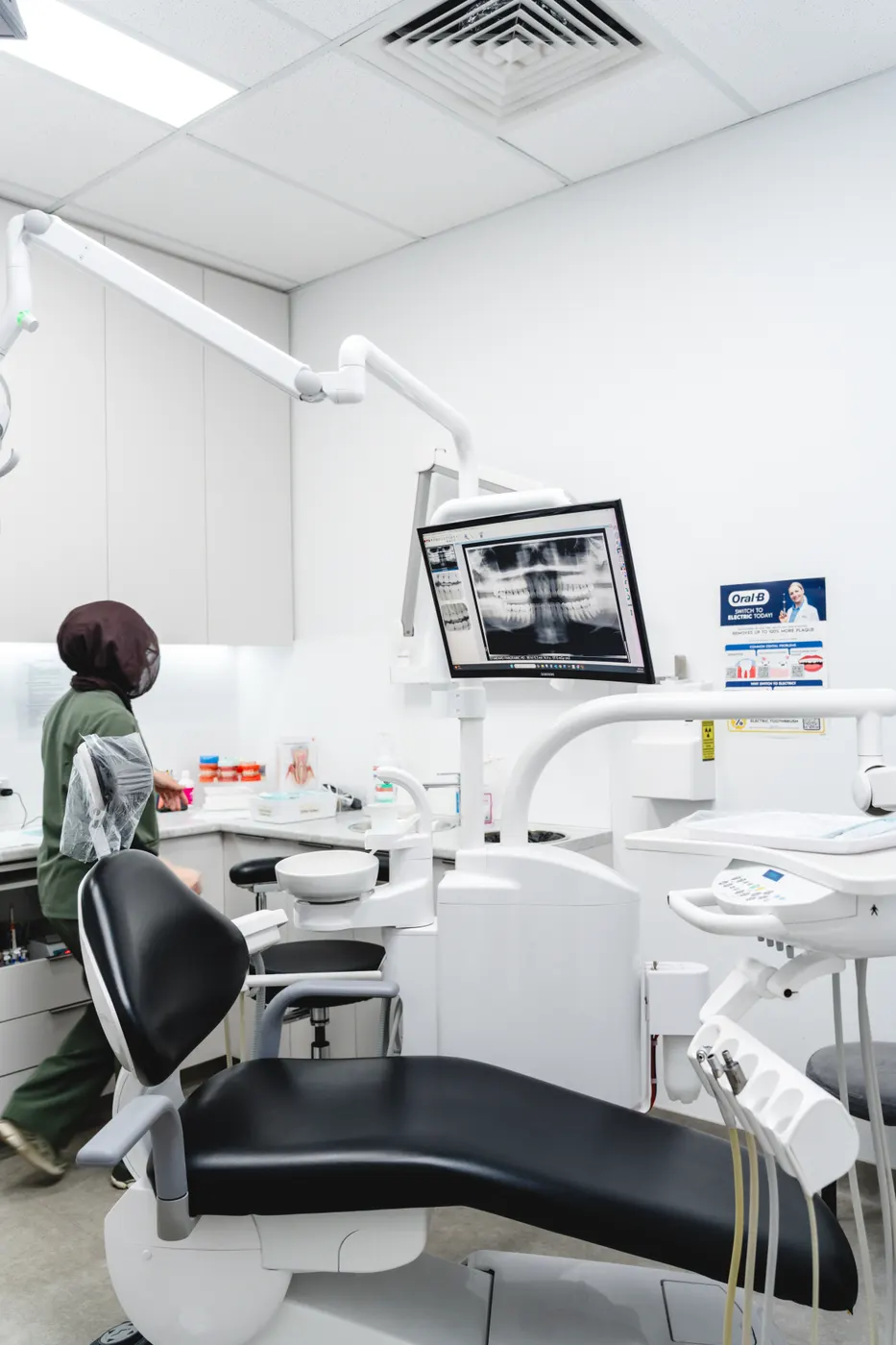
Initial consultation
The dentist performs an accurate assessment of the patient’s dental health history and medical condition using necessary X-rays and examinations.
Preparatory treatments (if required)
Such as bone grafting, tooth extractions or gum disease treatment.
Dental implant placement
After the dentist makes an incision, they carefully drill a hole in the gums and insert the implant post.
Healing
The implant needs to fuse with the jawbone and the surrounding tissue in a process called osseointegration.
Placement of abutment
An abutment is a small metal connector attached to the top of the implant post that positions and secures the artificial tooth.
Placement of artificial tooth
A tooth replacement fixture (crown, bridge or denture) is secured once the abutment is in place.
Post-op regular follow-up visits and maintenance
Your dentist checks how the implant is healing at follow-up visits, and daily brushing and flossing keep it clean.
Alternatives to pensioners’ dental implants
- Bridges: A bridge is a restoration that spans the area where one or more teeth are missing, using existing teeth (or implants) as anchors.
- Full or partial dentures: Dentures are removable false teeth used to replace missing teeth and can be either partial or complete depending on the number of teeth. We offer dentures made in our on-site lab.
- Resin-bonded bridges: Also known as a Maryland bridge, this type of bridge uses one or more artificial teeth secured to existing adjacent teeth with metal wings bonded on either side of the artificial tooth.
- Tooth-supported bridges: This type of bridge is similar to a resin-bonded bridge, except it uses existing teeth as anchors instead of metal wings bonded to adjacent teeth.
- Overdentures: An overdenture is an implant-supported denture that uses two or more implants as attachment points for a removable prosthesis, providing superior stability and retention.
Payment Options for Dental Implants
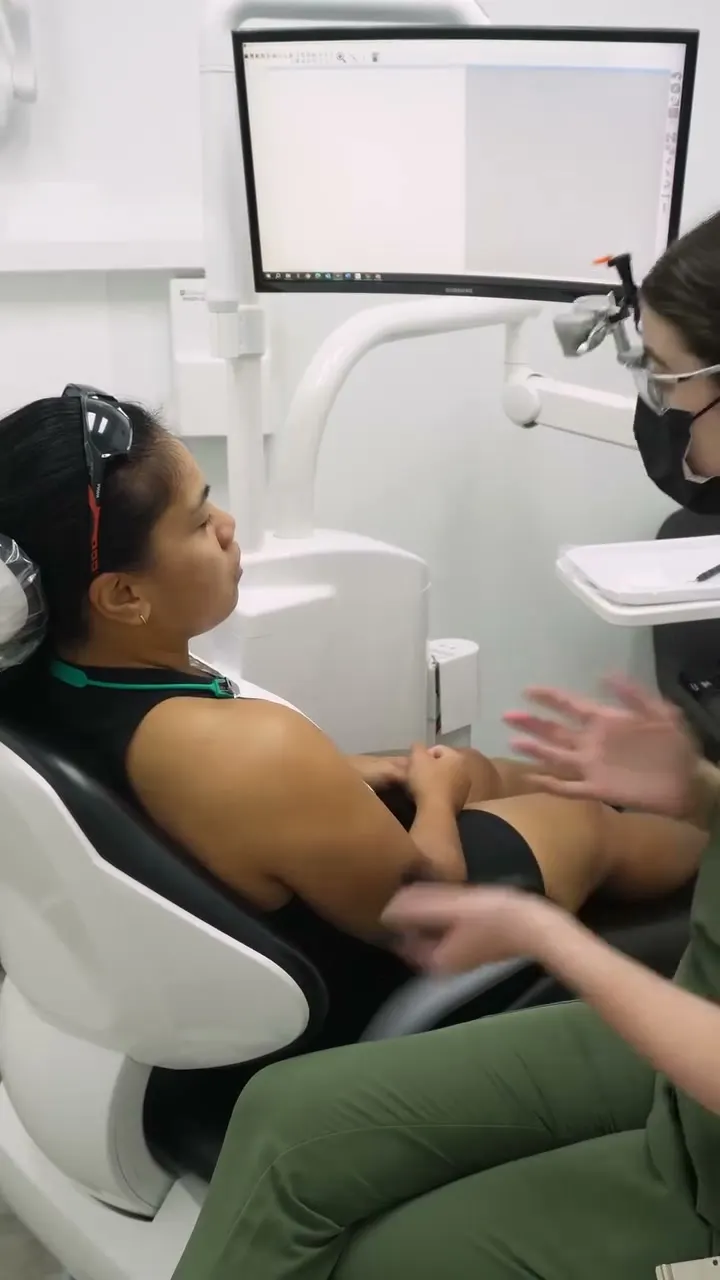
The investment in dental implants might seem steep at first sight, but for many patients the long-term benefits justify the cost. Many dentists offer payment plans that spread the cost; ask for the total and the terms.
Implants still need daily cleaning and regular check-ups, and the crown on top may need replacing over time, so count those in when you compare them with dentures or bridges.
Dental implant costs can vary depending on the type and number of implants needed and where they are placed in your mouth. While everyone should access dental implants when needed, one must not focus solely on choosing low-cost dental implants; instead, one should prioritise the reputation and experience of the clinic providing dental care. Investing in dental implants is a lifelong commitment, so it’s important to ensure you receive quality treatment from professionals with experience.
If you’re wondering if your private health insurance covers the treatment, please seek advice from your provider first.
Do implants suit older adults?
Yes, dental implants are a suitable option for the elderly. They can even benefit the overall health of older adults (another site) suffering from teeth issues due to natural ageing or dental trauma. Dental implants play an integral role in improving their quality of life as they restore their ability to speak and chew properly.
Although osteoporosis is a common problem for the elderly and can make the implant process more difficult, there are ways to ensure dental implants can be successfully placed, even in patients who have osteoporosis. Your dentist may recommend mini-implants or special techniques such as ridge augmentation to compensate for the reduced jaw density.
With dental implants for pensioners, there’s no more worrying about your teeth looking fake or feeling awkward when you talk or eat: Dental implants are designed to look and feel like a natural set of teeth. With them, there’s no need to worry about the uncomfortable embarrassment associated with having dentures. Additionally, when a missing tooth is replaced with dental implants, it helps improve overall oral health because it preserves the surrounding bone structure, which is important for maintaining healthy gums and preventing further tooth loss.
Why implants can suit retirees
- Unlike dentures or bridges, implants offer a more secure and comfortable fit.
- As opposed to dentures, dental implants are cleaned like natural teeth, with daily brushing and regular check-ups, and there is no need to soak them at night.
- Implants are an excellent way to safeguard the jawbone integrity of areas with missing teeth. By providing stimulation, these implants halt any deterioration that would otherwise occur due to lack of use.
- They also help preserve the surrounding teeth, as bridges and partial dentures require reshaping or filing adjacent teeth for support.
- Dental implants can provide a natural-looking smile that lasts many years.
- Dental implants for pensioners are also cost-effective in the long term, as they don’t require frequent replacement or repair like other alternatives do.
- Daily oral hygiene is much easier with implants than with dentures, as there are fewer crevices for bacteria to hide in. This means that the risk of tooth decay and gum disease is reduced.
- Implants provide retirees with improved chewing capacity, making it easier to enjoy a variety of foods without worrying about them slipping or moving.
Conclusion
In summary, dental implants can provide pensioners an effective way to address age-related dental issues, with risks your dentist will talk you through. They look like natural teeth, so no one needs to know you have them. They are secure and stable, so they won’t slip out of place as dentures or bridges might. Most importantly, they can reduce your risk of developing more serious oral health problems down the line.
At Dental Spot, we are committed to providing the highest standard of dental care for all patients. Our team stays updated with the most current advancements in dentistry due to close collaborations with local dental schools and students.
Sources
- Tips to Manage Dental Implants for Seniors (another site), WebMD
- Benefits of Dental Implants, Drawbacks, and Candidates (another site), Healthline
- Dental Implants: What You Should Know (another site), US Food and Drug Administration
This guide is general information, not advice about your own teeth. Your dentist can tell you what applies to you, including the risks of any treatment.
Any surgical or invasive procedure carries risks. Before proceeding, you should seek a second opinion from an appropriately qualified health practitioner.