Do Dental Implants Hurt? During and After
The short answer.
The surgery is done under local anaesthetic, so you should feel pressure but not pain; tell your dentist if you feel discomfort. Some soreness, bruising or swelling afterwards is normal and can usually be managed with over-the-counter pain relief.
Do dental implants hurt? The implant goes in under local anaesthetic, so you feel pressure rather than sharp pain. Afterwards, most people are sore and a little swollen for a few days, and over-the-counter pain relief usually manages it.
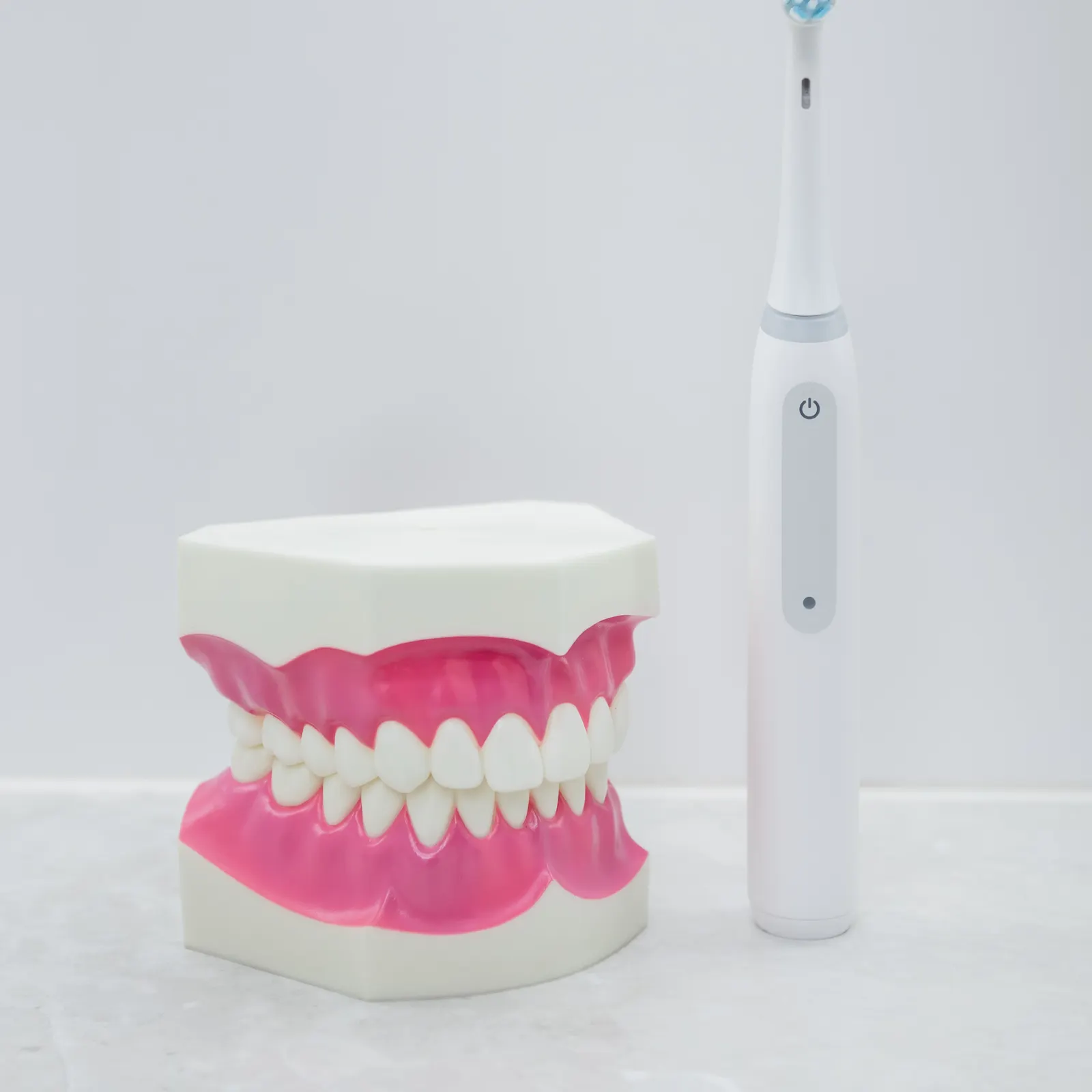
A dental implant is a titanium post placed in the jawbone to replace a tooth’s root. Titanium is biocompatible, so the implant joins with the bone over a few months and can then hold a replacement tooth or bridge for many years.
Does a Tooth Implant Hurt During Surgery?
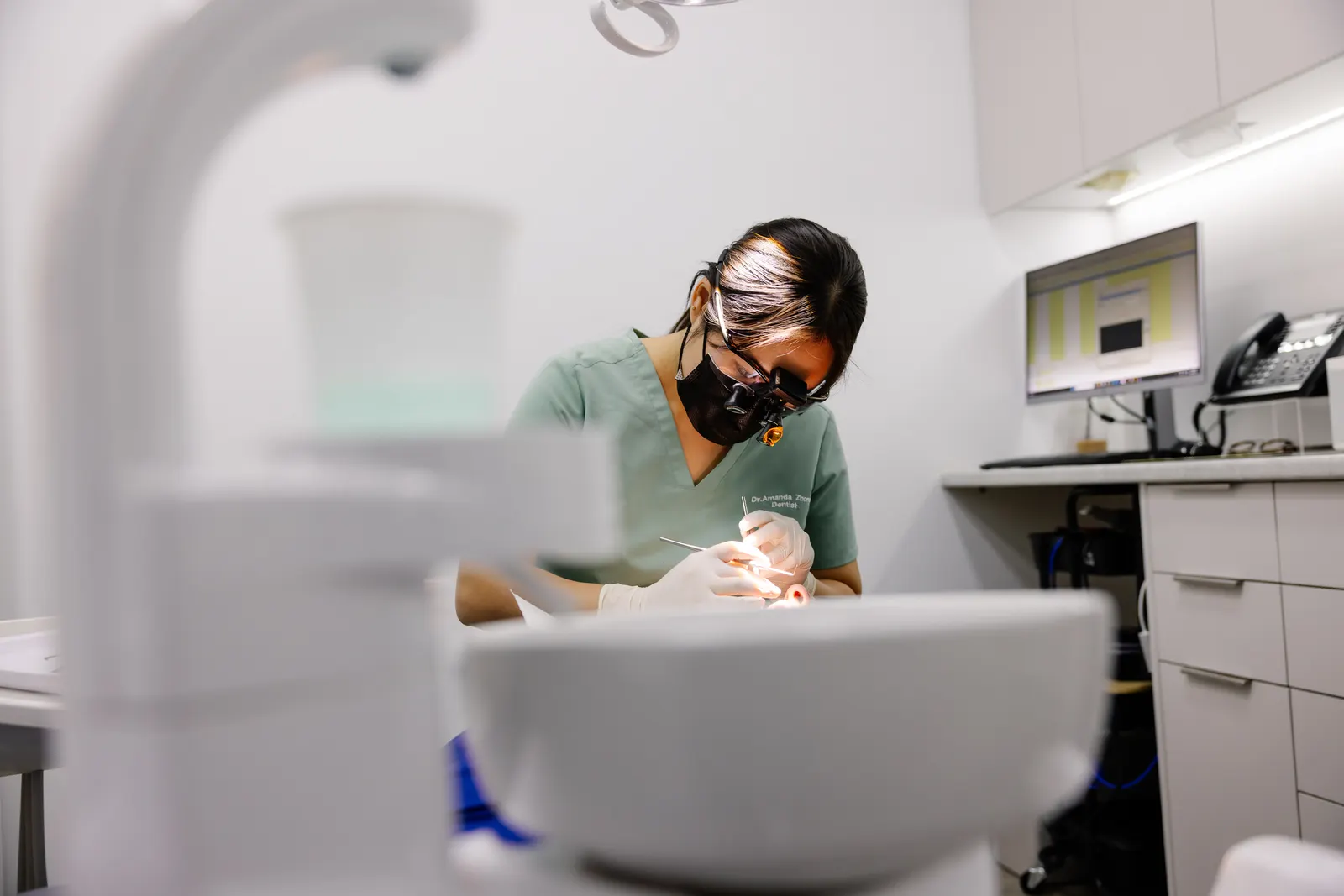
Before beginning the dental implant procedure, your dentist applies a numbing gel to the affected site and injects a local anaesthetic to numb the area.
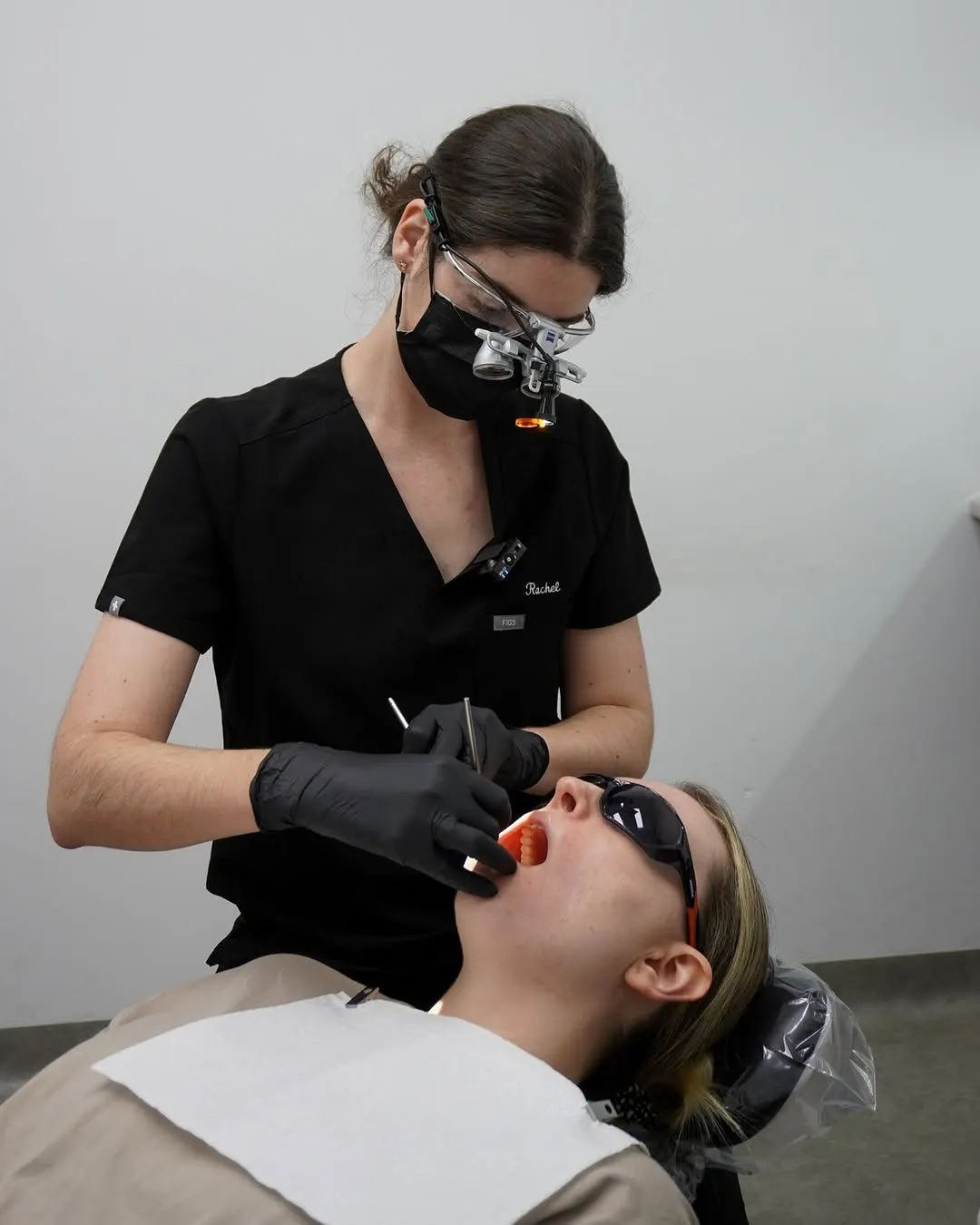
Once the tissue is numb, your dentist will make a small incision in the gums to expose the bone. Then, using a purpose-made drill, they create a hole in the bone for the titanium implant post. As the implant is screwed into the prepared hole, you may feel some pressure, but you shouldn’t feel any pain. If you feel any discomfort, communicate with your dentist, and they can administer additional anaesthesia.
Once the implant post is in place, the gums will be sutured closed.
If you’re anxious about treatment, ask about sedation options for nervous patients.
Does a Tooth Implant Hurt Afterwards?
It’s natural to feel some apprehension before having surgery, but it’s important to know that dental implant procedures are common and well established, although, like any surgery, they carry risks. A 2019 review of studies that followed implants for ten years found about 96 in 100 were still in place (another site) (Howe, Keys and Richards, Journal of Dentistry, 2019). Discomfort after the procedure varies from person to person, and your dentist will advise on pain relief.
Dental Implant Surgery Aftercare
It is normal to experience some soreness, bruising, or swelling after a dental implant procedure. Over-the-counter pain relief such as paracetamol or ibuprofen usually manages it; your dentist will tell you which suits you.
If you’re one of the few dental implant patients that feels significant pain or discomfort from the surgery, your dentist may prescribe a stronger pain reliever as you recover.
Applying ice to the area intermittently for 15 minutes on and off can also help reduce swelling. Ensure you place a towel between the ice pack and your skin to prevent irritation.
Rinse your mouth with a solution made with 1 cup of warm water and 1 teaspoon of table salt. The saline solution can eliminate bacteria and prevent infection and inflammation that can cause dental implant pain.
As your mouth heals, you’ll want to stick to soft foods and take care not to damage your sutures. Avoiding crunchy or chewy foods will ensure that your stitches stay in place and that your implant heals properly. Once your implant has healed, you’ll be able to enjoy all your favourite foods again without any restrictions.
Soreness and swelling usually last a few days. The implant then takes a few months to join with the bone before the final tooth goes on, and longer if you need a bone graft first.
What If My Implant Hurts?
If you’ve recently had a tooth implant, it’s normal to feel discomfort and soreness in the gums and surrounding area. However, if the pain is severe or lasts for more than a few days, it could be a sign of a problem.
Possible causes of dental implant pain include postoperative complications such as peri-implantitis (another site) (inflammation of the tissue around the implant) or implant rejection.
Talk to Us
If you’re considering dental implants, start with a consultation. Your dentist examines your teeth and gums, takes X-rays and scans to check whether an implant suits you (another site), and answers your questions about the surgery and the soreness afterwards.
At Dental Spot in Croydon, your dentist places the implant and our lab upstairs makes the crown. It usually takes a few months from start to finish, and you get an itemised written quote before anything starts. Read about dental implants at Dental Spot.
Sources
- Peri-Implantitis (another site), Journal of Periodontology, 2018
- Dental Implants: A Review (another site), Morphologie, 2016
- Dental Implants (another site), Dental Clinics of North America, 2017
- Dental Implant Failure Rate and Associated Risk Factors (another site), International Journal of Oral & Maxillofacial Implants, 2005
- Analgesics for Dental Implants: A Systematic Review (another site), Frontiers in Pharmacology, 2020
- Post-Operative Pain Management in Dental Implant Surgery: A Systematic Review (another site), Clinical Oral Investigations, 2021
- Long-term (10-year) dental implant survival: a systematic review and sensitivity meta-analysis (another site), Journal of Dentistry, 2019
- Dental implant procedure (another site), healthdirect
This guide is general information, not advice about your own teeth. Your dentist can tell you what applies to you, including the risks of any treatment.
Any surgical or invasive procedure carries risks. Before proceeding, you should seek a second opinion from an appropriately qualified health practitioner.