Veneers vs Crowns: What's the Difference?
The short answer.
Veneers cover the front of teeth with minor cosmetic problems such as stains, chips or small gaps, and can't be undone. Crowns cover the whole tooth and suit teeth that are badly damaged, decayed, worn or root-canal treated.
If you’re wondering how to improve the appearance of your smile, there are two options for enhancement: dental veneers and dental crowns. Both veneers and crowns provide aesthetically pleasing results, but they differ in many ways. Choosing the right option for you depends on your budget, your oral health, and how much time you’re willing to invest in getting the restoration.
Since both are irreversible, you must choose carefully as you must maintain either option to ensure its longevity. By taking the time to compare veneers vs crowns, you can make an informed decision about cosmetic dentistry. Results vary from person to person. Read the risks below before you decide.
Choosing a Dental Restoration: Veneers vs Crowns
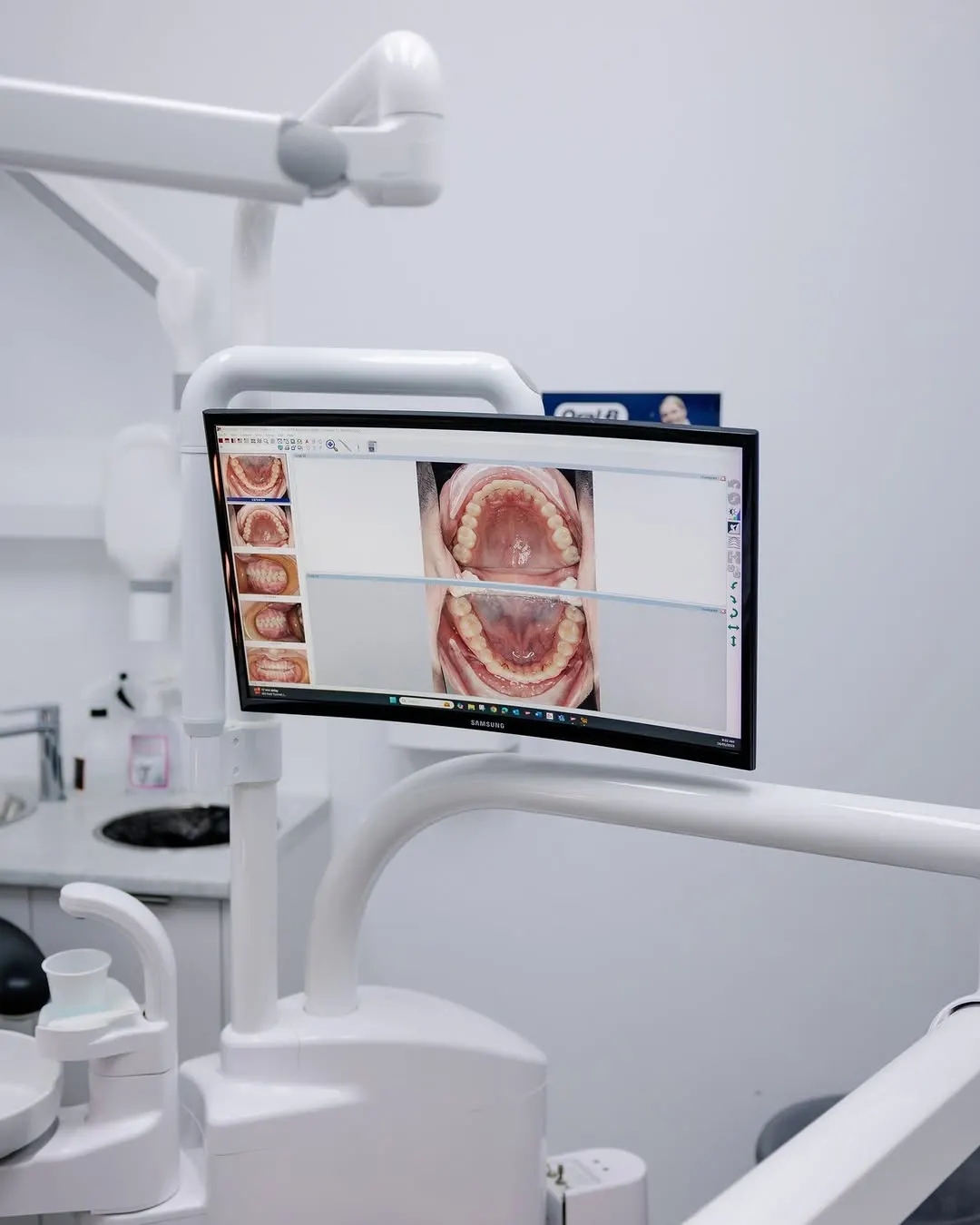
Dental crowns and dental veneers both last many years with proper care and diligent oral hygiene, but the process of getting each differs.
Dental Veneers
Veneers are applied to the surface of your teeth using a thin layer of porcelain (another site). Veneers can be used to conceal discolourations deep within the dentin of your teeth and are resistant to teeth whitening. Dental veneers can also improve the appearance of chipped, misshapen, or gapped teeth.
Dental veneers are less invasive than crowns because just a tiny portion of the tooth is removed to place the veneer. Dentists typically only scrape away a thin layer of tooth enamel from the front of a tooth and don’t treat the root or back of the tooth. Veneers match your natural teeth in colour and shape.
Dental Crowns
Dental crowns are caps that your dentist puts over a tooth or dental implant. They look and function like a natural tooth, but they are usually made from porcelain, ceramic or metal.
Different situations require different types of dental crowns. Dentists use crowns after a tooth sustains extensive damage where treatments, such as fillings, don’t provide enough durability to restore the tooth’s integrity. Crowns are often used as part of a more extensive procedure like dental implant surgery. Dental crowns can hide damaged or discoloured teeth or improve a smile’s appearance.
Choose Dental Veneers for Cosmetic Reasons

If you have minimal cosmetic problems with your teeth, dental veneers are an ideal solution. Dental veneers can hide discolouration, cover cracks, frayed edges on teeth, small gaps between teeth, and fix superficial misalignments.
Most porcelain veneers last many years, but not for life. A 2016 review of 13 studies found about 89 in 100 porcelain veneers were still in place after a median of nine years (Morimoto and others, International Journal of Prosthodontics, 2016). Keep in mind they are irreversible and should not be chosen as temporary cosmetic solutions.
Veneer Risks
- It can’t be undone: enamel removed for a veneer doesn’t grow back, so the tooth will always need a veneer or a crown.
- Sensitive teeth: common for a few days to weeks after the enamel is prepared.
- Chips, cracks or a veneer coming off: more likely if you grind your teeth or bite hard things like ice or pens.
- Colour that doesn’t change: veneers don’t whiten, so your other teeth may stop matching them over time.
- Gum and decay problems: the edges of a veneer need cleaning like any tooth, or the gum can get inflamed and the tooth can decay.
Choose Dental Crowns for Damaged Teeth
A dental crown is preferable to a veneer for teeth with serious damage, such as those that have been severely fractured or decayed (another site) and those requiring a root canal. Once the crown is secure, it becomes the external surface of the tooth surrounding the original. This layer of protection prevents any further damage to the natural tooth. Dental crowns are also more suitable than dental veneers when teeth are weakened by grinding. Veneers cover only the front of a tooth, not the sides. Worn down teeth usually need crowns to improve their appearance. If your teeth are damaged, dental crowns can help improve their colour and shape significantly.
Veneers vs Crowns: Which Is Right?
Ultimately, the right choice for you is the one that fits the state of your teeth.
Porcelain veneers and crowns compared
| Option | What it changes | Tooth removed | Visits | Can it be undone |
|---|---|---|---|---|
| Porcelain veneer | Shape and colour of the front of the tooth | A thin layer of enamel | At least two | No |
| Crown | The whole tooth, for broken or heavily filled teeth | More than a veneer | Two or more | No |
Dental veneers or dental crowns are stain-resistant, but they will become discoloured if not properly brushed and flossed. These types of restorations can’t be whitened or bleached, so you have to practise good oral hygiene and eat right. If you intend to whiten your natural teeth professionally, do so before having a crown or veneer put in so that the artificial restoration’s colour matches your newly whitened teeth.
It is also important not to chew on hard objects while you wear crowns or veneers because this will shorten their longevity and potentially cause irreparable damage.
Talk to Us
Our dentists provide both veneers and crowns, and can tell you which suits your teeth.
This guide is general information, not advice about your own teeth. Your dentist can tell you what applies to you, including the risks of any treatment.
Any surgical or invasive procedure carries risks. Before proceeding, you should seek a second opinion from an appropriately qualified health practitioner.