Bad Breath: What Causes It and How to Fix It
The short answer.
Bad breath usually comes from bacteria left by poor oral hygiene, but gum disease, decay, dry mouth, diet, smoking or medical conditions can also cause it. Brush twice a day, floss, clean your tongue, and see your dentist if it persists.
Bad breath, medically known as halitosis, refers to an unpleasant odour coming from the mouth that doesn’t go away easily, even with brushing, flossing, or mouthwash. It’s one of the most common reasons patients visit their dentist, especially when it becomes persistent.
From a clinical perspective, halitosis often stems from poor oral hygiene, which allows food particles and bacteria to accumulate on the tongue, teeth, and gums. These bacteria break down proteins and produce volatile sulphur compounds (VSCs) (another site), which are responsible for that characteristic foul smell.
But oral hygiene isn’t the only culprit. The cause of halitosis can vary: untreated tooth decay, gum disease, dry mouth, or even underlying medical conditions like sinus infections or reflux. Identifying the right cause is key to creating an effective treatment plan.
At Dental Spot, we take a comprehensive approach to diagnosing and treating bad breath, helping you achieve lasting freshness and better overall oral health.
Common Causes of Bad Breath
Understanding the most frequent causes of bad breath can help you take proactive steps towards prevention and treatment. While occasional bad breath is often caused by something you ate, persistent halitosis usually points to an underlying issue. Below are the most common reasons for bad breath:
Poor Oral Hygiene
The most common trigger for bad breath is inadequate oral hygiene. When you don’t brush and floss regularly, plaque, food particles, and bacteria accumulate between the teeth and on the tongue. These bacteria produce odour-causing compounds that lead to unpleasant breath. Brushing your teeth twice daily, cleaning your tongue, and flossing are essential to keeping your mouth fresh and clean.
Gum Disease or Tooth Decay
Advanced gum disease (periodontitis) and untreated tooth decay are significant contributors to chronic halitosis. These conditions create pockets where bacteria thrive, producing persistent odours that are difficult to manage on your own. Visit a dentist for regular check-ups and cleaning to prevent or catch and treat these issues early.
Dry Mouth (Xerostomia)
Saliva plays an important role in rinsing away food debris and neutralising acids in the mouth. When you suffer from dry mouth, also known as xerostomia (another site), saliva production is reduced, allowing odour-causing bacteria to build up more easily. Such a condition can be caused by certain medications, mouth breathing, or underlying health issues.
Diet and Smoking
Certain foods and habits can also lead to temporary or existing bad breath. Strong-smelling ingredients like garlic, onions, and spices can linger in the mouth and bloodstream. Beverages such as coffee and alcohol have drying effects, while smoking and tobacco use not only cause a foul odour but also increase your risk of gum disease, a common cause of halitosis.
Medical Conditions
Sometimes, the source of bad breath lies beyond the mouth. Diseases that cause bad breath include:
- Diabetes (linked with a fruity or acetone-like odour)
- Sinus infections or post-nasal drip
- Gastroesophageal reflux disease (GERD)
- Liver or kidney disorders (in rare cases)
If your bad breath persists despite good oral hygiene, it’s worth investigating potential medical causes with your general practitioner or dentist.
How to Get Rid of Bad Breath

Tackling persistent halitosis requires more than just mints and mouthwash. To achieve lasting freshness, it’s important to treat the root cause. Below are effective steps you can take if you’re wondering how to get rid of bad breath.
Improve Oral Hygiene Habits
Good oral hygiene is your first line of defence. Brush your teeth at least twice a day, floss daily, and don’t forget to clean your tongue, a major hiding spot for odour-causing bacteria. Consistent daily care helps remove food particles and plaque, reducing the chances of bad breath returning.
Regular Dental Visits
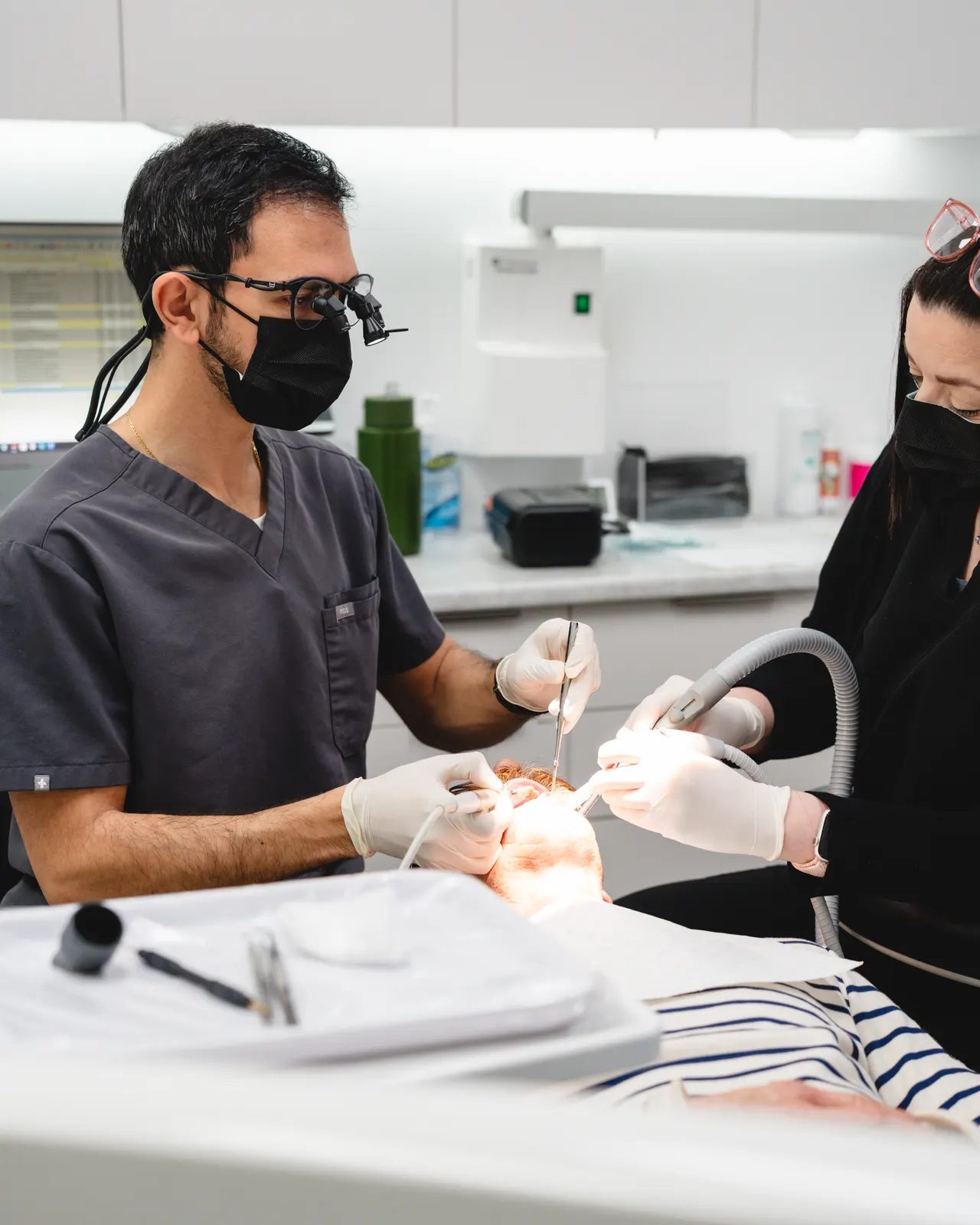
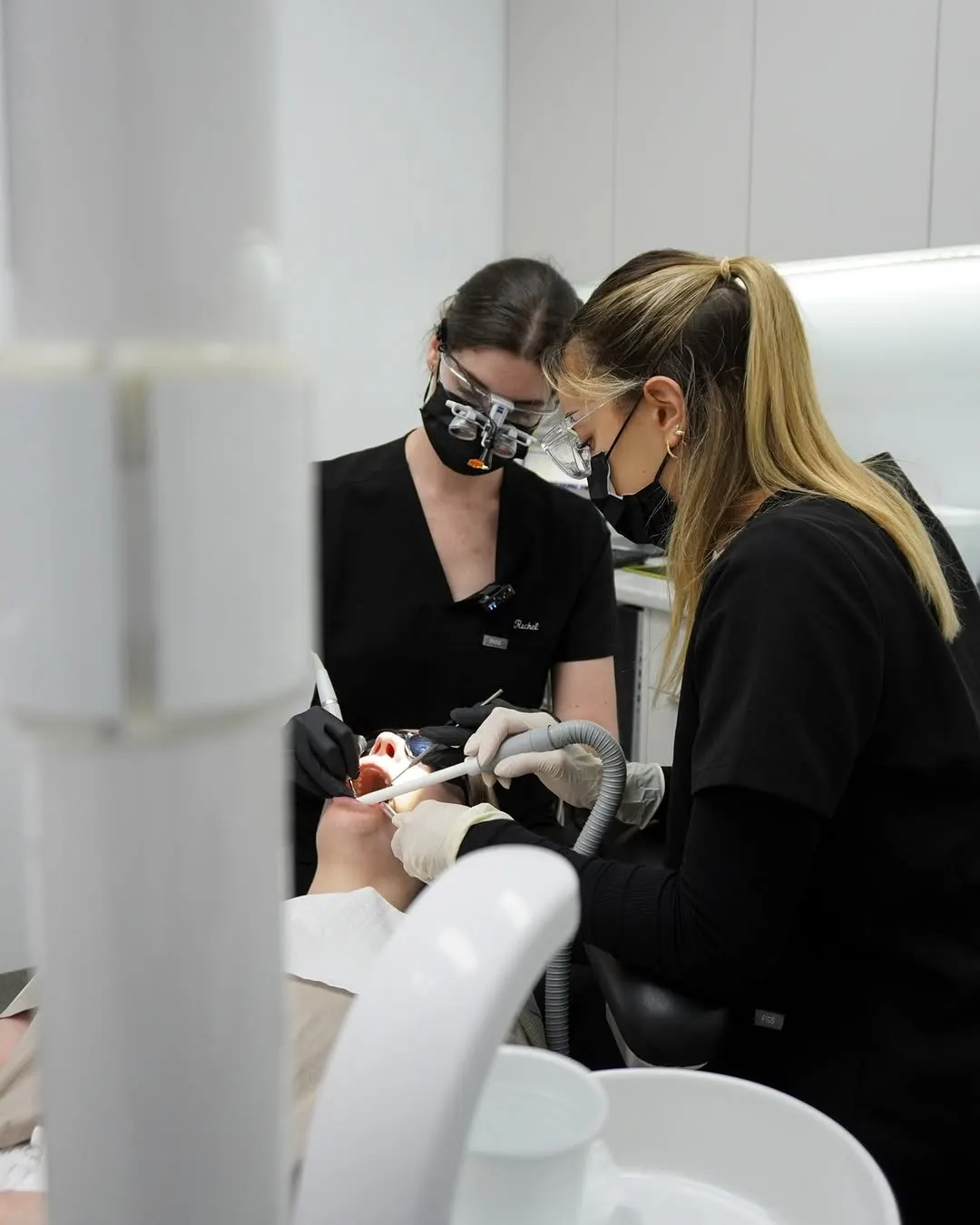
Routine dental check-ups are essential for preventing and treating the causes of halitosis. Your dentist can detect early signs of gum disease or decay and provide a professional check-up and clean to remove stubborn plaque and tartar.
Treat Underlying Conditions
If brushing and flossing aren’t enough, the cause of your halitosis may lie deeper. Treating gum disease, tooth decay, or dry mouth can significantly reduce odours. At Dental Spot, we provide tailored bad breath treatment plans that address these issues directly.
Whether you’re looking for a bad breath cure or wondering how to stop bad breath, our dentists will help find the most effective solution.
Home Remedies vs. Professional Care
When dealing with persistent bad breath, it’s tempting to reach for a quick fix: mouthwash, chewing gum or mints. While these may provide short-term relief, they only mask the symptoms rather than address the underlying issue.
Home remedies can be helpful for managing occasional odour, especially after eating strongly flavoured foods. Drinking water regularly, chewing sugarless gum, and using antibacterial mouthwashes may offer a basic remedy for halitosis. However, if the problem continues, it’s time to look deeper.
At Dental Spot, we focus on long-term solutions. Our team doesn’t just cover up bad breath, we identify and treat its root cause, whether it’s gum disease, tooth decay or another hidden factor.
Professional care helps keep your breath fresh and your oral health in good condition.
When to See a Dentist
Persistent bad breath is often a sign of something more serious, and early diagnosis is key. Our team can assess your condition at a check-up and clean, provide effective treatment, and help you manage it for the long term.
Bad breath doesn’t have to be embarrassing or permanent. At Dental Spot, our team of dentists will help you identify and treat the cause of your halitosis with care, experience, and a personalised treatment plan.
This guide is general information, not advice about your own teeth. Your dentist can tell you what applies to you, including the risks of any treatment.