
Dental implants in Croydon.
Your implant crown is made in our own lab upstairs. An implant is a small post in the jaw that replaces a tooth’s root and holds a crown, a bridge or a denture. You get an itemised written quote before anything starts.
Open Monday to Saturday
The short answer.
- What it is
- A small post, usually titanium, placed in the jawbone. Once it has healed in, it holds a crown, a bridge or a denture.
- Who places it
- One of our dentists or a surgeon we refer you to, and we tell you who at your assessment. All-on-4 surgery is referred.
- What it costs
- Fees depend on the treatment you need, so we give you an accurate quote at your consultation, before anything starts.
- How long it takes
- Usually a few months from placing the implant to fitting the final tooth. Longer if you need a bone graft first.
- Does it hurt
- It goes in under local anaesthetic, so you feel pressure rather than sharp pain. Most people are sore and a little swollen for a few days afterwards.
Which option fits your gap?
It depends on how many teeth are missing, where, and what you want to be able to take out.
One tooth
A single implant
One implant holds one crown. The teeth either side are left alone.A few teeth in a row
An implant bridge
Two or more implants hold a row of teeth, so you don’t need an implant for every gap.Crowns and bridgesA loose denture
An implant denture
A denture that clips onto two or more implants, so it moves much less when you eat and talk. You still take it out to clean and at night.Implant-retained denturesA whole arch
All-on-4
A fixed row of teeth on four to six implants. The surgery is done by a surgeon we refer you to. Most people have temporary teeth first and their final teeth a few months later.How All-on-4 works
Implant, bridge or denture?
All three fill a gap. They differ in surgery, upkeep and what happens to the bone underneath.
| Implant | Bridge | Denture | |
|---|---|---|---|
| How it stays in | A post in the jaw holds the new tooth. It stays in. | A false tooth joined to crowns on the teeth either side. It stays in. | A plate with false teeth that rests on the gums. You take it out. |
| Surgery | Yes, a minor operation under local anaesthetic. | No, but the teeth either side are shaped for crowns. | No. |
| Time to finish | Usually a few months. | Usually two or more visits. | Usually a few visits to measure, try and fit. |
| Looking after it | Brush and clean around it like a tooth. Regular check-ups. | Clean under it with floss threaders or small brushes. | Take it out to clean every day. It needs relining as your gums change. |
| The bone under the gap | The post takes the place of the root. | Nothing replaces the root, so the bone can slowly shrink. | Nothing replaces the root, so the bone can slowly shrink. |
| Cost up front | The most. | Less than an implant. | The least. |
We make dentures and fit bridges as well as implants, so we’ll talk you through which suits your mouth and your budget.
Before and after.
Before and after treatment at Dental Spot.
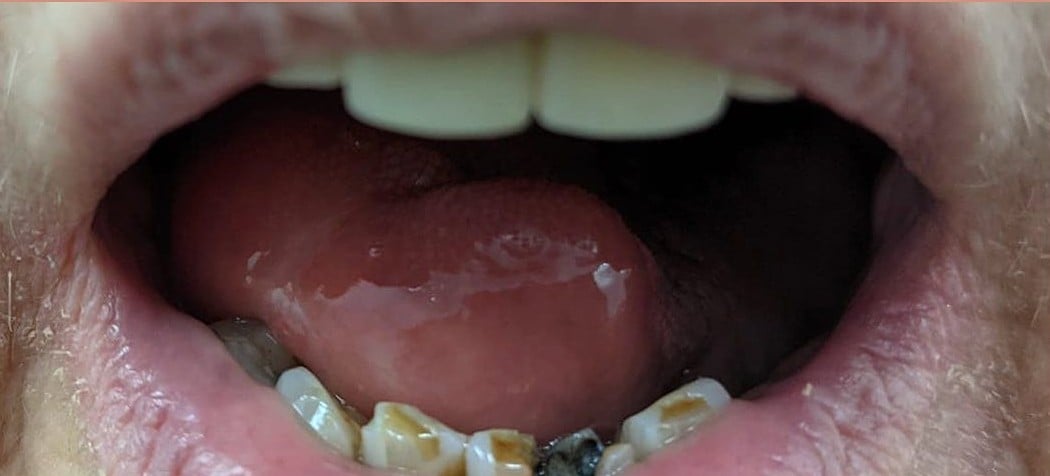
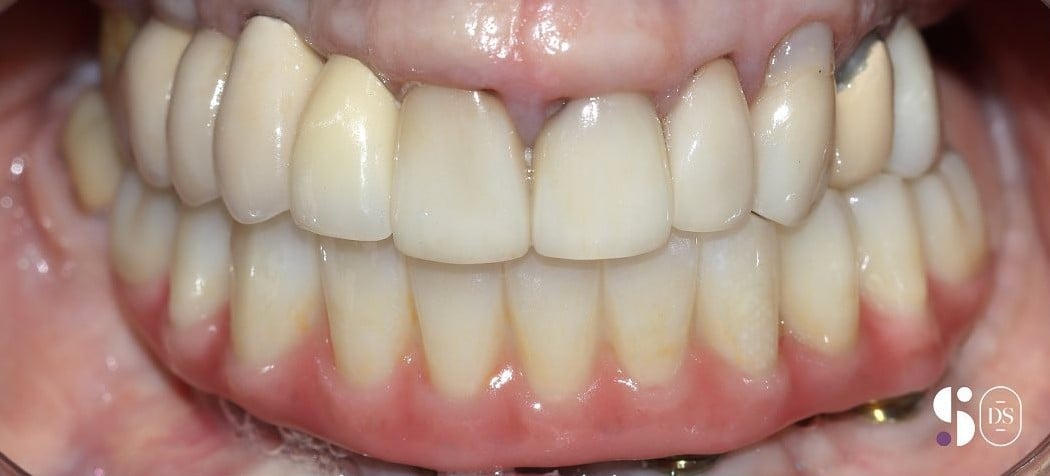
Individual results vary. Your dentist can discuss what’s appropriate for you.
View the galleryAm I suitable?
Most adults with healthy gums and enough bone can have an implant. These are the things we check first.
Usually not a barrier
- Your age. Health and bone matter more than birthdays.
- A tooth that was lost years ago, if there is still enough bone or a graft can add it.
- Wearing a denture now. Implants can make it hold firm.
Talk to us first if you
- Smoke. It slows healing and raises the risk of the implant failing.
- Have diabetes that isn’t well controlled.
- Have gum disease. We treat it before anything else.
- Take medicines that affect your bones, or have had radiotherapy to the jaw.
- Grind or clench your teeth.
Planned before
anything starts.
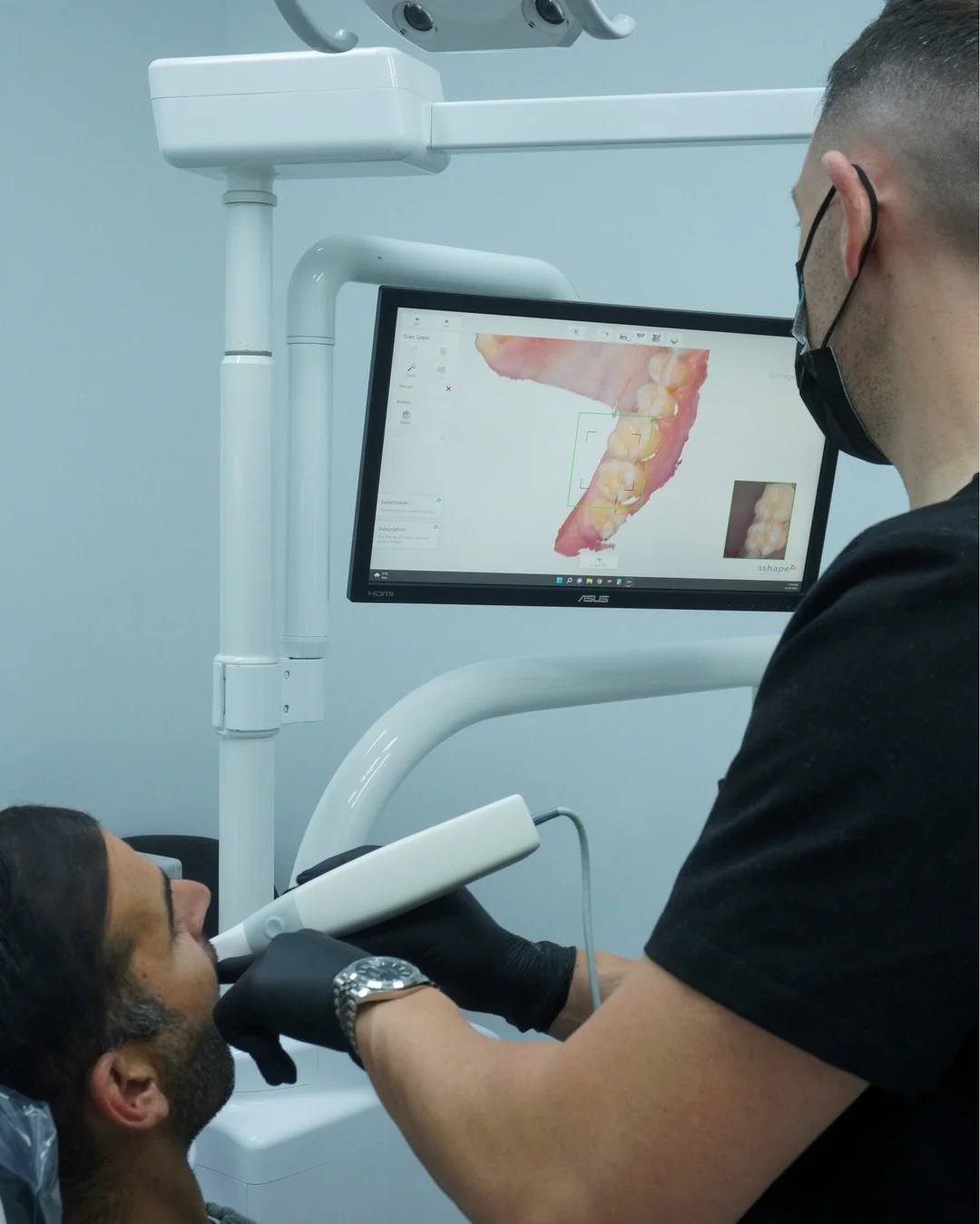
Your implant is planned from X-rays or a CT scan of the bone and a digital scan of your teeth, and you see the plan before you decide.
- A digital scan of your teeth in place of impression trays.
- Your implant crown designed and made in our own lab upstairs.
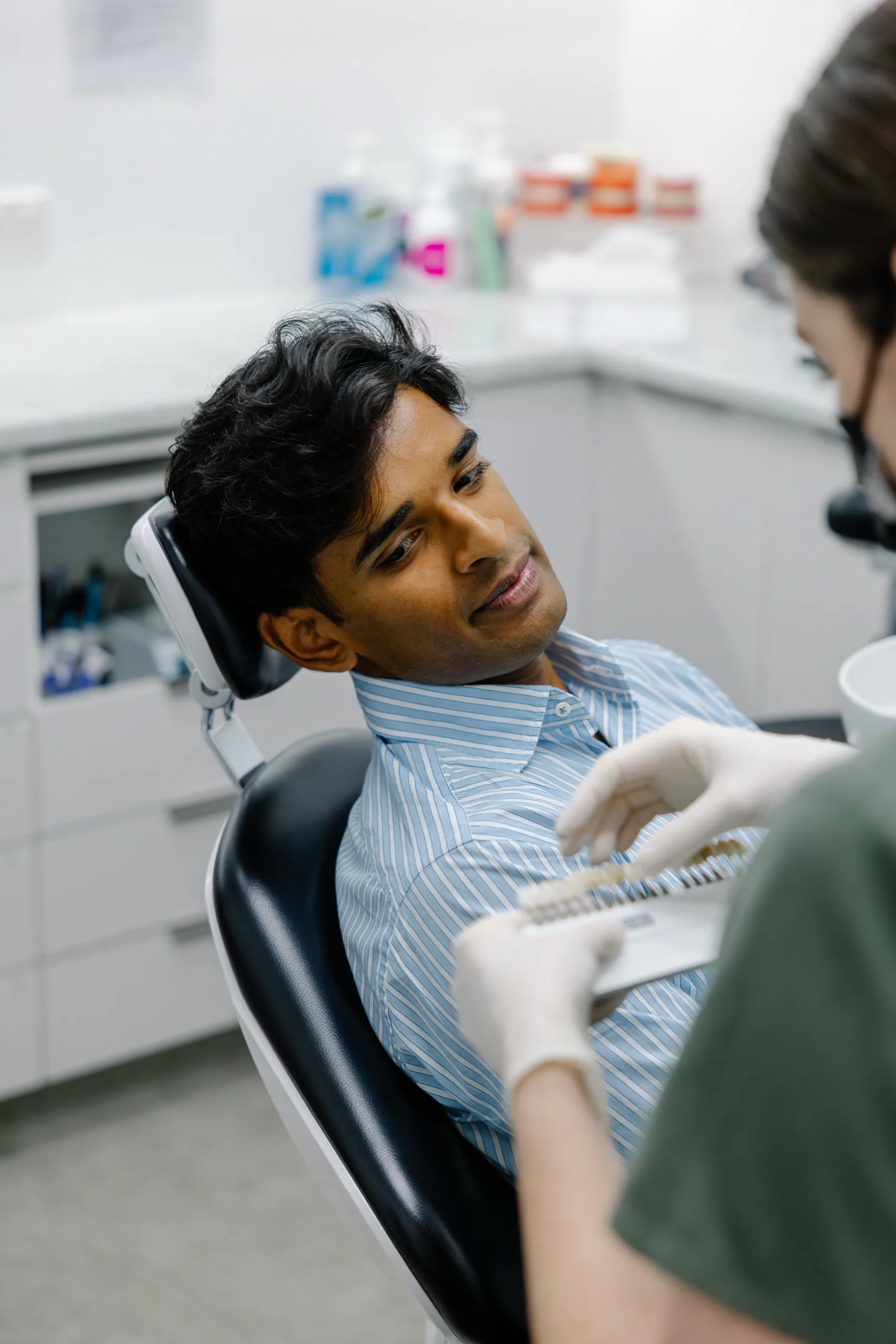
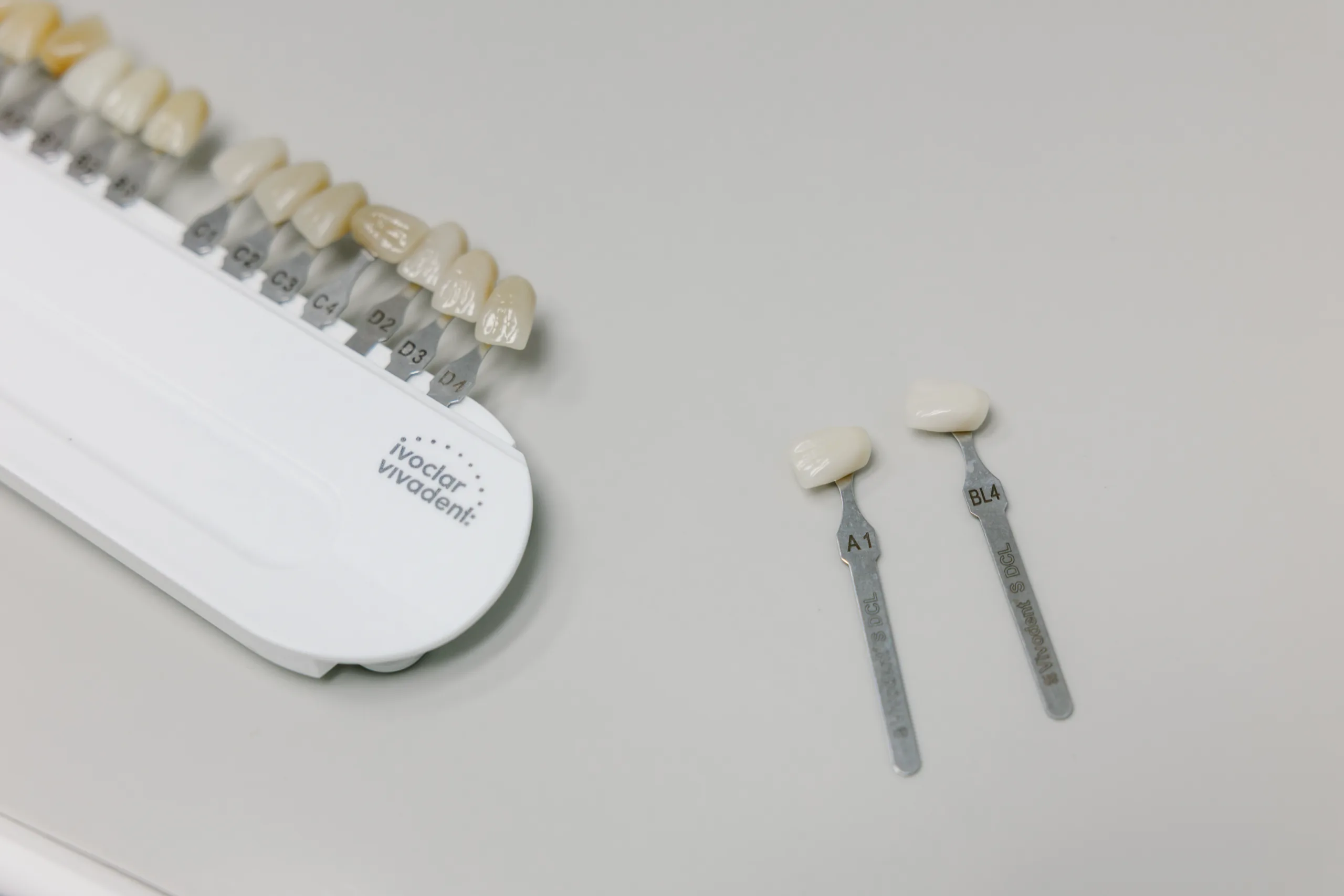
- The shade matched to your other teeth, with you in the chair.
What will it cost?
Fees depend on the treatment you need, so we give you an accurate quote at your consultation, before anything starts. Every implant quote is itemised; this is what each price includes, and what can change it.
| Treatment | What the price includes |
|---|---|
| Single implant | The implant, the abutment that joins it to the tooth, and the crown. |
| Implant bridge | Two or more implants and the row of teeth they hold. |
| Implant denture | Two or more implants and a denture that clips onto them. |
| All-on-4 | Four to six implants and a fixed row of teeth, per arch. The surgery is done by a surgeon we refer you to, so your quote covers each part. |
| Consultation and scans | The exam, X-rays, scans and your written quote. |
What can change the price
- A bone graft or sinus lift, if there isn’t enough bone.
- Taking out a tooth first.
- A temporary tooth while you heal.
- Sedation, if you’d like it.
Medicare and health funds
Medicare doesn’t pay for implants for most adults. If your extras cover includes major dental, your fund may pay part, up to your annual limit.
Ask us for the item numbers on your quote and check with your fund before you start.
Paying for it
We take credit cards, EFTPOS and direct transfer, and you can claim on the spot through HICAPS.
From first visit
to final tooth.
Every case is different, but most follow these steps. We’ll talk you through your own timeline at your consultation.
Consultation and scans
One visit
We check your teeth, gums and general health, take X-rays (and a CT scan if you need one) and a digital scan of your teeth, then talk through your options. You leave with a written quote.Removal or bone graft, if needed
Only if you need it
If a tooth has to come out or there isn’t enough bone, that comes first. Some people need a few months of healing before the implant goes in.Placing the implant
One visit
Under local anaesthetic, your dentist places the implant in the jaw and closes the gum over or around it. You may go home with a temporary tooth.Healing
Usually a few months
The implant joins with the bone. You eat softer food at first and come back so we can check how it’s healing.Making your tooth
We scan the implant, and our lab makes the crown to match your other teeth.Fitting and check-ups
One visit, then your usual check-ups
The new tooth goes on and we check your bite. From then on, an implant needs the same cleaning and check-ups as your own teeth.
Pain, recovery and risks.
Like any dental treatment, this carries risks, and results vary from person to person. Read the risks below and ask us about your situation before you decide.
What can go wrong.
Infection
Around the implant soon after surgery. It is usually treated with cleaning and sometimes antibiotics.
The implant doesn’t take
Sometimes the bone doesn’t join with the implant. It is taken out and, once the area has healed, can often be tried again.
Nerve injury
In the lower jaw, an implant near a nerve can cause tingling or numbness in the lip, chin or tongue. It usually settles, but it can be permanent.
Sinus problems
In the upper back jaw, an implant can reach into the sinus. A CT scan shows how much bone there is, and sometimes a sinus lift is needed first.
Gum problems later
Inflamed gum around an implant, years on, can loosen it. Cleaning at home and regular check-ups lower the risk.
Repairs
Crowns can chip and screws can loosen. Repairs cost extra.
Recovery.
Soreness and swelling for a few days
Sometimes a bruise too. Your dentist will tell you which pain relief to take.
Soft food at first
Chew on the other side until the area settles.
No smoking while you heal
Smoking slows healing and raises the risk of the implant failing.
Keep the area clean
We’ll show you how.
Call us if it gets worse
Call (02) 9715 6567 if pain gets worse after a few days, or if bleeding or swelling won’t settle.
Call us if something changes later
An implant that feels loose, sore or bleeding gum around it, or a chipped crown. Problems found early are easier to fix, and we’re here in Croydon for your check-ups.
Comparing an overseas quote?
Implants overseas can cost less up front.
Before you book, the Australian Government’s Smartraveller site suggests you check:
- that the dentist is registered with the local authority and has indemnity insurance
- whether your travel insurance covers complications
- what the quote includes: scans, the crown, follow-up visits and fixing problems
- that you bring home copies of your X-rays and the implant’s brand and size, so a dentist here can look after it.
Who you’ll see.
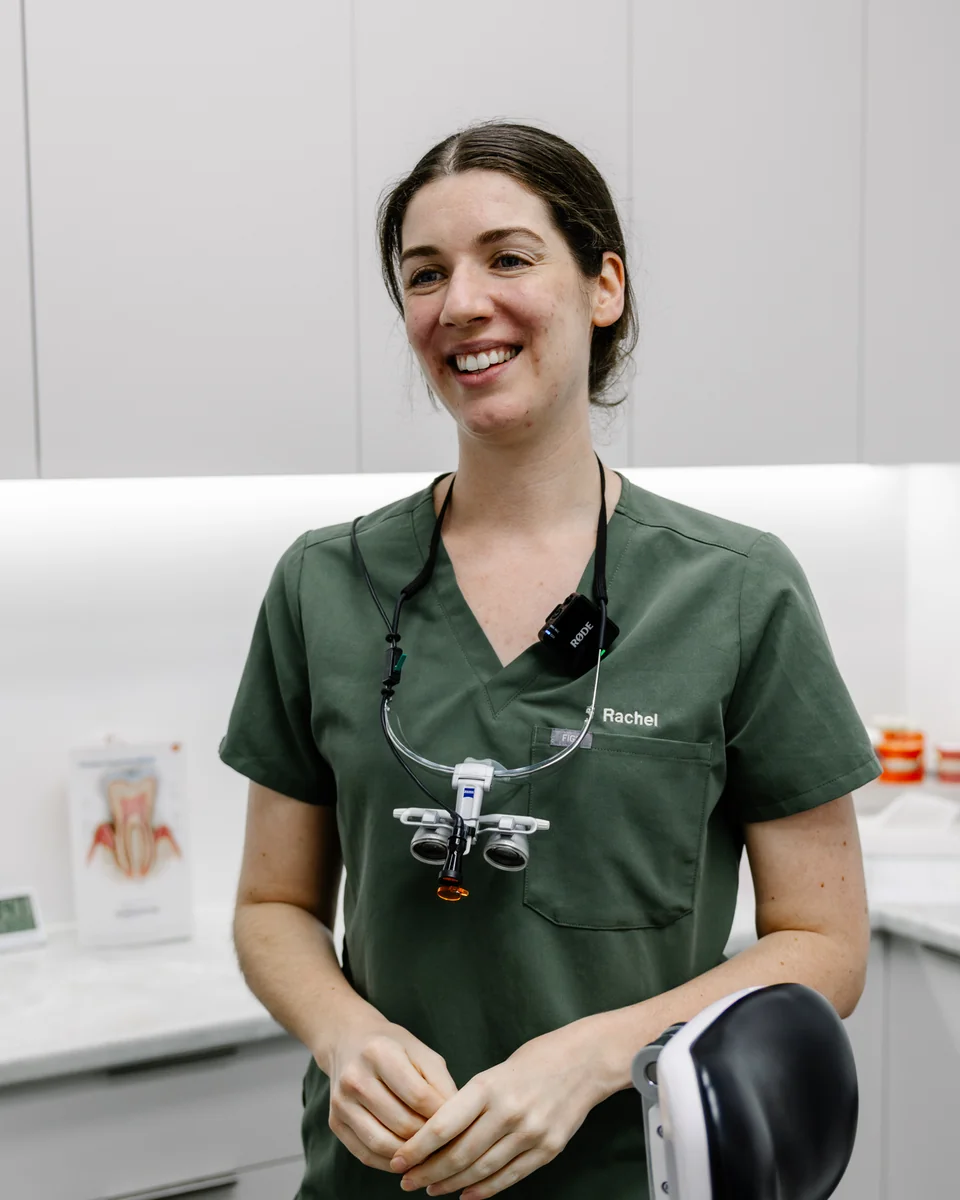
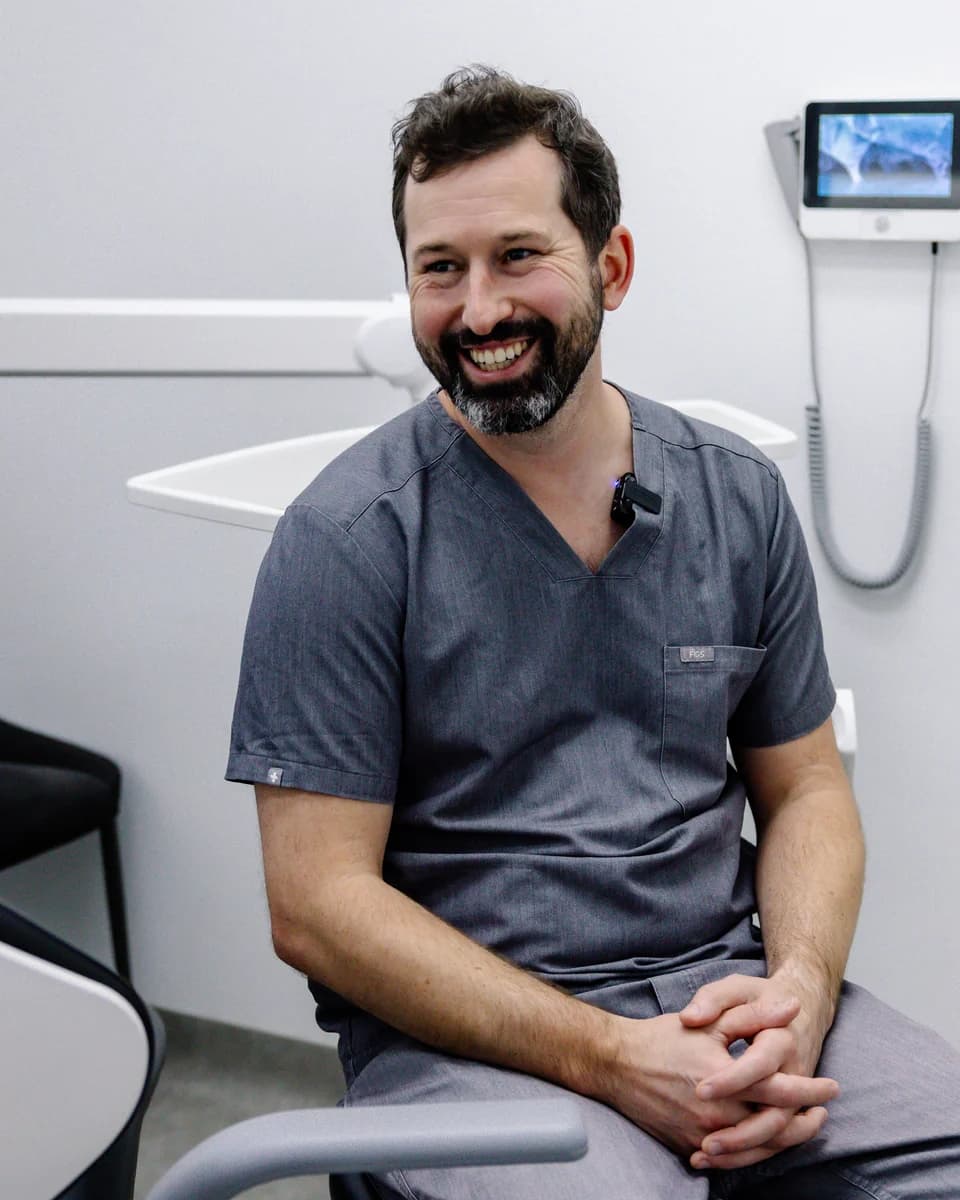
One of our dentists or a surgeon we refer you to places your implant, and we tell you who at your assessment.
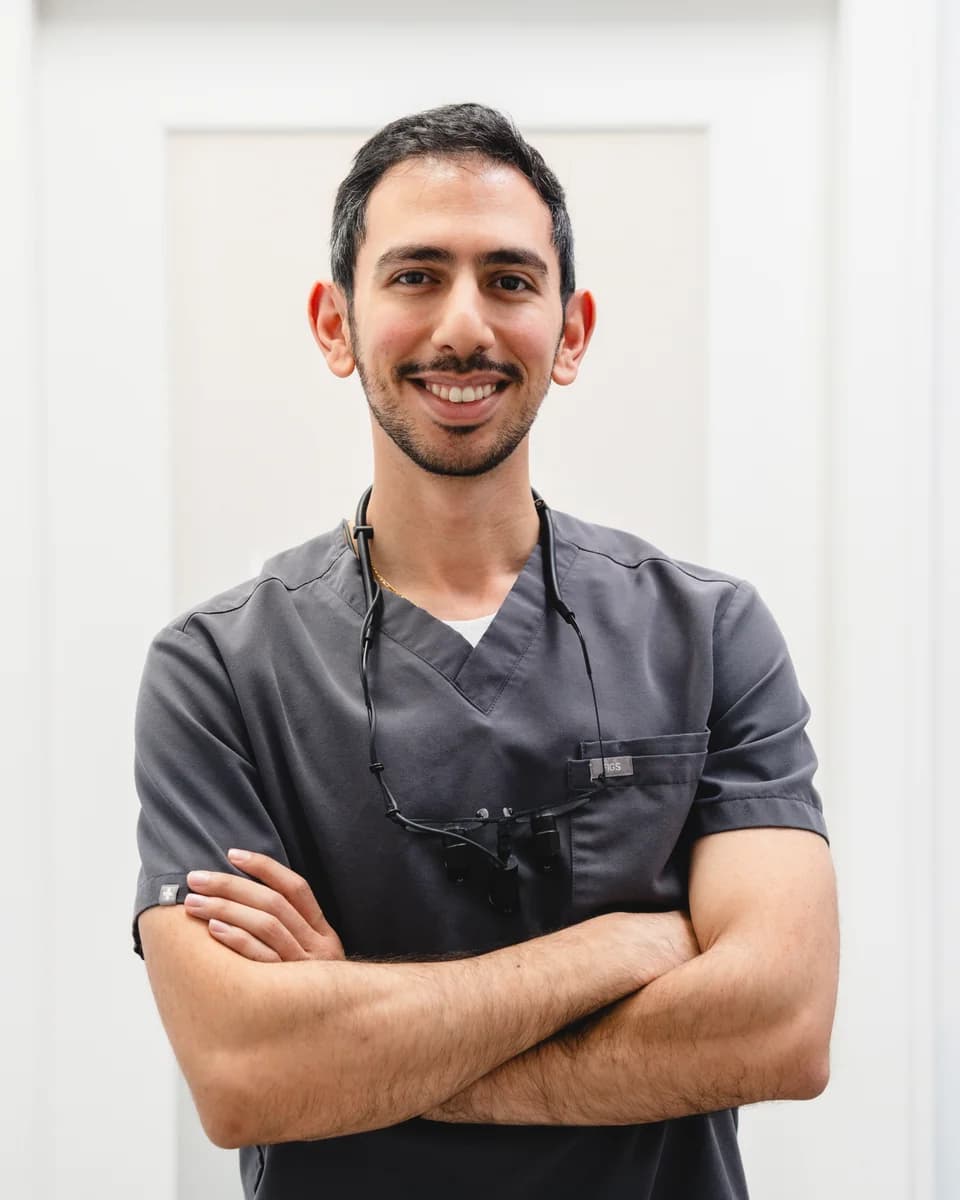
Anthony Adaimy, our dental prosthetist, makes dentures in our lab upstairs. He isn’t a dentist, so he doesn’t place implants.

Questions about
implants.
Something we haven’t answered? Ask us on the phone, or leave your number and we’ll call.
Request a callbackHow much does a single dental implant cost at Dental Spot?
A single implant is priced as three parts: the implant, the abutment that joins it to the tooth, and the crown. A bone graft, a tooth removal or a temporary tooth add to that. Ask for a written quote: it lists every item before anything starts.
Does Medicare cover dental implants?
Medicare doesn’t pay for dental implants for most adults. If you hold a Department of Veterans’ Affairs card, ask DVA what it covers before you start.
Will my health fund pay for an implant?
If your extras cover includes major dental, your fund may pay part of it, up to your annual limit. Ask us for the item numbers on your quote and check with your fund before treatment starts.
Am I too old for implants?
Age on its own is rarely the reason not to have an implant. Your general health, the bone in your jaw and the health of your gums matter more, and we check all three before suggesting anything.
Who isn’t suited to implants?
Implants are riskier for people who smoke, have diabetes that isn’t well controlled, have gum disease that hasn’t been treated, take some medicines that affect bone, or have had radiotherapy to the jaw. Some of these can be managed first. If there isn’t enough bone, a graft may make room for one.
Does getting an implant hurt?
The implant goes in under local anaesthetic, so you feel pressure rather than sharp pain. Afterwards, most people are sore and a little swollen for a few days, and your dentist will tell you which pain relief to take. Call us if the pain gets worse instead of better.
How long does it take from start to finish?
Usually a few months. The implant needs time to join with the bone before the final tooth goes on. If a tooth has to come out or you need a bone graft first, add a few more months of healing.
How long do dental implants last?
It depends on your gums, your bite, whether you smoke and how you look after the implant. A 2019 review of studies that followed implants for ten years found about 96 in 100 were still in place (Howe, Keys and Richards, Journal of Dentistry, 2019). The crown on top may need replacing sooner.
What’s cheaper than an implant?
A bridge or a partial denture usually costs less up front. A bridge needs crowns on the teeth either side of the gap; a denture comes out to clean. The comparison table on this page sets out the differences.
Can I have implants if I have gum disease?
Gum disease needs treating first, because it is one of the main reasons implants fail. Once your gums are healthy again, an implant may still be possible.
What happens if an implant fails?
Call us on (02) 9715 6567 if an implant feels loose, the gum around it is sore or bleeding, or the crown has chipped. Problems found early are easier to fix. An implant that doesn’t join the bone can often be removed and tried again once the area has healed.
How can I pay for an implant?
We take credit cards, EFTPOS and direct transfer, and you can claim on the spot through HICAPS. You get a written quote before anything starts.
What are the downsides of implants?
They need surgery, take a few months from start to finish, and usually cost more up front than a bridge or a partial denture. They’re riskier for people who smoke, have diabetes that isn’t well controlled or have untreated gum disease. An implant can fail to join the bone, though it can often be tried again once the area has healed.
Will I have a gap while the implant heals?
You may go home with a temporary tooth after the implant goes in. If you need one, it’s an item on your written quote.
Do you need X-rays or a scan before you can quote?
Yes. At your first consultation we take X-rays and a digital scan of your teeth here, plus a CT scan if you need one, and you leave with a written quote. Ask the front desk for the consultation fee.
Read more about implants.
 Dental implants
How Much Does a Dental Implant Cost in Australia?
What a single dental implant costs in Australia, what the price includes, what adds to it, like bone grafts or extra…
Updated Dental implants
Stages of Dental Implants
Dental implant treatment usually runs in five or six stages over 3 to 12 months: removing damaged teeth, any bone or gum…
Updated Dental implants
When a bone graft for a dental implant may be necessary
A bone graft may be needed before a dental implant when your jaw has lost bone, which happens naturally after a tooth is…
Updated