If your child is nervous.
You can stay beside them. Tell us what helps: a favourite toy, a break, or watching you first. We explain everything in words they understand and stop when they need to.

Check-ups and care from the first tooth, at your child’s pace. We accept the Child Dental Benefits Schedule.
Open Monday to Saturday
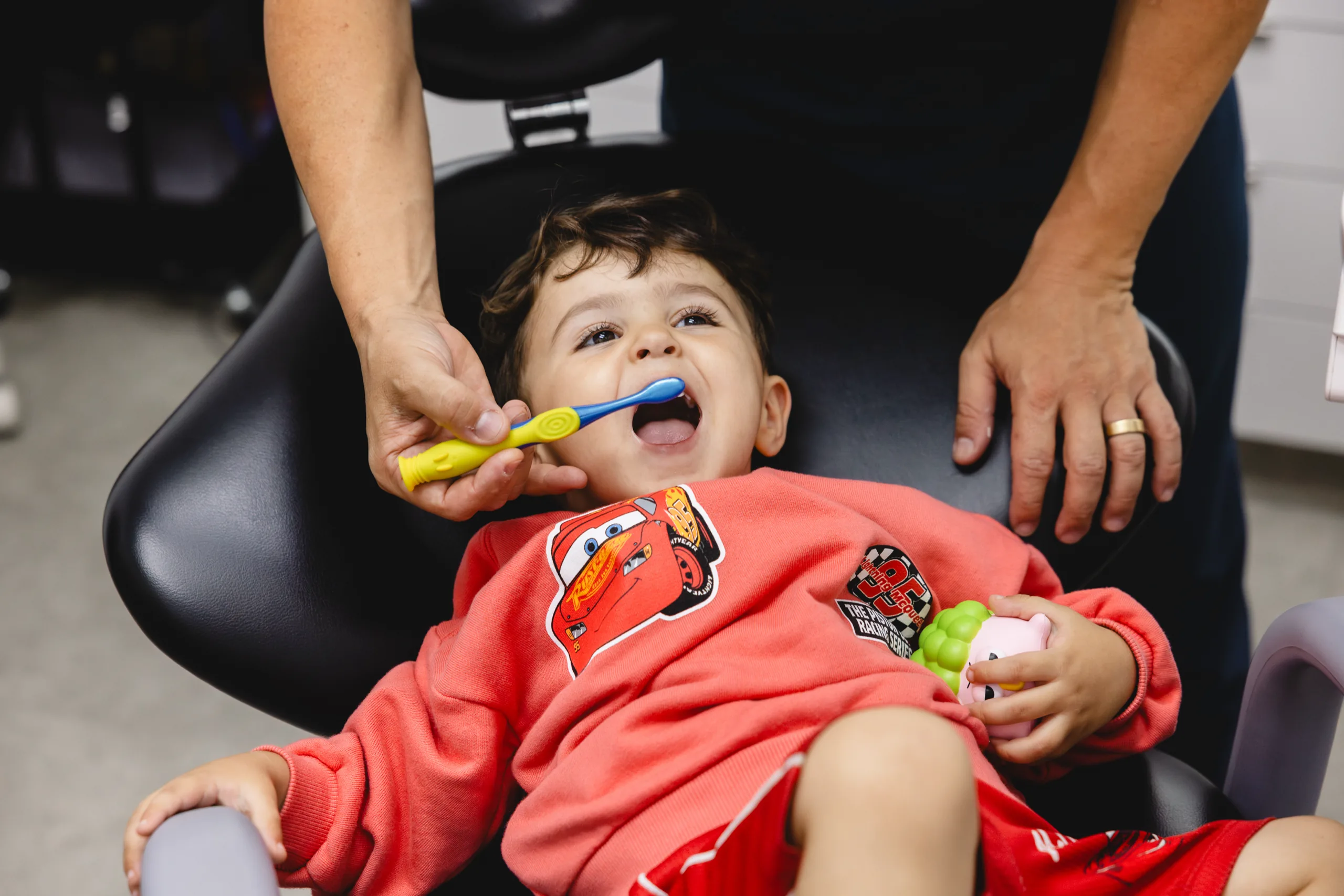
The Australian Dental Association recommends a first visit when the first tooth comes through or by their first birthday, whichever comes first. Before then, you can bring them along to your own check-up, so the place and the people are already familiar.
Everyday care for baby teeth and new adult teeth.
Usually every six to twelve months. What happens at a check-up
Extra protection for new back teeth, where most children’s decay starts.
Baby teeth hold space for adult teeth, so decay in them is often worth fixing. How fillings work
Soft food and no rough play for the rest of the day afterwards. Extractions
Don’t put a knocked-out baby tooth back in. Call us so a dentist can check the area. First aid
Custom-fitted, and made in our own lab.
A first visit is mostly about getting comfortable. No tears is the goal, not the rule: if today isn’t the day, we try again another time.
You can stay beside them. Tell us what helps: a favourite toy, a break, or watching you first. We explain everything in words they understand and stop when they need to.
Australia’s guidelines for children’s teeth:
A check around age seven, as general guidance, shows whether the bite and spacing are developing well. We look at this at their check-ups and explain the options if anything needs attention.
A few children need treatment under general anaesthetic, or more complex care from a dentist who only treats children. If your child does, we’ll explain why and refer you.
We accept the Child Dental Benefits Schedule. Children aged 0 to 17 may be eligible if their family receives Family Tax Benefit Part A or another relevant government payment. Benefits are capped (currently $1,158 over two calendar years for periods starting in 2026) and do not cover orthodontic or cosmetic treatment. We check eligibility and your remaining balance before treatment.
Kids under 12 pay no gap for a clean when they’re on extras cover that includes dental. Ask the front desk which funds this applies to. Anything else is quoted before it starts.
Ask the front desk how CDBS visits are billed when you book, and check your child’s eligibility and balance in your Medicare account through myGov. On extras cover, claim on the spot through HICAPS; your rebate depends on your cover.
Costs and health fundsLike any dental treatment, this carries risks, and results vary from person to person. Read the risks below and ask us about your situation before you decide.
Too much fluoride.
Swallowing a lot of toothpaste over time can mark adult teeth, which is why the amount matches their age.
Biting a numb lip.
After a filling, children can chew their lip or cheek while it’s numb. Watch them until the feeling returns.
Sensitivity after a filling.
Usually settles within a few days.
Sealants can wear or chip.
We check them at each visit and top them up if needed.
A hard visit can make the next one harder.
That’s why we’d rather stop and try again than push a frightened child.
Back to school or play.
After a check-up, straight away.
Soft food while numb.
Wait for the feeling to come back before chewing.
After a baby tooth comes out.
Soft food and no rough play for the rest of the day.
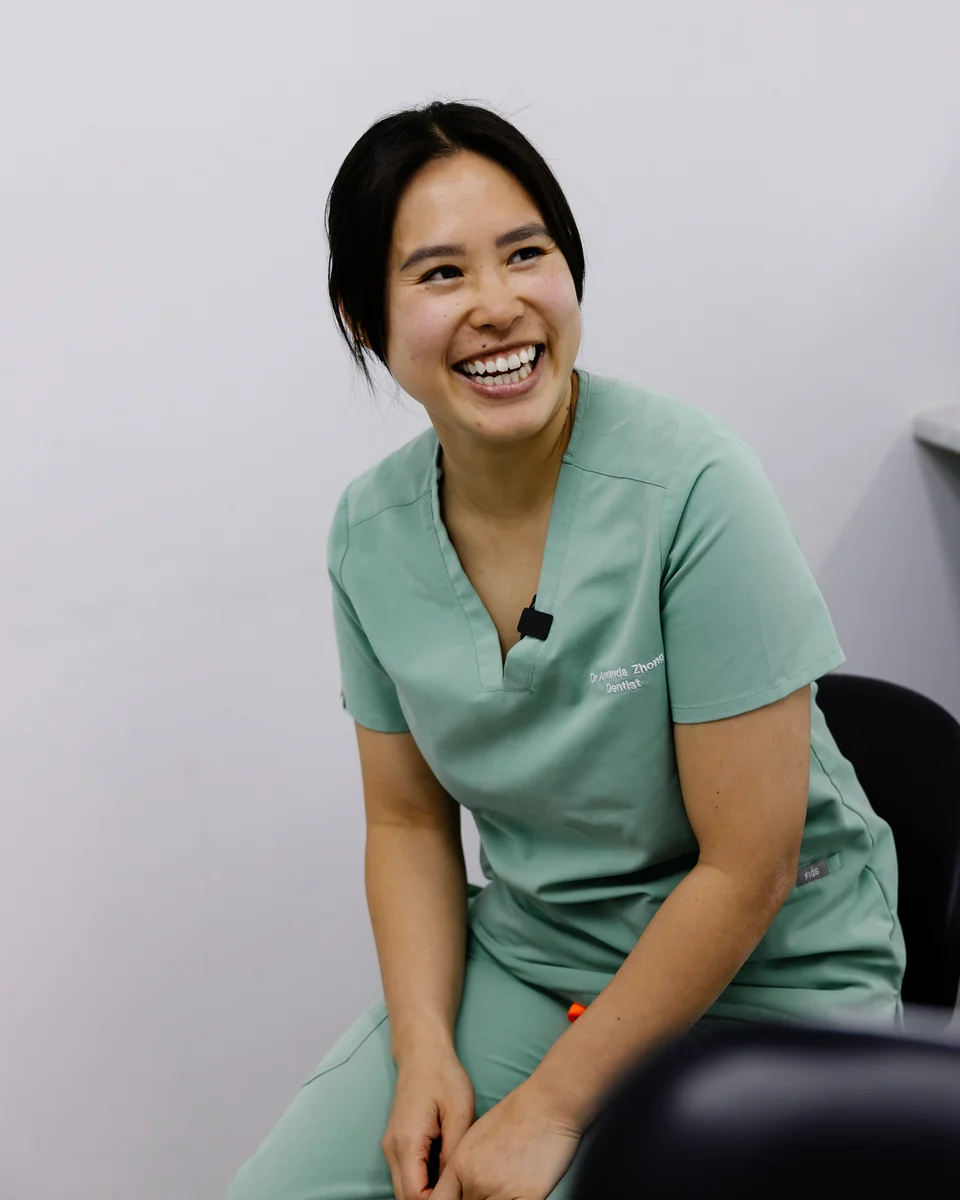
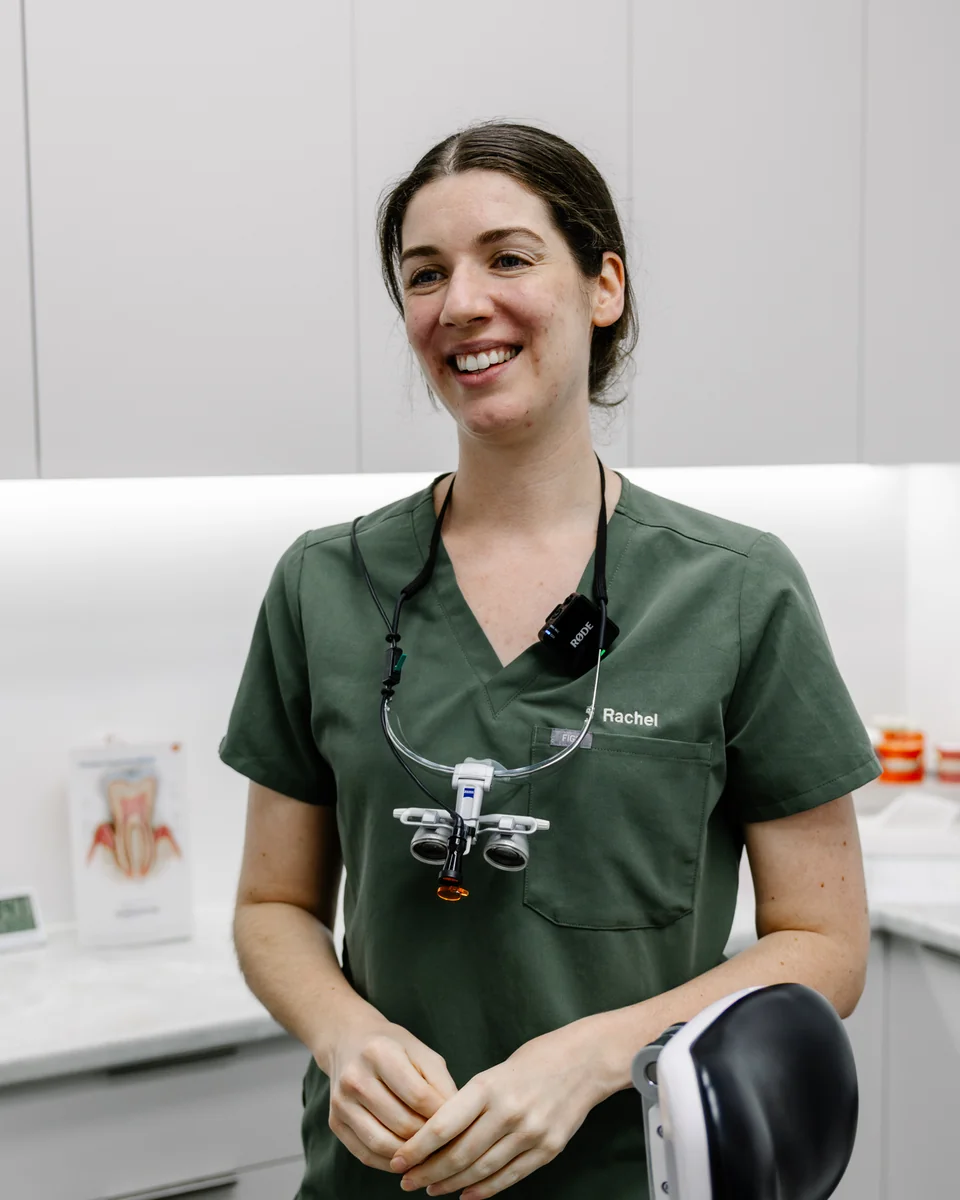
Any of our dentists can see your child. If you’d like Dr Amanda Zhong or Dr Rachel Brown, who both enjoy children’s dentistry, ask for them when you call.
Something else on your mind? Ask us on the phone, or leave your number and we’ll call.
Request a callbackWhen their first tooth comes through or by their first birthday, whichever comes first, as the Australian Dental Association recommends. Before then, you can bring them along to your own check-up, so the place feels familiar.
Yes. You can stay beside them the whole time.
Yes, we accept the Child Dental Benefits Schedule (CDBS). Ask the front desk how CDBS visits are billed when you book.
Children aged 0 to 17 may be eligible if their family receives Family Tax Benefit Part A or another relevant government payment. You can check eligibility and the remaining balance in your Medicare account through myGov.
Up to $1,158 per child over two calendar years, for periods starting in 2026. It covers treatment including check-ups, X-rays, cleans, fissure sealants, fillings, root canal treatment and extractions. It doesn’t cover orthodontic or cosmetic treatment.
Yes. NSW public dental services treat children under 18 who are eligible for Medicare, though waiting times apply. If you’d rather come here, we accept the Child Dental Benefits Schedule for eligible children, and kids under 12 on extras cover that includes dental pay no gap for a clean.
Tell us when you book. We go at their pace, show them everything before we use it, and stop when they need a break. If today isn’t the day, we try again another time.
Usually every six to twelve months. Your dentist will suggest what suits your child.
Often, yes. Baby teeth hold space for adult teeth and help with eating and speech, and decay in them can cause pain and infection. Some back baby teeth stay until about age 12. If one is close to falling out, your dentist may suggest leaving it.
Most children don’t. We see children for check-ups and everyday treatment. If your child needs treatment under general anaesthetic or more complex care, we’ll explain why and refer you.
Around age seven, as general guidance. Your dentist checks the bite and spacing at their check-ups and will tell you if anything needs a closer look.
Yes. Custom mouthguards are made in our own lab, fitted to your child’s teeth.
Brush twice a day from the first tooth. Under 18 months, use a soft brush and water unless your dentist suggests toothpaste; from 18 months to 5 years, use a pea-sized amount of low-fluoride children’s toothpaste. Help them brush until they’re about eight.
Yes. Both give extra protection to new back teeth, where most children’s decay starts, and the Child Dental Benefits Schedule (CDBS) covers fissure sealants.
You pay any gap on a CDBS visit yourself, because a health fund can’t top up a CDBS benefit. If your child isn’t eligible, or has used up the cap, extras cover may pay part, claimed on the spot with HICAPS. Any treatment found at the check-up is quoted before it starts.
 Kids
Most babies start teething between four and seven months.
Updated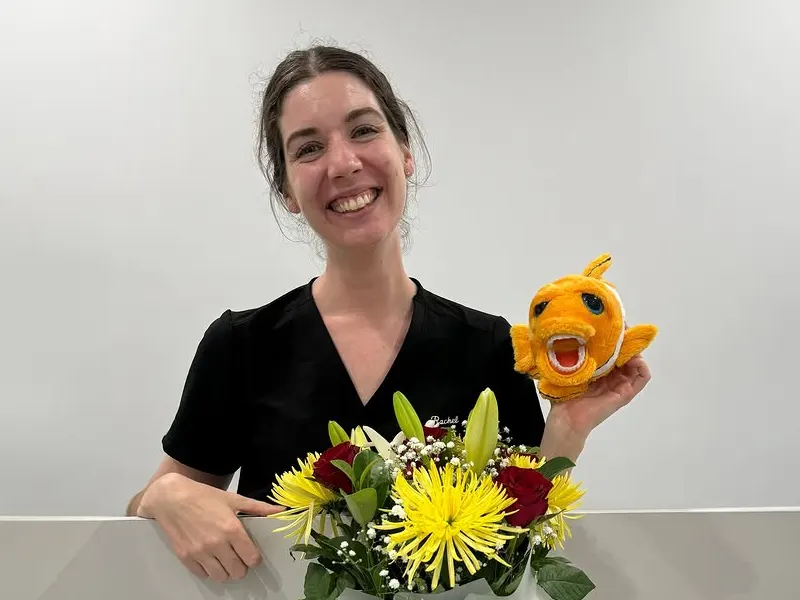 Kids
Bring your child for a first dental visit when the first tooth comes through or by their first birthday, whichever comes…
Updated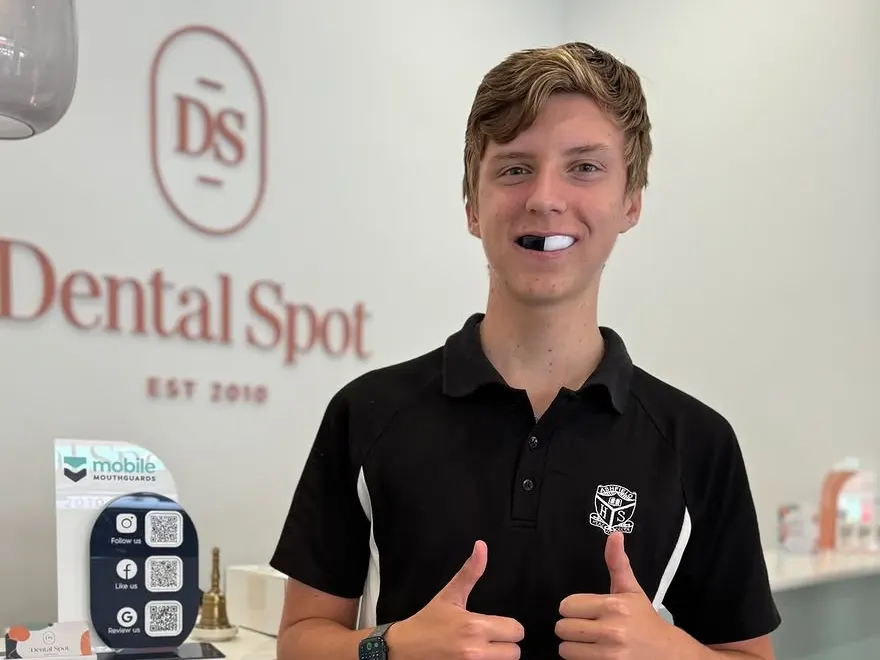 Kids
A properly fitted mouthguard helps protect children from chipped or knocked-out teeth, cuts and jaw injuries in almost…
Updated