Skip to content

How can we help?

Dental Spot
Call (02) 9715 6567Call Dental Spot

Sedation fornervous patientsin Croydon.

Plenty of people find the dentist hard. Start with a conversation. If you need more help, we’ll talk about sedation.

Open Monday to Saturday

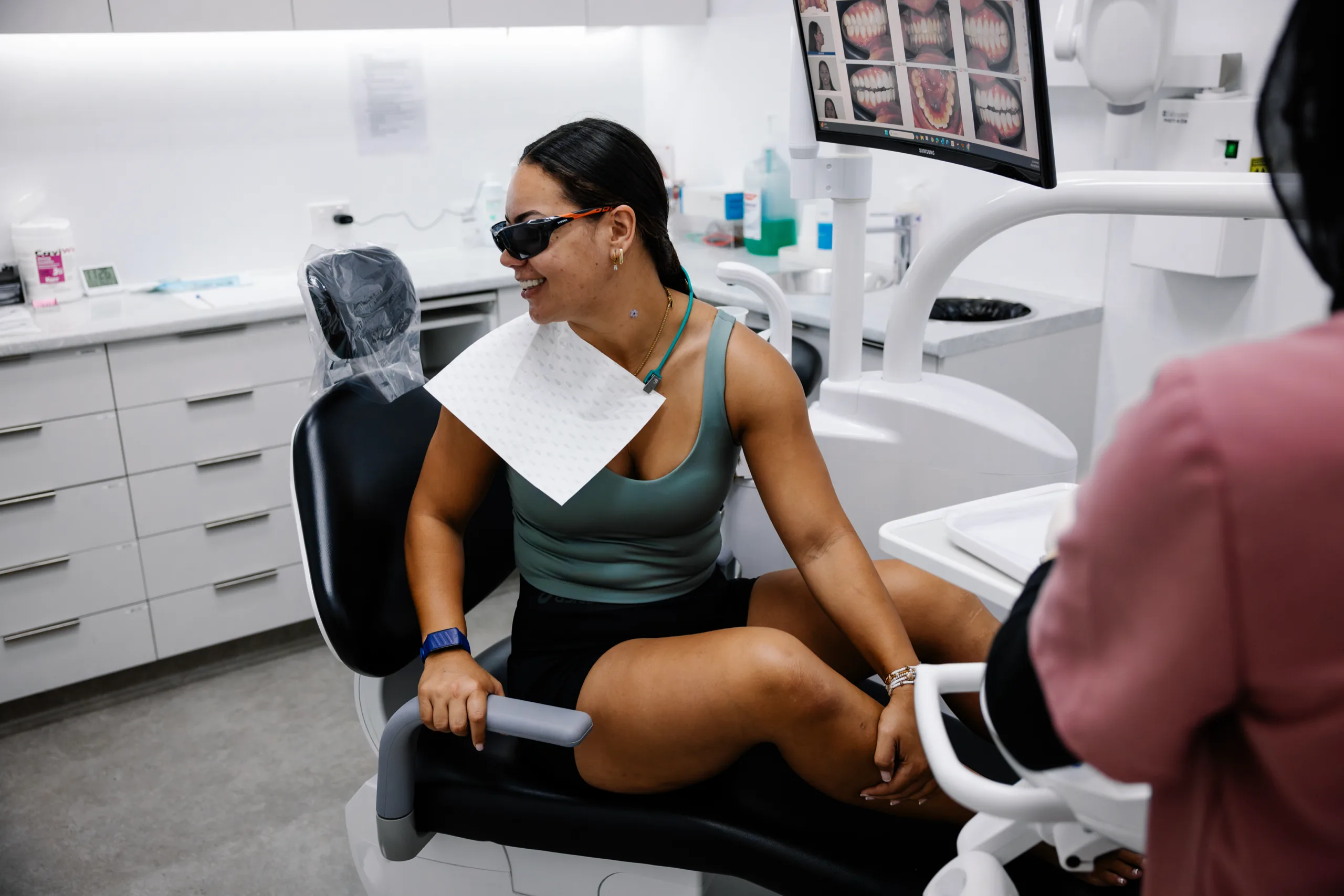
A patient smiling and relaxed in the dental chair

The short answer.

Options
Inhaled sedation, oral sedation (a tablet) and IV sedation (through a drip).
Awake?
Yes. With all three you stay awake but relaxed. Being fully asleep means a general anaesthetic in hospital.
Getting home
After oral or IV sedation, someone needs to take you home. After inhaled sedation you can usually drive.
Starting point
A conversation first, with no treatment unless you want it.

It starts
with talking.

Tell us what worries you: needles, the sounds, gagging, a bad experience, or how long it’s been. We explain each step before we start, agree a signal for stopping, and pause when you need us to.

For many people that’s enough. For some, sedation is what makes treatment possible.

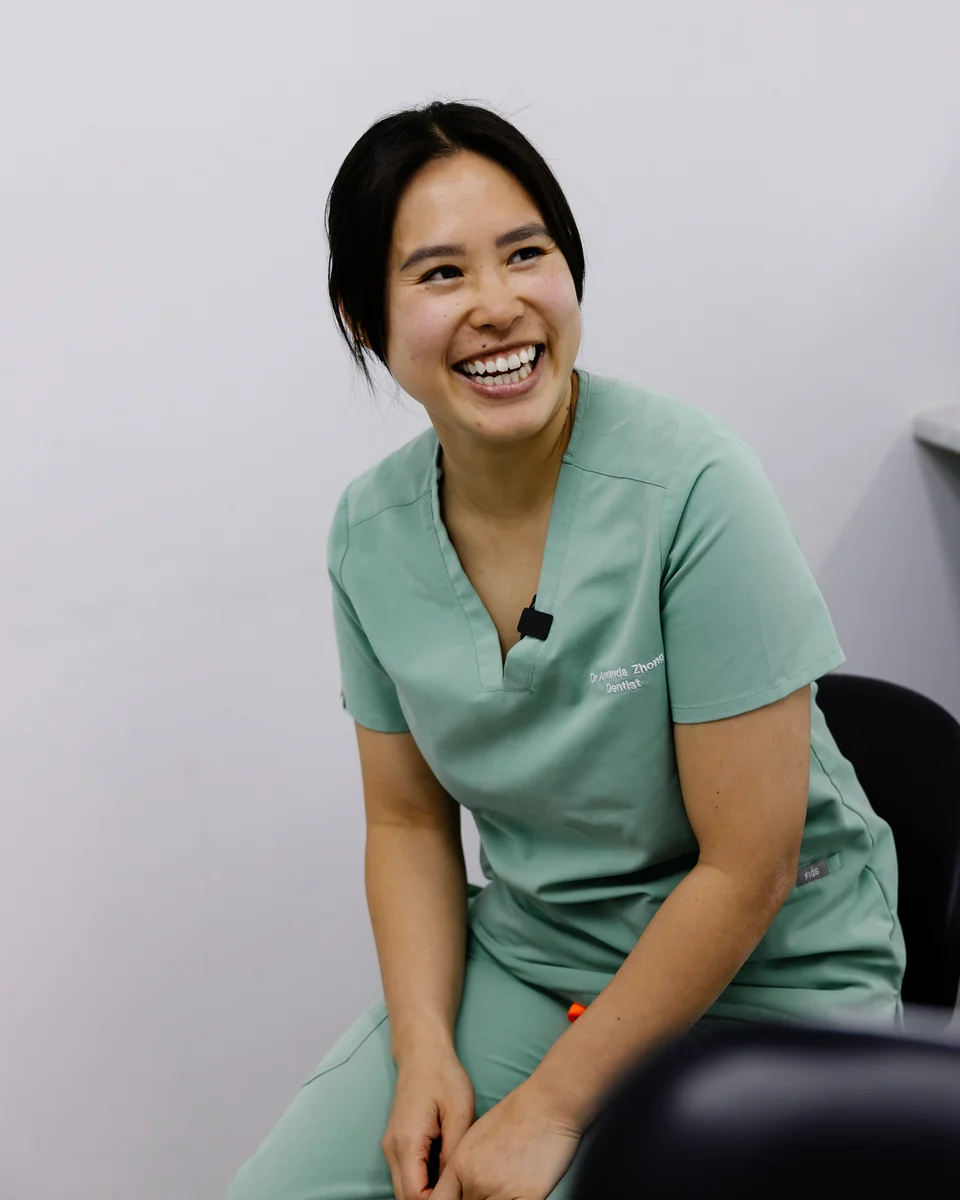
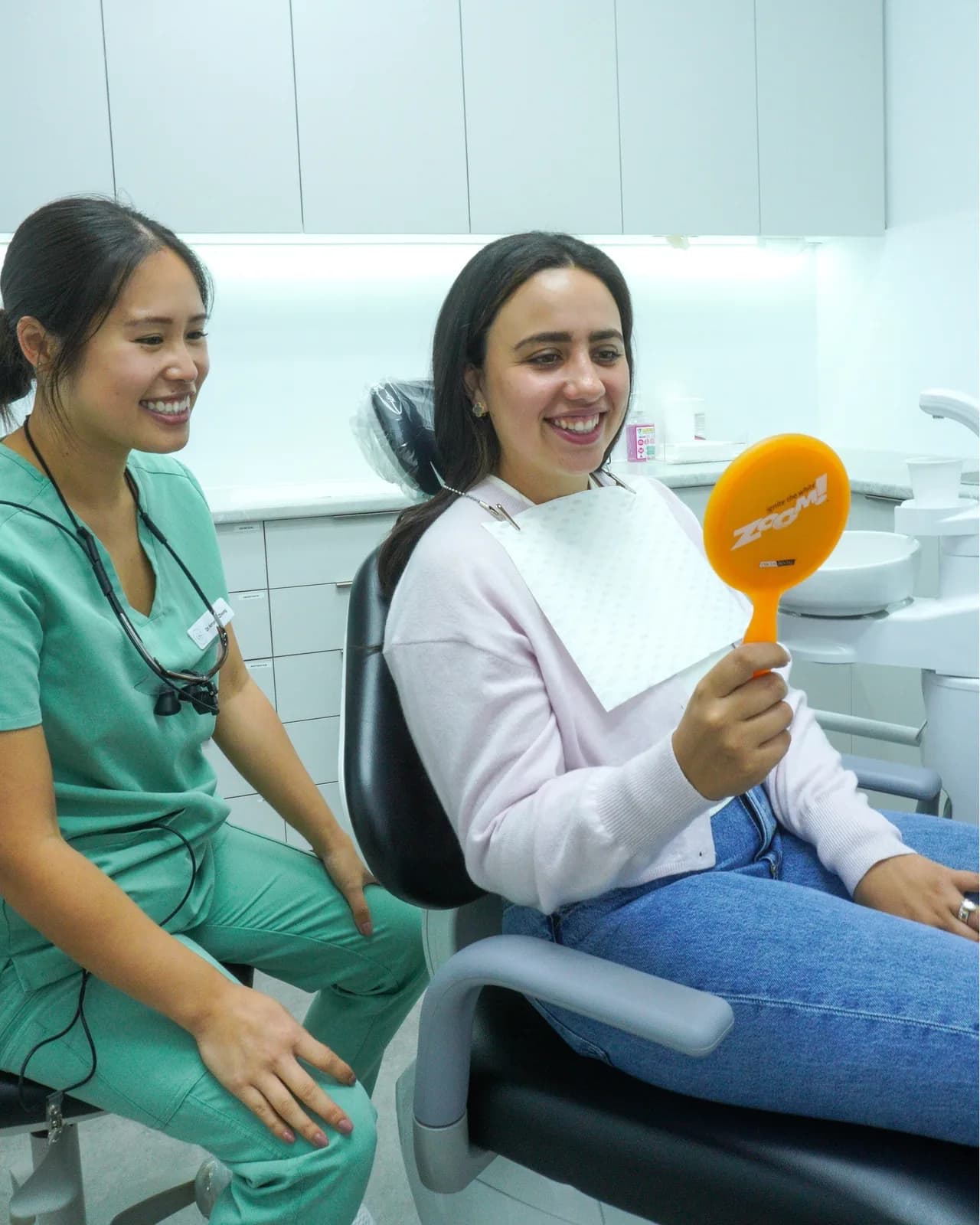
Dr Amanda Zhong talking with a patient, who checks her smile in a hand mirror

Sedation options.

We offer three kinds. Your dentist goes through them with you and recommends what suits you and the treatment.

Inhaled sedation

Breathed in through a small mask over your nose. It takes the edge off, and you stay fully awake and able to talk to us.

  • Wears off quickly once the mask comes off.
  • You can usually drive yourself home afterwards.
  • Not suitable for everyone. We check your health history first.
Oral sedation

A tablet you take before your appointment, which makes you feel drowsy and relaxed. It suits mild to moderate anxiety.

  • You stay awake.
  • Someone needs to take you to and from the appointment.
  • No driving for the rest of the day.

IV sedation

Sedation through a drip in your arm, for a deeper level of relaxation. You stay awake and can respond to us, and many people remember little afterwards.

  • Often suggested for longer treatment or severe anxiety.
  • You’ll need to fast beforehand, as we instruct.
  • Someone must take you home and stay with you.
  • No driving, alcohol or big decisions until the next day.

With all three, you’re not asleep. Being fully asleep means a general anaesthetic in hospital, and we can refer you if that suits you better.

Who sedation
can help.

We go through your health and medicines first. Some conditions, medicines and pregnancy rule some options out.

  • People with dental anxiety or phobia.

  • A strong gag reflex.

  • Teeth that are hard to numb.

  • Longer or more involved treatment.

    Such as removing a wisdom tooth or root canal treatment.

  • People who find it hard to sit still for long.

How a sedation visit works.

  1. We talk first.

    Your health, your medicines, what worries you, and which option suits, before the day.
  2. We plan the day.

    Fasting instructions if you need them, and who’s taking you home.
  3. On the day.

    We start the sedation and wait until you’re relaxed. Then we numb the tooth as usual.
  4. We watch you throughout.

    Our team monitors you closely during treatment and afterwards.
  5. Going home.

    You rest until you’re ready. After oral or IV sedation, you leave with the person taking you home.
Not ready for any of this? Start with a visit to talk it through, or a check-up with no treatment unless you want it.

Risks and recovery.

Like any dental treatment, this carries risks, and results vary from person to person. Read the risks below and ask us about your situation before you decide.

What can go wrong.

  • Drowsiness afterwards.

    Expect to feel sleepy and unsteady for the rest of the day after oral or IV sedation.

  • Nausea or a headache.

    Usually short-lived.

  • Slowed breathing.

    Sedation can slow your breathing, which is why you’re monitored throughout and why some health conditions rule it out.

  • Bruising where the drip went in.

  • Gaps in memory.

    Many people remember little of the appointment. Some find that unsettling.

Recovery.

  • Someone takes you home.

    And stays with you for the rest of the day after IV sedation.

  • No driving or alcohol.

    Until the next day, or as your dentist advises.

  • Rest.

    Plan nothing else for the day.

  • After inhaled sedation.

    It wears off quickly, and you can usually drive yourself home.

What it costs.

Sedation is charged on top of the treatment, and depends on the kind and how long you need it.

Fees depend on the treatment you need, so we give you an accurate quote at your consultation, before anything starts.

The front desk at Dental Spot

What changes the price.

  • The kind of sedation.
  • How long the appointment is.
  • The treatment itself, quoted separately.

Health funds and claiming.

Cover for sedation varies between funds. Ask yours what it pays for the item numbers on your quote.

Costs and health funds

Who you’ll see.

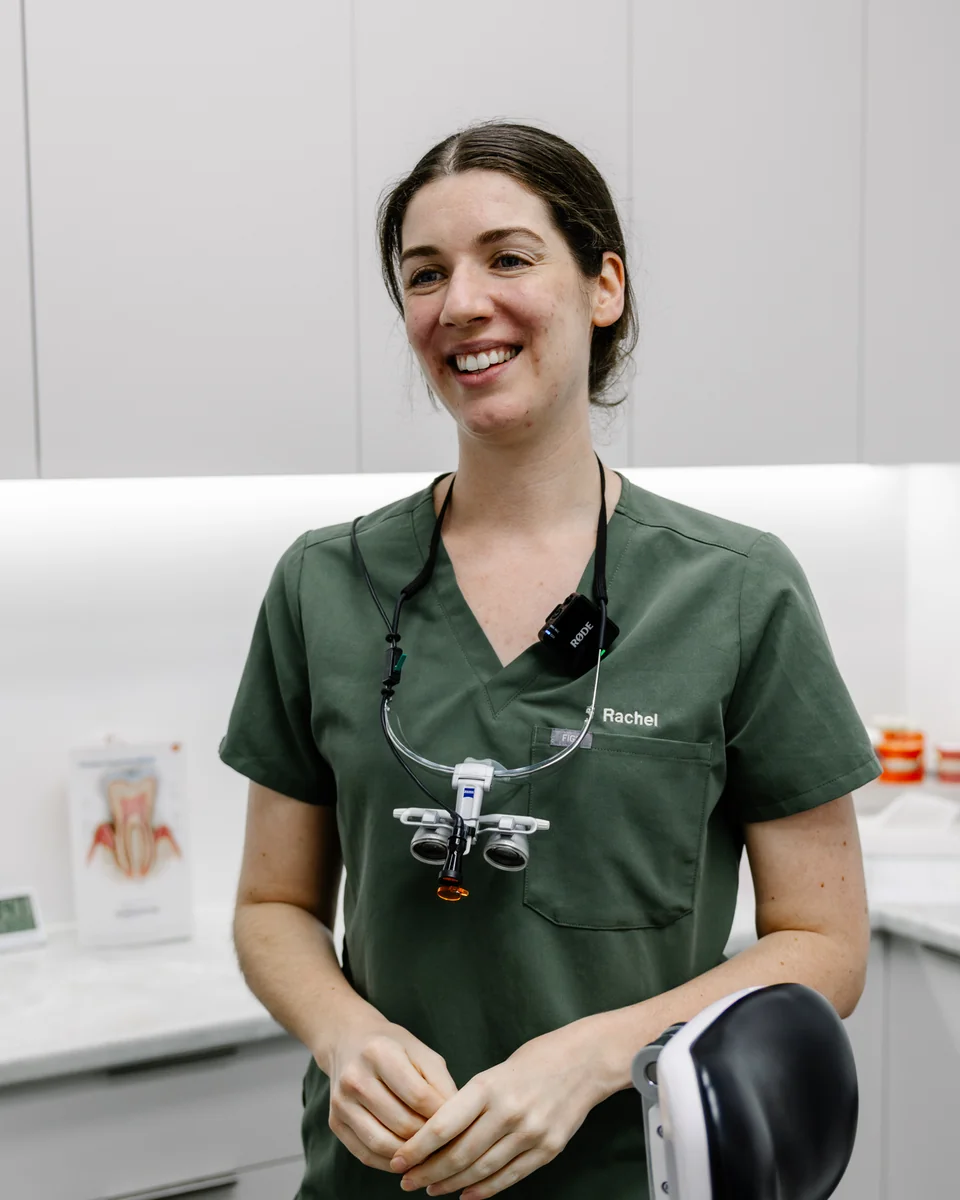
Your dentist goes through the options with you first, and any of our dentists can see you to talk it through. If you’d like Dr Rachel Brown, who enjoys working with anxious patients, ask for her when you call.

Meet the team

Questions we’re
often asked.

Something else on your mind? Ask us on the phone, or leave your number and we’ll call.

Request a callback
Will I be asleep?

No. With oral or IV sedation you stay awake and can respond to us, though many people remember little afterwards. With inhaled sedation you stay fully awake. Being fully asleep means a general anaesthetic in hospital.

Is this the same as sleep dentistry?

Sleep dentistry is an older name for sedation. We don’t use it, because with sedation you’re not asleep.

Can I eat before sedation?

It depends on the kind. For IV sedation you’ll need to fast for a set time beforehand. We’ll tell you exactly what and when.

Can I drive home?

Not after oral or IV sedation: someone needs to take you home. After inhaled sedation, you can usually drive yourself home once it has worn off.

Do I still need a needle to numb the tooth?

Usually, yes. Sedation helps you relax; a local anaesthetic numbs the tooth. We give it once you’re relaxed.

What treatment can I have with sedation?

Most everyday treatment, including fillings, root canal treatment and taking teeth out, wisdom teeth included. It also helps with a first visit back after a long gap. Your dentist will tell you which option suits the treatment you need.

Can anyone have sedation?

No. Some health conditions, medicines, pregnancy and breathing problems rule out some options. We’ll go through your health history before suggesting anything.

What if I just want to talk first?

That’s a good place to start. Book a visit to talk it through. Nothing happens unless you want it to.

Can I have sedation I breathe in?

Yes. Inhaled sedation is breathed in through a small mask over your nose: it takes the edge off and you stay fully awake. It wears off quickly, so you can usually drive yourself home.

What are the side effects of sedation?

After oral or IV sedation, expect to feel sleepy and unsteady for the rest of the day, and some people have nausea or a headache that soon passes. Sedation can also slow your breathing, which is why our team monitors you throughout. We go through your health history before suggesting anything.

Let’s talk it through first.

Leave your number. Our front desk will call to arrange a time.

Dental Spot collects your name and phone number so our front desk can call you back. Please don’t include health details here; we’ll talk about that when we call. We don’t share it with anyone else, apart from the email service that delivers it to us. You can ask to see or correct it. Read our privacy policy.

Or call (02) 9715 6567

We call back during opening hours, Monday to Saturday. Your appointment is confirmed once you’ve spoken with our team.

Call usCallRequest a callbackCallback