Brush twice a day.
Two minutes, with a fluoride toothpaste. Spit, don’t rinse, so the fluoride stays on your teeth.

A check-up and clean takes 45 to 60 minutes: we check your teeth and gums, clean off the plaque and tartar, and tell you what we found. Claim on the spot with HICAPS; ask the fee when you call. However long it’s been, there’s no lecture.
Open Monday to Saturday
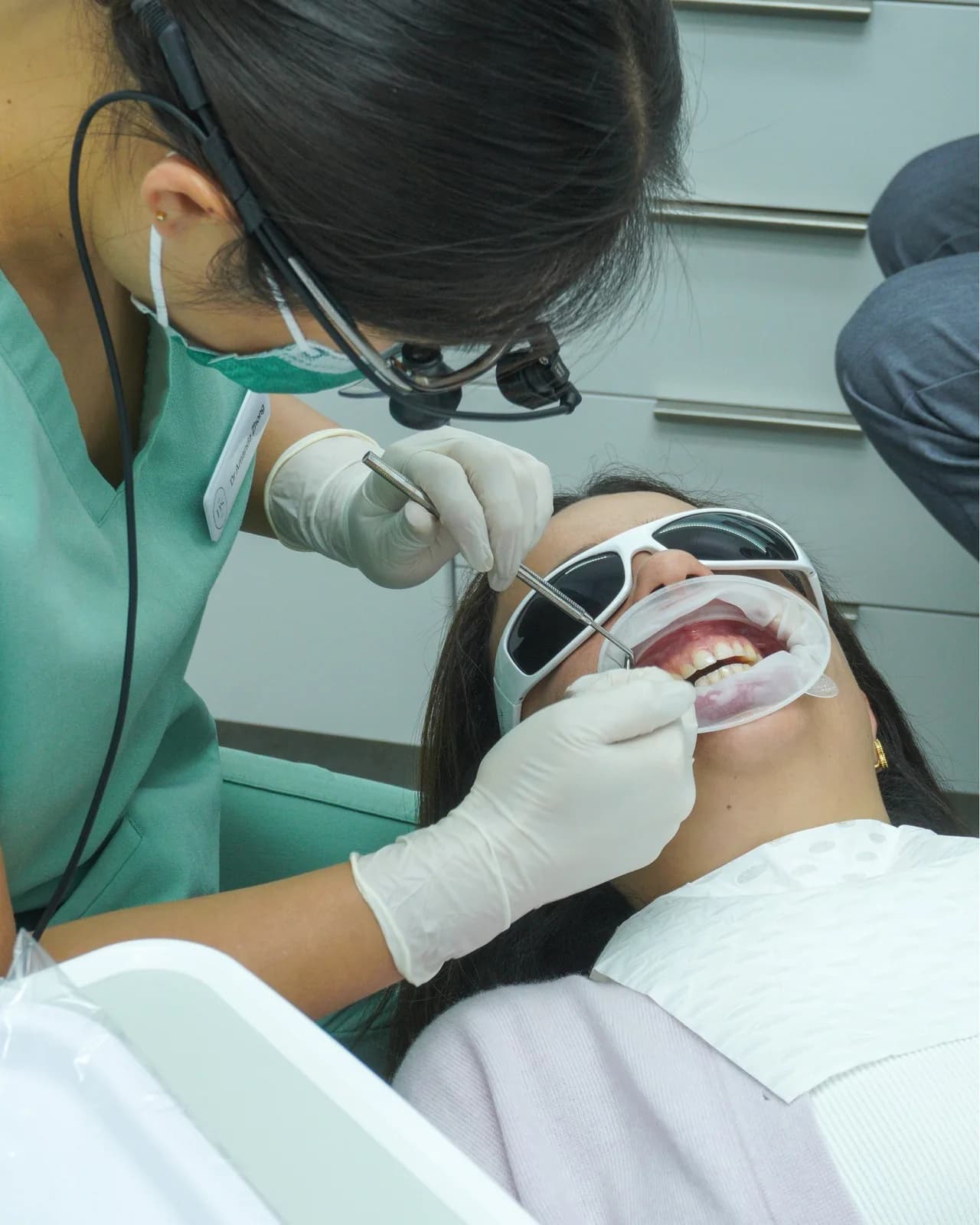
Your dentist checks your teeth, gums and mouth, then cleans off the plaque and tartar a toothbrush can’t reach. Tartar left behind leads to decay and gum disease, so the clean is half the point.
We show you what we see, on X-rays if you need them, and explain it in plain words. Then you decide what happens next.
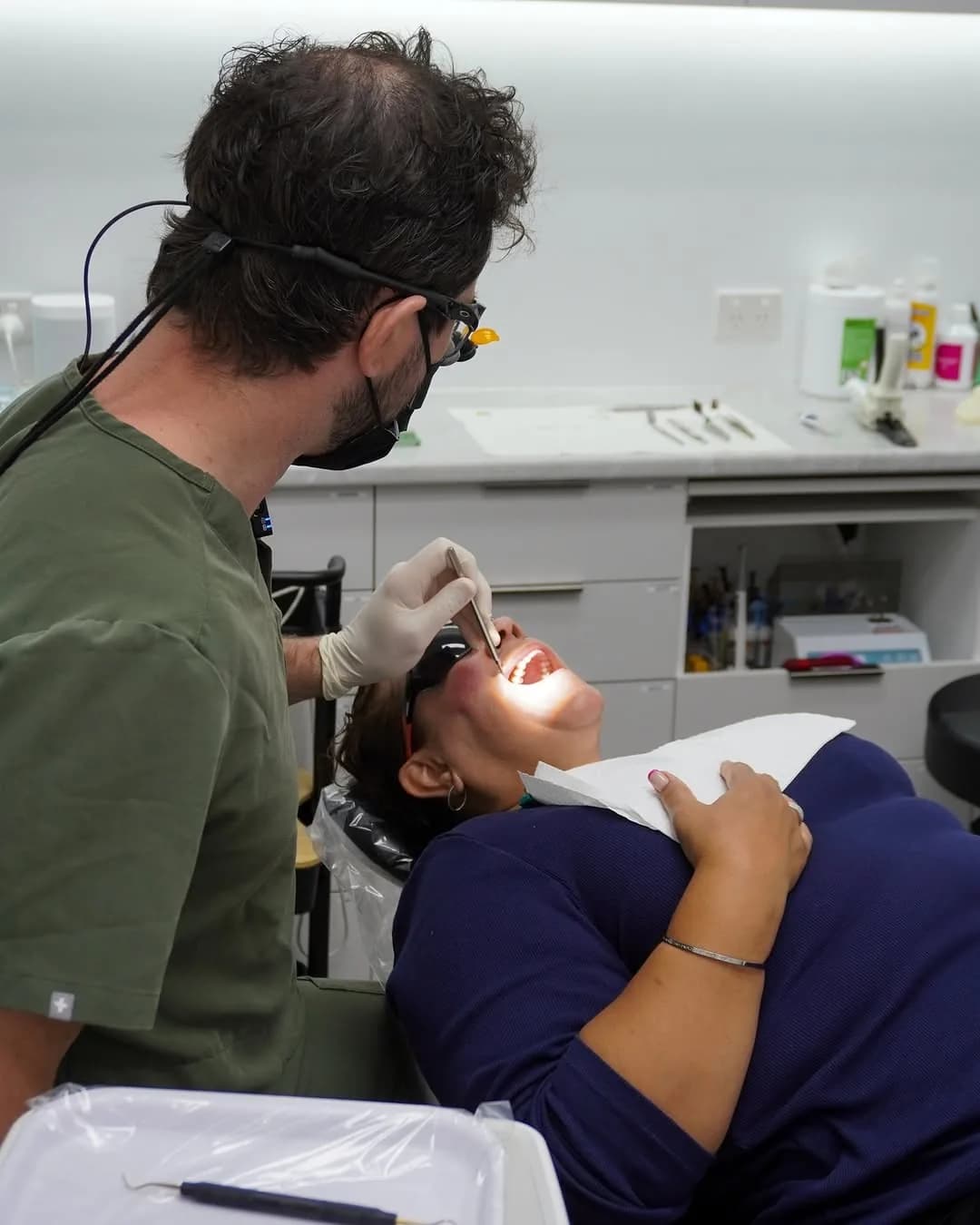
Most people need one every six to twelve months. Your dentist will suggest what suits you.
Or whatever gap your dentist suggested last time.
Plenty of people come back after years away. We’ll start from where you are, without a lecture.
Often an early sign of gum disease. We’ll check, clean and show you what helps. Gum disease: signs and treatment
A rough edge, a sensitive tooth, or a filling that feels high.
We explain each step before we start, and you can ask us to pause at any time.
What you do at home matters more than the clean. Your dentist will tailor this to your teeth.
Two minutes, with a fluoride toothpaste. Spit, don’t rinse, so the fluoride stays on your teeth.
Floss or small interdental brushes once a day reach the gaps a toothbrush misses, where a lot of decay starts.
It’s how often you have sugar, more than how much. Sipping and snacking all day keeps your teeth under attack.
Children’s check-ups work the same way, at their pace. Kids under 12 pay no gap for a clean when they’re on extras cover that includes dental. Ask the front desk which funds this applies to. We accept the Child Dental Benefits Schedule (CDBS): eligible children aged 0 to 17 can use up to $1,158 over two calendar years (periods starting in 2026). Children’s dentistry
If your dentist finds something that needs treatment, you’ll get your options and what each one costs before you decide.
Fees depend on the treatment you need, so we give you an accurate quote at your consultation, before anything starts.
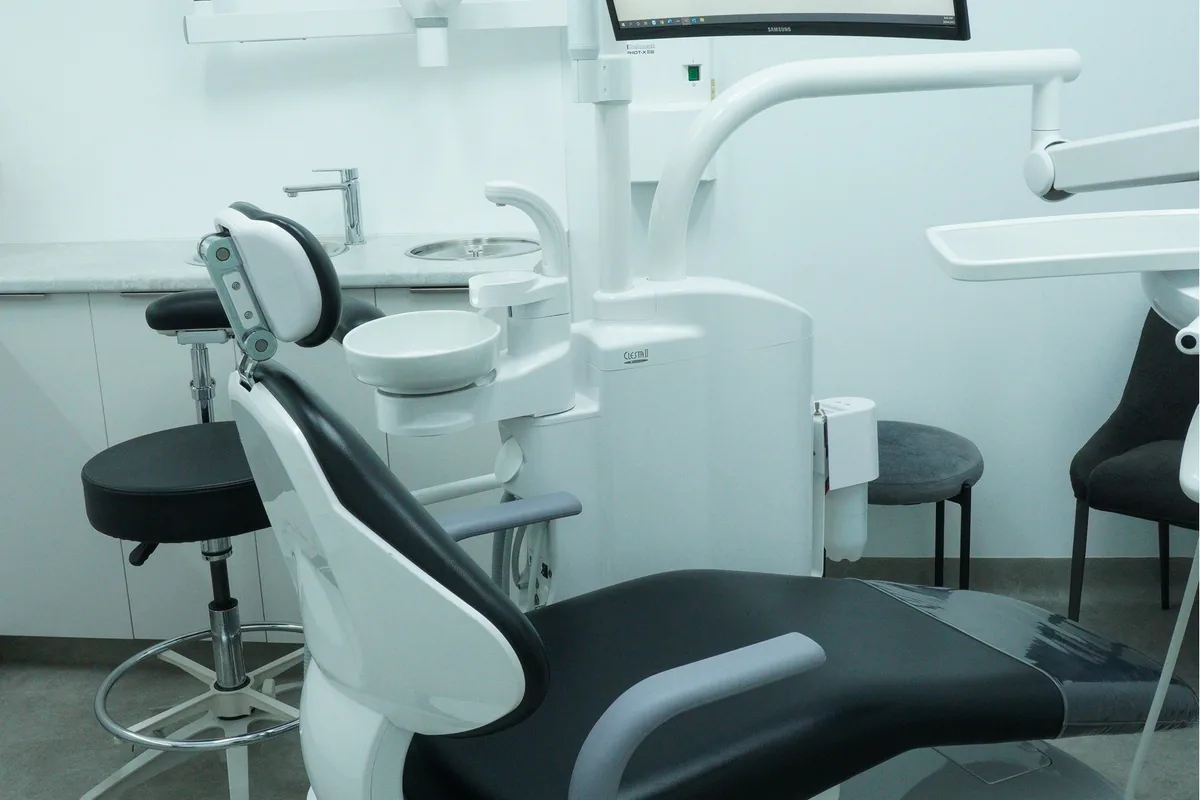
Bring your health fund card to claim on the spot through HICAPS. Your rebate depends on your cover and the treatment.
Costs and health fundsLike any dental treatment, this carries risks, and results vary from person to person. Read the risks below and ask us about your situation before you decide.
Sensitive teeth for a day or two.
Most common after a clean that removes a lot of tartar.
Some bleeding from the gums.
Inflamed gums bleed when they’re cleaned. It settles as they heal.
A small dose of radiation from X-rays.
Dental X-rays use a low dose. We only take them when your dentist needs to see something the eye can’t.
Back to your day straight away.
You can eat, drive and go to work after a check-up and clean.
After fluoride.
Your dentist will tell you how long to wait before eating or drinking.
If sensitivity lasts.
A sensitive toothpaste helps. Call us if it hasn’t settled after a few days.
Your check-up and clean is with one of our dentists.
Something else on your mind? Ask us on the phone, or leave your number and we’ll call.
Request a callbackIt depends on whether it’s your first visit here and whether you need X-rays. Call (02) 9715 6567 and the front desk will tell you the fee before you book.
Not for most adults. Children may be covered by the Child Dental Benefits Schedule if the family is eligible, and we accept it. Adults with a Health Care Card, Pensioner Concession Card or Commonwealth Seniors Health Card can use NSW public dental services. Extras cover usually pays towards check-ups: claim on the spot through HICAPS.
Most people need one every six to twelve months. Your dentist will suggest what suits you, which may be more often if you’re prone to decay or gum disease.
Usually 45 to 60 minutes. A first visit can take a little longer while we get to know your teeth and your history.
Yes. A check-up here includes a clean and polish. Anything else your dentist finds is explained and quoted before it starts.
No. We take X-rays when your dentist needs to see between your teeth or below the gums. We take them here, and we show you what they show.
No. Plenty of people come back after a long break. We’ll look, tell you what we see, and talk through what needs doing now and what can wait.
Yes, brush and floss beforehand. It clears away food so your dentist gets a clear view of your teeth and gums.
If your extras cover includes general dental, yes. Bring your card and claim on the spot through HICAPS. What you get back depends on your fund and your level of cover.
No. A scale and clean removes plaque and tartar from your teeth and just under the gum line. If you have gum disease, your dentist may suggest a deeper clean below the gums, which is a separate treatment with its own quote.
Often because of gingivitis, early gum disease caused by plaque along the gum line (Australian Dental Association). A check-up and clean removes plaque and tartar, and your dentist checks whether you need more.
Very little: dental X-rays use a very low dose (Australian Radiation Protection and Nuclear Safety Agency). We take them only when your dentist needs them, and we tell you first.
Usually not. It can feel tender if your teeth are sensitive or your gums are inflamed, so tell your dentist, who will pause whenever you ask.
Each number is the depth, in millimetres, of the gap between a tooth and the gum. Readings of 3 or less are healthy, and 4 or more can be a sign of gum disease (FDI World Dental Federation, from the 2017 World Workshop classification). Your dentist explains what your readings mean and what to do about them.
A clean can remove surface stains, so your teeth can look brighter, but it doesn’t change their natural shade (Australian Dental Association). Whitening lightens the shade.
Yes. Check-ups and most treatment can go ahead during pregnancy, and NSW Health encourages a check-up before or soon after you become pregnant. Tell the front desk when you book, and tell your dentist at the visit.
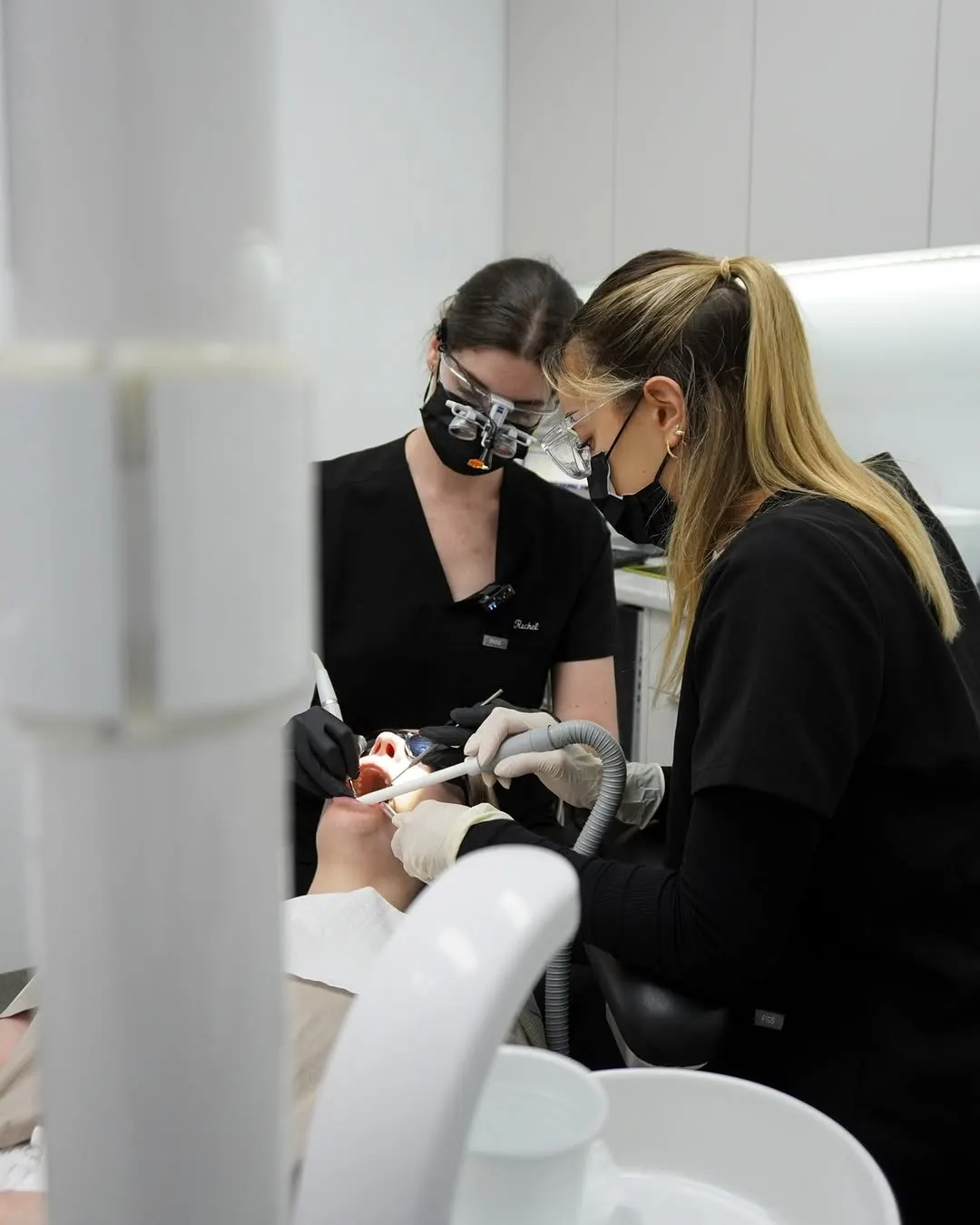 General dentistry
Treatment depends on the stage: professional cleaning, scaling and root planing to remove plaque and tartar below the…
Updated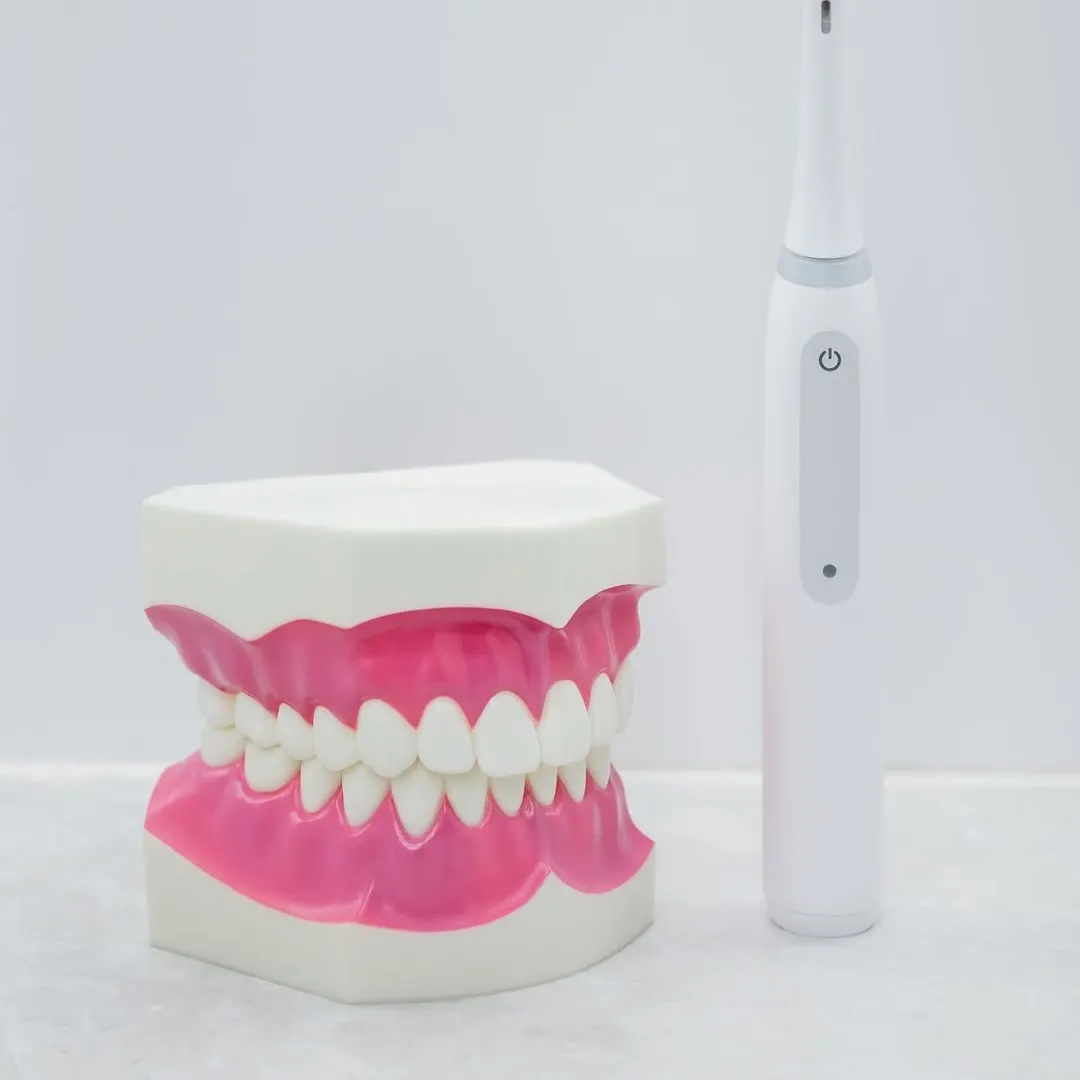 General dentistry
Floss once a day, ideally in the evening and before brushing so your toothpaste's fluoride can reach between your teeth.
Updated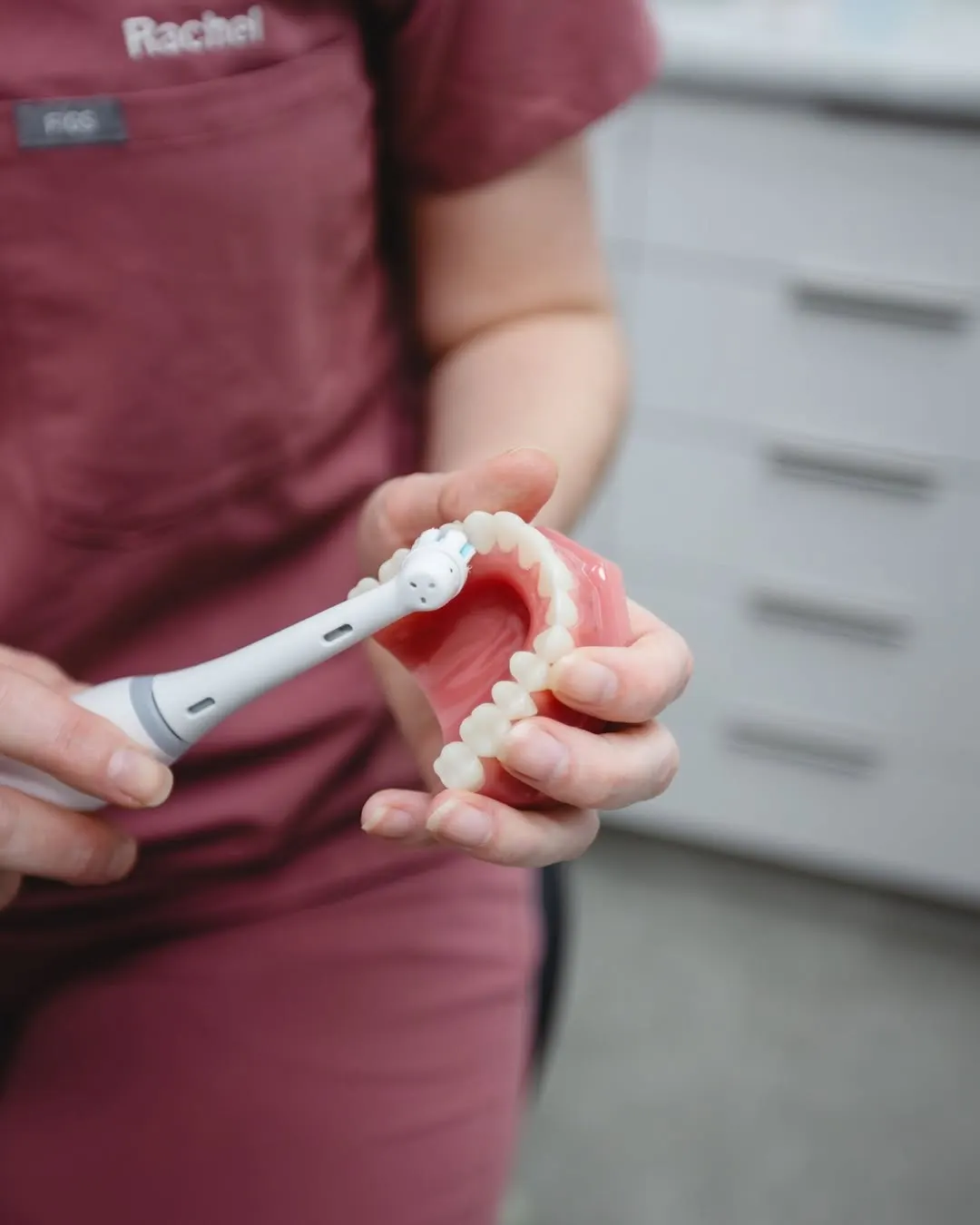 General dentistry
Replace your toothbrush, or electric brush head, every three to four months, as the Australian Dental Association…
Updated