Metal or tooth-coloured.
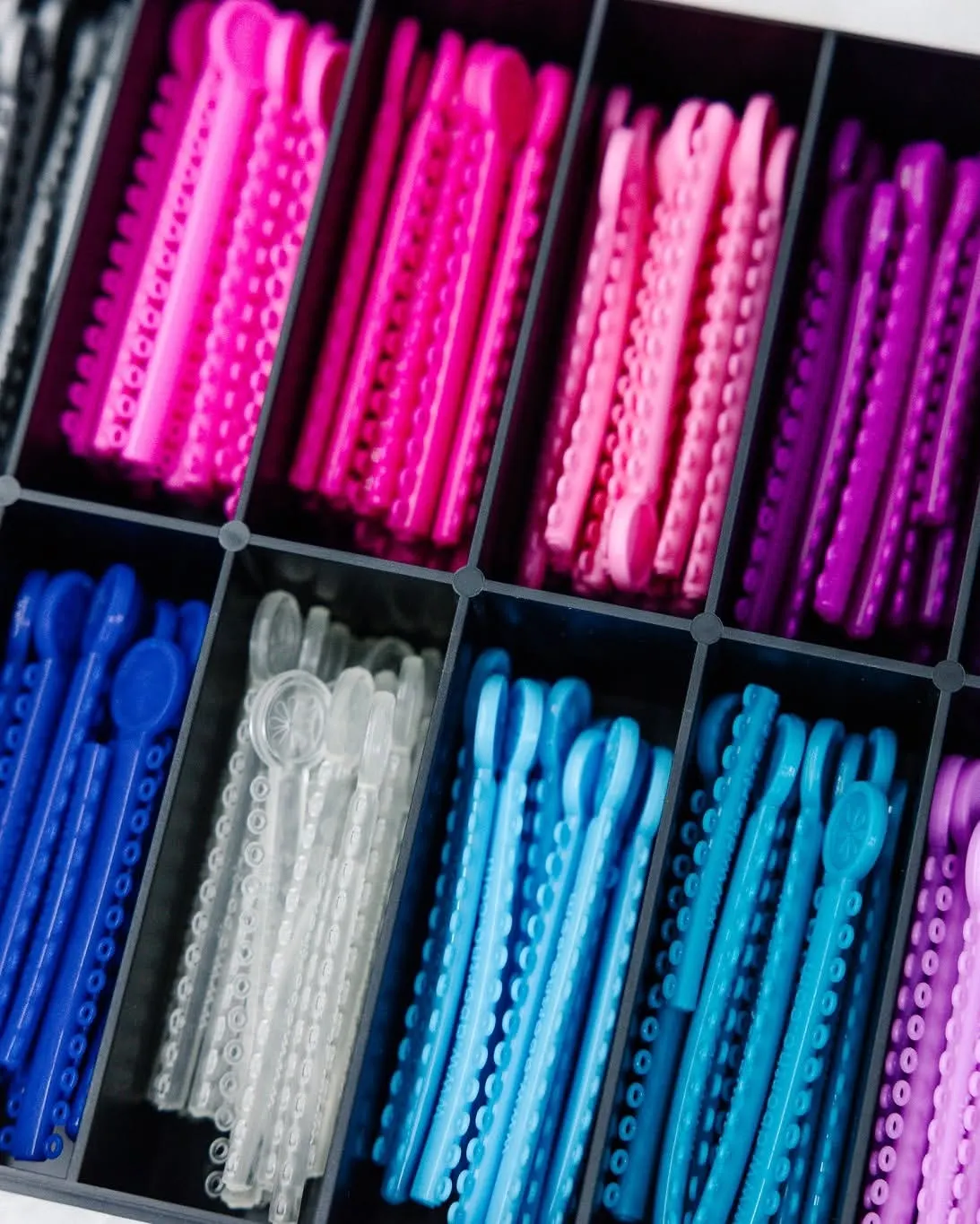
Metal braces are the most hard-wearing, and you can choose the colour of the bands. Tooth-coloured ceramic brackets are harder to see.

Metal or tooth-coloured (ceramic) braces for teens and adults, usually worn for one to three years. One written quote covers the whole treatment, retainers included.
Open Monday to Saturday
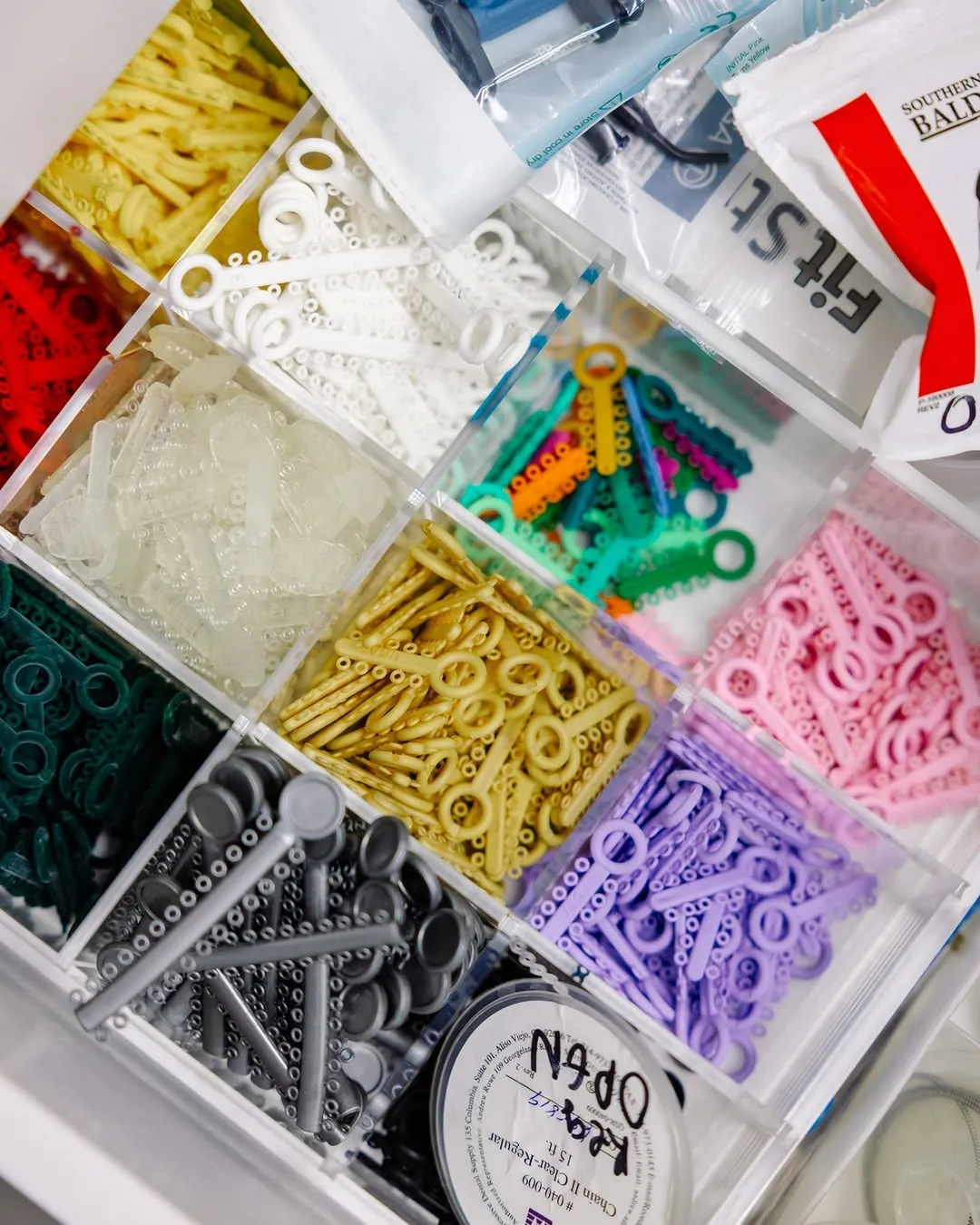
Braces are small brackets bonded to your teeth and joined by a wire. Your dentist adjusts the wire at regular visits, and the steady pressure moves your teeth into line over months.
When your teeth are where they should be, the braces come off and a retainer holds them there. Without a retainer, teeth tend to drift back, so it’s part of the treatment.
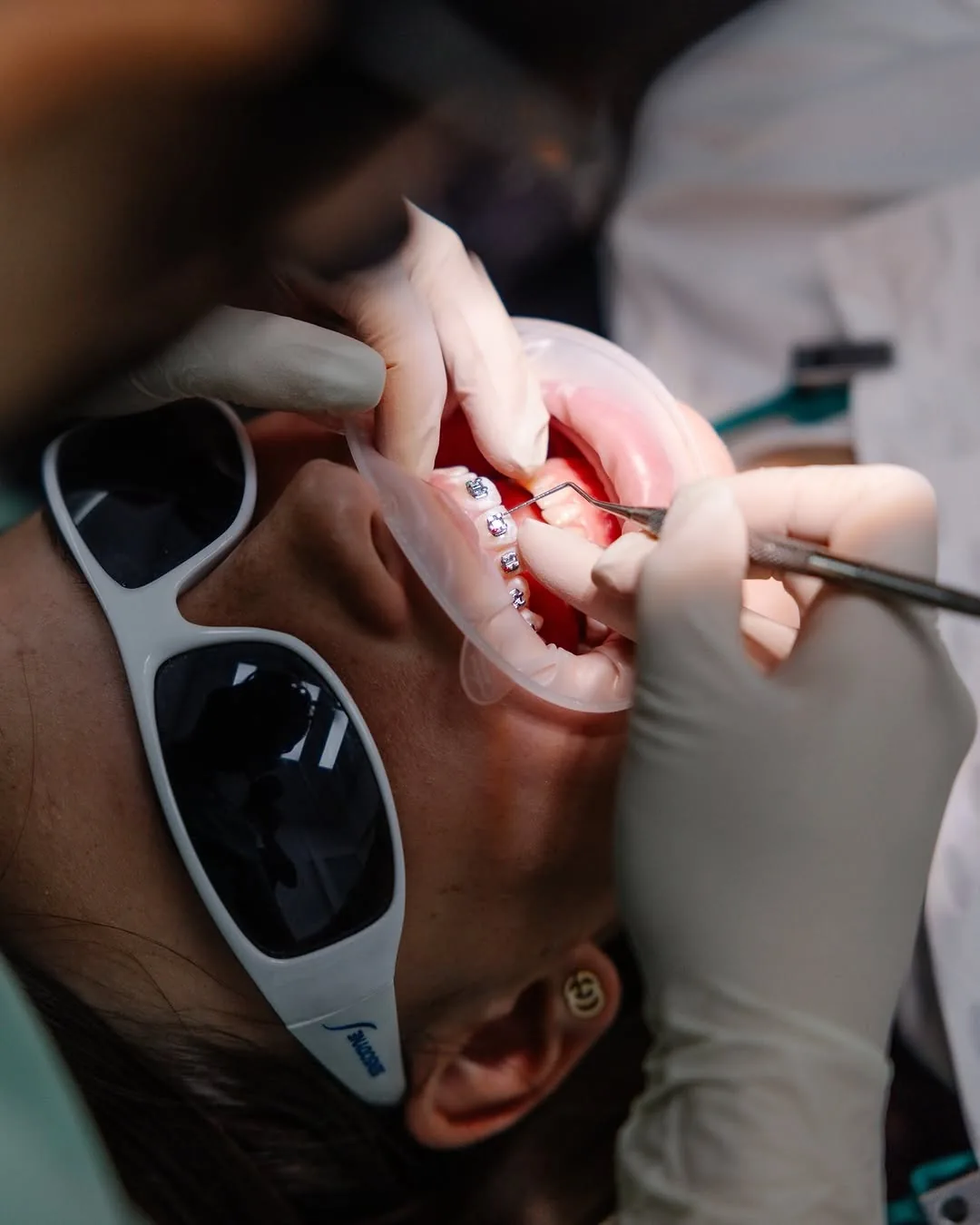
We check your teeth, bite and gums first, because gum disease needs treating before teeth are moved.
Harder to clean, and more likely to wear unevenly.
Spaces that collect food or that you’d like closed.
Overbite, underbite or crossbite, where the top and bottom teeth don’t line up.
There’s no upper age limit if your teeth and gums are healthy.
We explain each step before we start, and you get the plan and the cost in writing.
A few habits make treatment go smoothly and keep your teeth healthy underneath.
Metal braces are the most hard-wearing, and you can choose the colour of the bands. Tooth-coloured ceramic brackets are harder to see.
Food catches around brackets. Brush after meals and use small interdental brushes to clean under the wire, or plaque can mark your teeth.
Avoid hard, sticky and chewy foods like nuts, toffee and crusty bread, which can break a bracket. Cut food into small pieces.
| Braces | Invisalign clear aligners | |
|---|---|---|
| How they work | Brackets bonded to your teeth, joined by a wire your dentist adjusts | Clear trays; a new set about every two weeks |
| Can you see them? | Metal shows; tooth-coloured ceramic is harder to see | Hard to see |
| Removable? | No | Yes, to eat, drink anything but water, and brush |
| Wear time | All the time, fixed | 20 to 22 hours a day |
| Usual treatment time | One to three years | Often 12 to 18 months |
| Visits | Regular adjustments | Regular check-ups |
| Food | Avoid hard, sticky and chewy food | No limits, with trays out |
| Suits | Larger movements and bite problems | Mild to moderate crowding or gaps |
Your dentist will tell you which suits your teeth, and quote the whole treatment including retainers.
Invisalign: clear aligners used to straighten teeth. This product is not available for purchase by the general public.
Your quote covers the whole treatment, including retainers.
Fees depend on the treatment you need, so we give you an accurate quote at your consultation, before anything starts.
Some extras policies include orthodontic cover, often with a lifetime limit and a waiting period. The Child Dental Benefits Schedule doesn’t cover braces.
Costs and health fundsLike any dental treatment, this carries risks, and results vary from person to person. Read the risks below and ask us about your situation before you decide.
Soreness.
Teeth often ache for a few days after the braces go on and after each adjustment.
Ulcers and rubbing.
Brackets can rub the inside of your cheeks until your mouth gets used to them.
Decay and marks on your teeth.
Plaque left around brackets can cause decay and white marks, so cleaning matters.
Shorter roots.
Moving teeth can shorten their roots slightly. It rarely causes problems, and we check with X-rays.
Teeth moving back.
Without wearing your retainer as directed, teeth can drift back towards where they were.
The first few days.
Soft food and over-the-counter pain relief, if you need it, help while your teeth settle.
If something rubs.
Orthodontic wax over a bracket protects your cheek. We can give you some.
A broken bracket or wire.
Call us. Most aren’t urgent, but a wire that pokes needs attention sooner.
Braces are fitted and adjusted by one of our general dentists. If your teeth need more complex treatment than we provide, we’ll tell you and refer you.
Something else on your mind? Ask us on the phone, or leave your number and we’ll call.
Request a callbackUsually between one and three years. It depends on how much your teeth need to move and how they respond. Your dentist will give you an estimate with your plan and keep you updated.
Fitting them doesn’t need an injection. Teeth usually ache for a few days afterwards and after adjustments, and soft food and pain relief help. Brackets can rub until your mouth gets used to them.
No. Adults can have braces if their teeth and gums are healthy. We check for gum disease first, because it needs treating before teeth are moved.
Yes. Teeth tend to move back after braces, so a retainer is part of the treatment. Your dentist will tell you which type and how long to wear it, and the cost is in your quote.
It depends on how much your teeth need to move, how long that takes, and whether you choose metal or ceramic braces. Your quote covers the whole treatment, including retainers. Extras cover with orthodontics may pay part, usually up to a lifetime limit and after a waiting period.
Both move teeth the same way. Metal braces are the most hard-wearing and you can choose the colour of the bands. Ceramic brackets are tooth-coloured, so they’re harder to see.
Both can straighten teeth. Braces are fixed, so they work without you remembering to wear them. Aligners are removable and harder to see, but only work if you wear them most of the day. Your dentist will tell you which suits your teeth.
If your extras cover includes orthodontics, you may get a rebate, often up to a lifetime limit and after a waiting period. Ask your fund with the item numbers from your quote.
 Braces and aligners
Braces apply small, steady pressure: the archwire presses on brackets bonded to your teeth, gradually moving them into…
Updated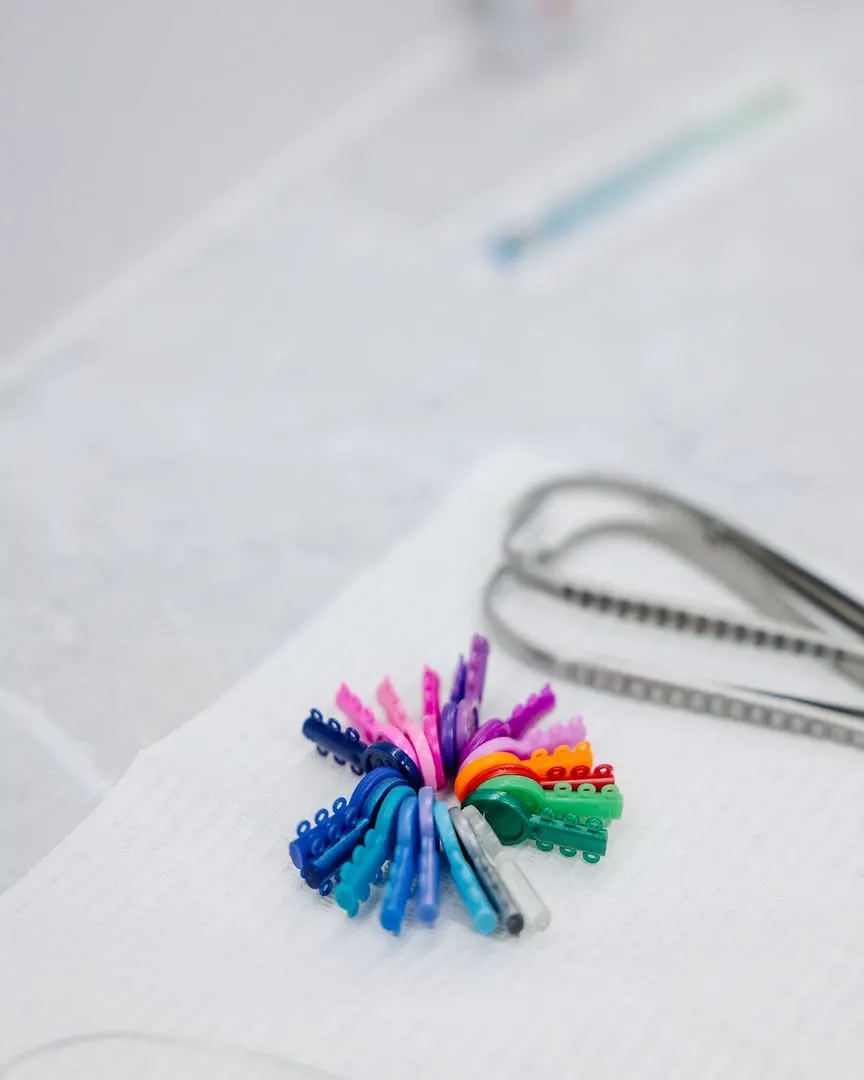 Braces and aligners
Metal braces use brackets and wires and suit more complex cases.
Updated Braces and aligners
The two main options are clear aligners, such as Invisalign, and orthodontic braces.
Updated