Keep them in.
Aligners only move teeth while they’re in. Put them back in straight after eating and brushing.

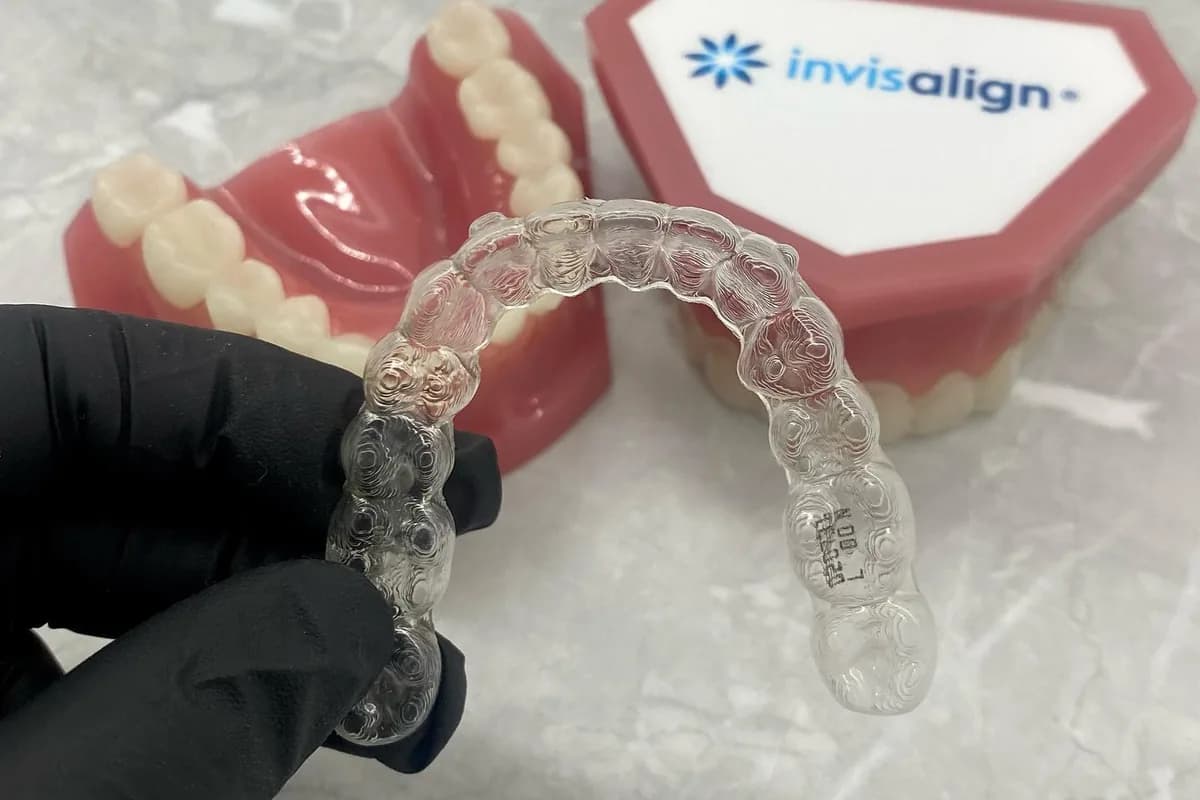
Invisalign aligners are clear, removable trays that straighten teeth gradually. We check they suit you and quote the whole treatment, retainers included.
This product is not available for purchase by the general public.
Open Monday to Saturday
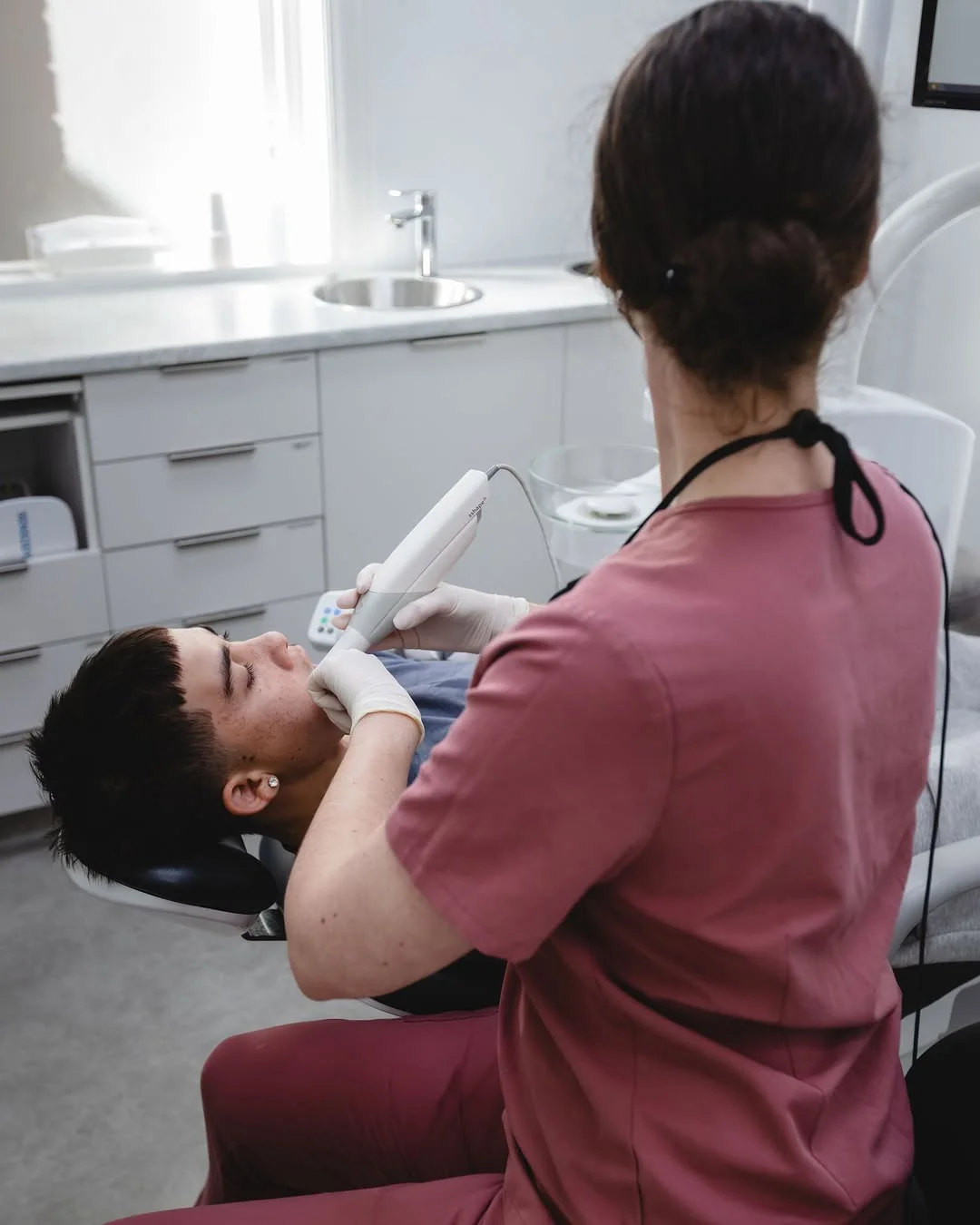
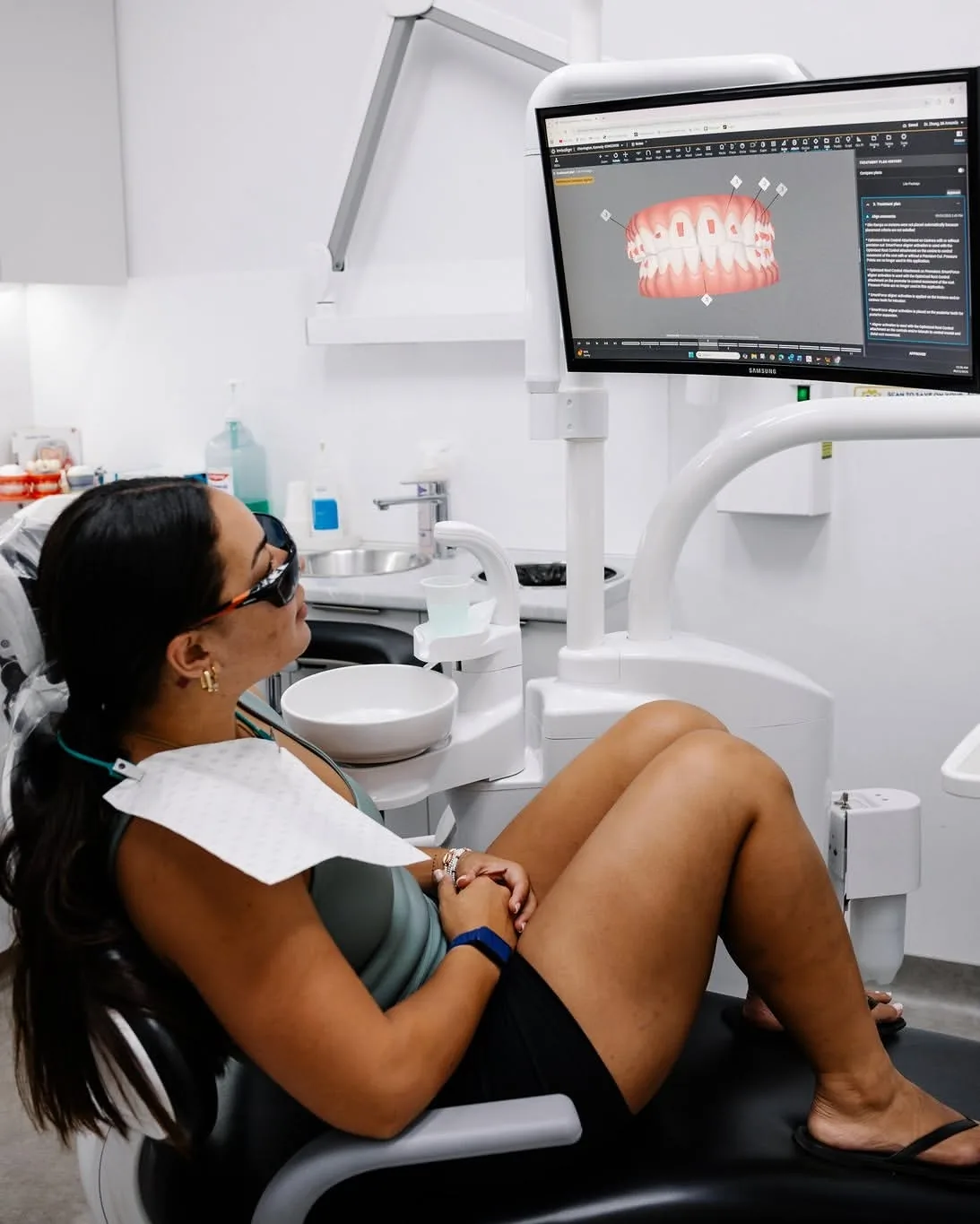
Aligners are thin, clear plastic trays made from a scan of your teeth. Each set is shaped slightly differently, and you move to the next set about every two weeks, so your teeth shift a little at a time.
They only work while you wear them, which is most of the day and night. You take them out to eat, to drink anything but water, and to brush. When treatment ends, a retainer holds your teeth in place.
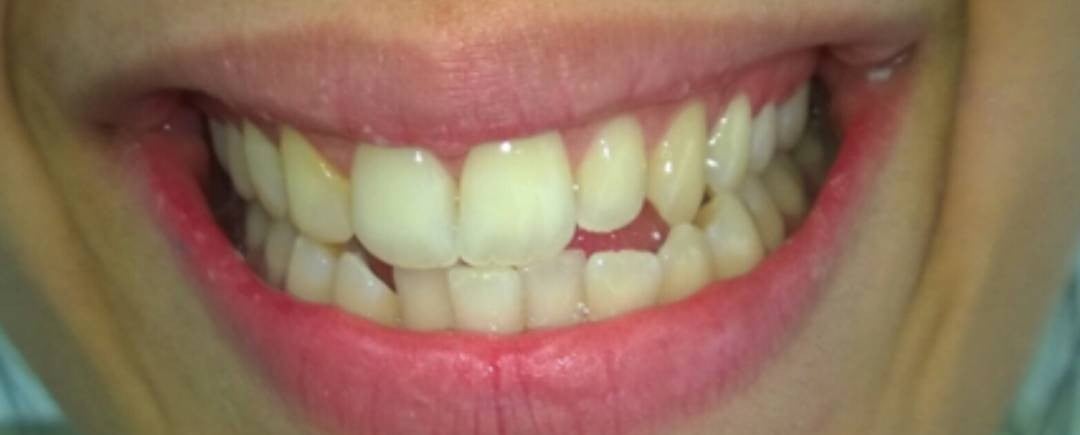
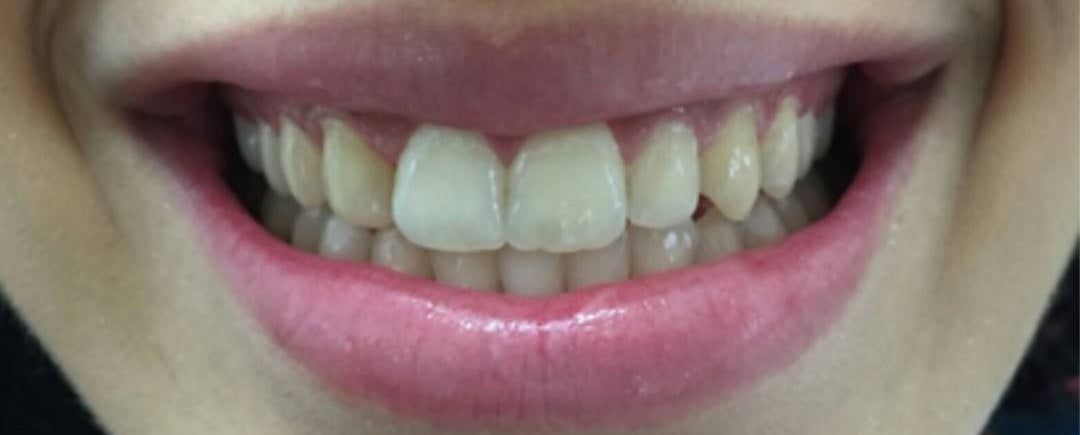
Before and after treatment at Dental Spot.
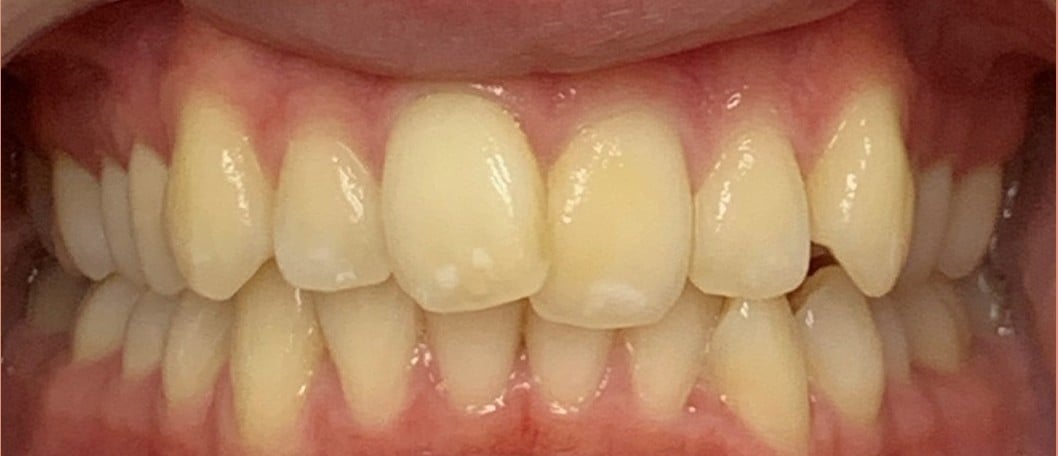
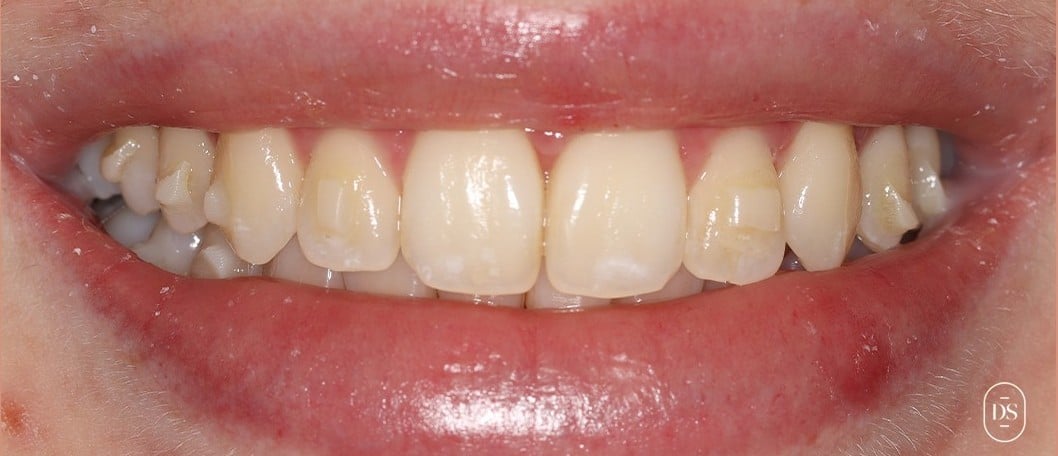
Individual results vary. Your dentist can discuss what’s appropriate for you.
View the galleryWe check your teeth, bite and gums first. Aligners suit some cases better than others.
Larger movements or a difficult bite may be better treated with braces.
Usually 20 to 22 hours a day. Aligners left in the case don’t move teeth.
Decay and gum disease are treated before we start.
There’s no upper age limit if your teeth and gums are healthy.
You see the plan, the time it should take and the cost before you commit.
A few habits keep treatment on track and your teeth healthy.
Aligners only move teeth while they’re in. Put them back in straight after eating and brushing.
Brush before you put them back in, and rinse the trays. Food or sugary drinks trapped under them can cause decay.
Small tooth-coloured bumps may be bonded to some teeth to help the aligners grip. They’re polished off at the end.
| Braces | Invisalign clear aligners | |
|---|---|---|
| How they work | Brackets bonded to your teeth, joined by a wire your dentist adjusts | Clear trays; a new set about every two weeks |
| Can you see them? | Metal shows; tooth-coloured ceramic is harder to see | Hard to see |
| Removable? | No | Yes, to eat, drink anything but water, and brush |
| Wear time | All the time, fixed | 20 to 22 hours a day |
| Usual treatment time | One to three years | Often 12 to 18 months |
| Visits | Regular adjustments | Regular check-ups |
| Food | Avoid hard, sticky and chewy food | No limits, with trays out |
| Suits | Larger movements and bite problems | Mild to moderate crowding or gaps |
Your dentist will tell you which suits your teeth, and quote the whole treatment including retainers.
Invisalign: clear aligners used to straighten teeth. This product is not available for purchase by the general public.
Your quote covers the whole treatment: the scan, your aligners, check-ups, any extra aligners for fine-tuning, and retainers. Cases that need fewer aligners usually cost less than cases that need a full course.
Fees depend on the treatment you need, so we give you an accurate quote at your consultation, before anything starts.
Some extras policies include orthodontic cover, often with a lifetime limit and a waiting period. The Child Dental Benefits Schedule doesn’t cover orthodontic treatment.
Costs and health fundsLike any dental treatment, this carries risks, and results vary from person to person. Read the risks below and ask us about your situation before you decide.
Pressure and soreness.
Teeth often feel tender for a day or two with each new set.
A slight lisp.
Some people’s speech changes for the first few days.
Decay.
Sugary drinks or food trapped under aligners can damage teeth. Brush before putting them back in.
Shorter roots.
Moving teeth can shorten their roots slightly. It rarely causes problems.
Teeth moving back.
Without wearing a retainer as directed, teeth can drift back towards where they were.
No time off.
Fitting aligners and attachments doesn’t need an injection.
Each new set.
Changing to a new set at night lets the first sore day pass while you sleep.
A lost or broken aligner.
Call us. Your dentist will tell you whether to go back a set or move ahead.
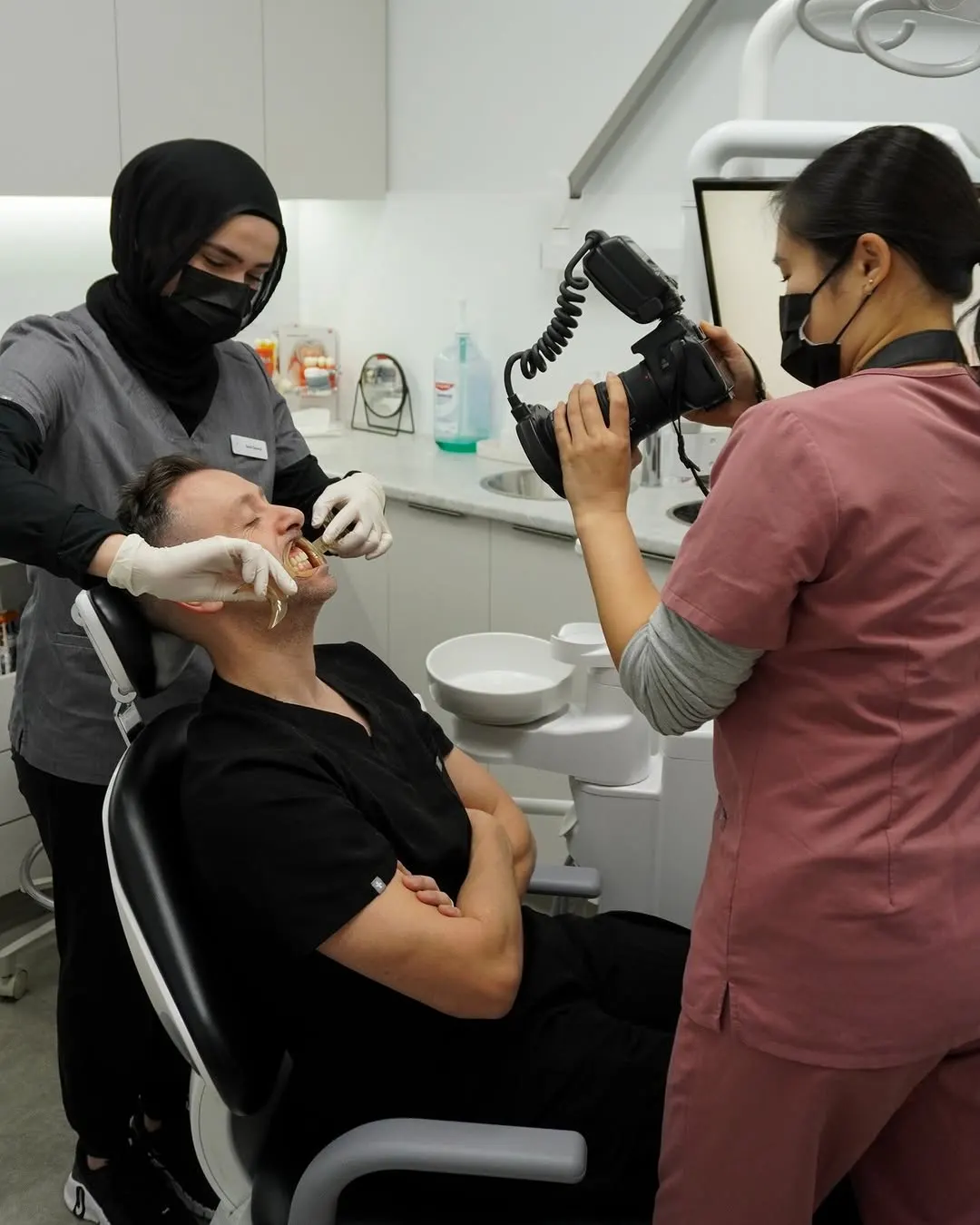
Aligner treatment is planned and checked by our general dentists. Dr Amanda Zhong, dentist, enjoys straightening teeth with clear aligners and is a registered Invisalign Go provider: the manufacturer’s program for general dentists, which isn’t a dental qualification. If your teeth need more complex treatment than we provide, we’ll tell you and refer you.
Something else on your mind? Ask us on the phone, or leave your number and we’ll call.
Request a callbackIt depends on how many aligners your teeth need, so milder cases usually cost less. Your quote covers the scan, aligners, check-ups and retainers, and you’ll have it in writing before you start. Extras cover with orthodontics may pay part, usually up to a lifetime limit.
Often 12 to 18 months. It depends on how much your teeth need to move and how consistently you wear your aligners. Your dentist gives you an estimate with your plan.
Usually 20 to 22 hours a day. You take them out to eat, to drink anything but water, and to brush and clean them.
Teeth usually feel tender for a day or two with each new set. Fitting them doesn’t need an injection.
They suit different cases. Aligners are removable and harder to see, but only work if you wear them. Braces are fixed and can handle larger movements. Your dentist will tell you which suits your teeth.
Often, if the movement is small. Many people who stopped wearing a retainer only need a short course of aligners. Your dentist will check and tell you.
Yes. Teeth tend to move back after treatment, so a retainer is part of it. Your dentist will tell you which type and how long to wear it.
If your extras cover includes orthodontics, you may get a rebate, often up to a lifetime limit and after a waiting period. Ask your fund with the item numbers from your quote.
Aligners suit mild to moderate crowding or gaps, in teens and adults. Larger movements or a difficult bite may be better treated with braces, and decay and gum disease are treated before we start.
They only work if you wear them 20 to 22 hours a day, and you take them out to eat and to drink anything but water. They suit mild to moderate cases, so larger movements or a difficult bite may be better treated with braces.
 Braces and aligners
Invisalign uses a series of custom clear trays, each shaped to the next planned position of your teeth.
Updated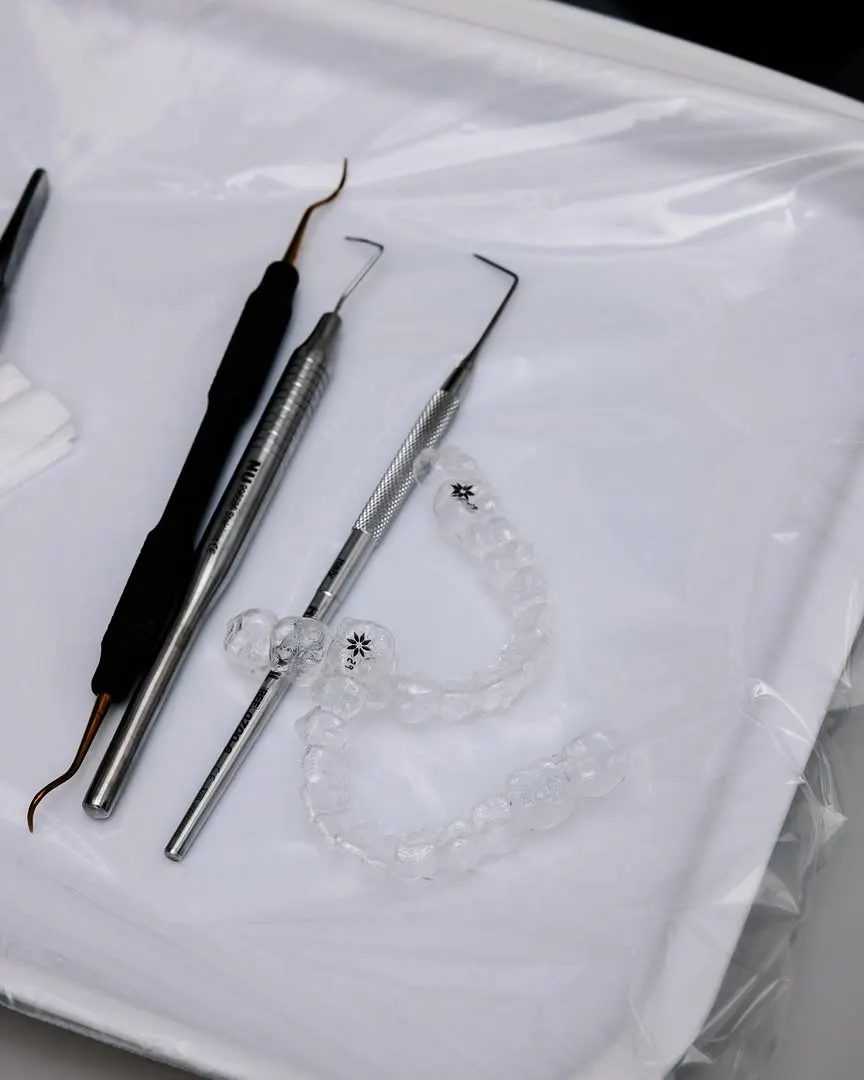 Braces and aligners
Clean your aligners with Invisalign cleaning crystals, or with a diluted hydrogen peroxide soak, antibacterial soap…
Updated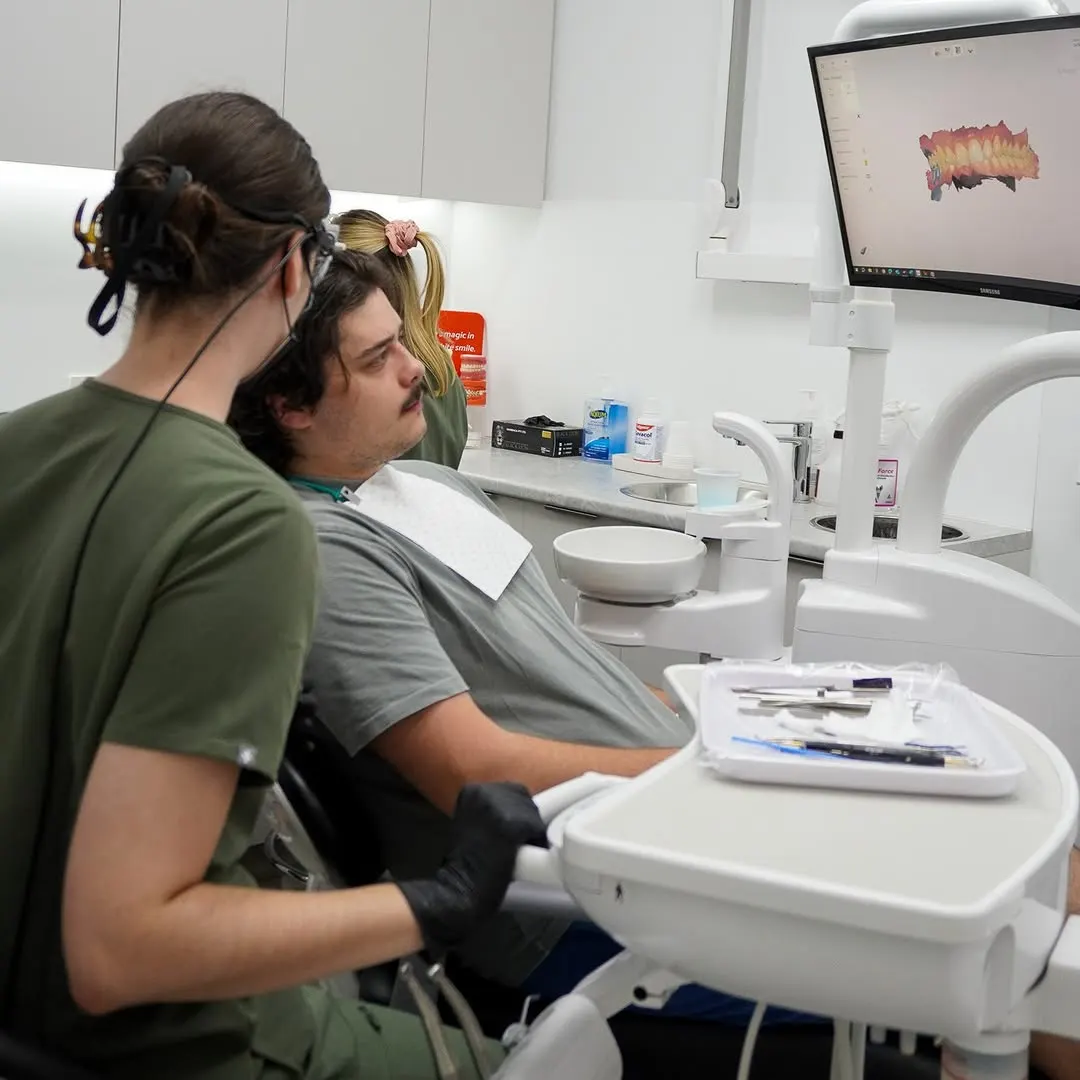 Braces and aligners
Yes, for many cases. Clear aligners such as Invisalign move teeth gradually, with a new set of custom trays every two…
Updated