Can You Have Dental Implants with Gum Disease?
The short answer.
Not until it is treated. Gum disease can cause implant failure, so your dentist treats it first, with cleaning, scaling and root planing, antibiotics or gum surgery, before implant surgery.
A dental implant is a metal post surgically placed into the jawbone. It can be used to support a dental prosthesis, such as a crown, bridge, or denture. Over time, the bone grows around the post, anchoring it in place. Once the implant is secure, the restoration can be attached to the post.
You may wonder, can you have dental implants with gum disease? Implants are not an option for everyone. If you have gum disease, it must be treated before implant surgery can be performed. This is because gum disease, also called periodontal disease, can cause implant failure. So, it is important to have healthy gum tissue for successful dental implants (see how dental implants work).
Symptoms of Gum Disease
Gum disease is an infection of the gums that progresses in stages, with symptoms becoming more severe over time:
- The early stage of periodontal disease, known as gingivitis, is characterised by inflammation of the gums. This can lead to redness, swelling, and bleeding during brushing or flossing.
- If left untreated, gingivitis can progress to periodontitis. Periodontitis can cause the gums to pull away from the teeth, resulting in pockets of infection. You may also experience bad breath and gum tenderness.
- Advanced periodontitis is distinguished by extreme gum recession, loose teeth, and bite changes. It can eventually lead to bone resorption and tooth loss.
Complications From Gum Disease
Gum disease can lead to tooth loss. It can also affect your jawbone. The bacteria from the infection can attack the bone, causing it to break down and become weak. This impacts the success of dental implants because there needs to be enough bone density for the implant to fuse with.
You also need healthy gum tissue to bond with the abutment, the connector piece between the implant post, and the artificial restoration.
You are more vulnerable to post-surgical complications without adequate bone density and gum tissue. Common after-surgery complications include peri-implantitis, an inflammation of the tissues around an implant (another site), and mucositis, an inflammation of the mucous membranes.
They can cause pain and discomfort and may make it difficult to eat or drink. In some cases, they may require medication to help manage the symptoms. Severe cases require removal of the implant and additional surgery.
Am I Still a Candidate?
You can still get dental implants even if you have gum disease. However, the success of your implant surgery may be lower if you have periodontal disease.
To ensure your dental implant surgery is successful, getting treatment for your gum disease is crucial before moving forward. If you’re unsure whether you have periodontal disease, ask your dentist for an exam.
Treating Gum Disease Before an Implant
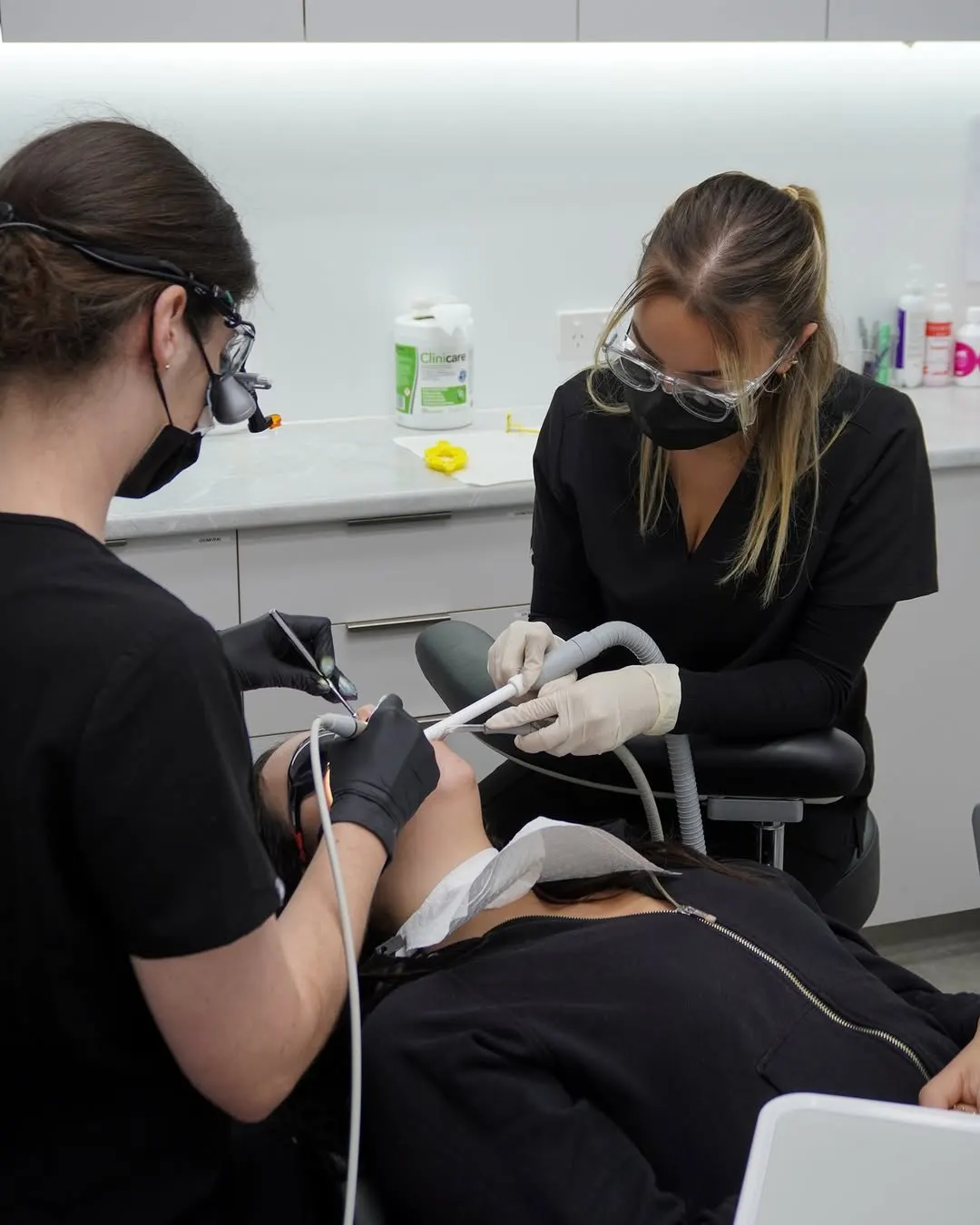
Treatment for gum disease usually involves a combination of professional cleaning, medication, and at-home care (see how gum disease is treated). In some cases, surgery may also be necessary. Common treatments include:
Scaling and Root Planing
Scaling and root planing is a standard dental procedure to treat gum disease. The procedure involves removing plaque and tartar from the teeth and gums. This can be done with hand instruments or ultrasonic devices.
Once the teeth and gums are clean, your dentist smooths out any rough spots on the tooth roots. This helps to prevent bacteria from growing in these areas and causing further inflammation.
Antibiotics
Antibiotics typically prescribed for gum disease are penicillin and tetracycline (another site). They work by killing the bacteria that cause periodontal disease. They are usually taken orally in the form of pills or liquids. They are sometimes given as a gel or ointment applied directly to the gums.
Antibiotics can be taken for a few weeks or months, depending on the severity of the gum disease.
Gum Flap Surgery
Gum flap surgery is a periodontal surgery used to gain access to the tooth root so it can be cleaned. The procedure, also known as a gingival flap procedure, involves:
- Numbing the gums with local anaesthesia. This helps ensure you’re comfortable during the surgery.
- Exposing the tooth root by carefully lifting the gum tissue away from the tooth, so it can be cleaned. Damaged bone tissue may also be removed during this step.
- Repositioning and suturing the tissue into place. The entire procedure usually takes about an hour to complete.
Gum flap surgery is generally considered safe and effective for treating periodontal disease. However, risks include bleeding, infection, and discomfort.
Gum Graft
A gum graft is used to correct gum recession. Gum recession is when the gum tissue around the teeth wears away, exposing the tooth root. The gum graft procedure involves taking tissue from another area of your mouth and transplanting it to the area of recession using a growth matrix.
The transplanted tissue attaches to the existing gum tissue and provides coverage for the exposed root.
In some cases, artificial tissue may be used instead of natural tissue. The specific type of graft used depends on your gum recession’s severity and overall oral health.
Sources
- Awareness and management of peri-implantitis and peri-mucositis (another site), Journal of Indian Society of Periodontology, 2020
- What are antibiotics? (another site), healthdirect
This guide is general information, not advice about your own teeth. Your dentist can tell you what applies to you, including the risks of any treatment.
Any surgical or invasive procedure carries risks. Before proceeding, you should seek a second opinion from an appropriately qualified health practitioner.