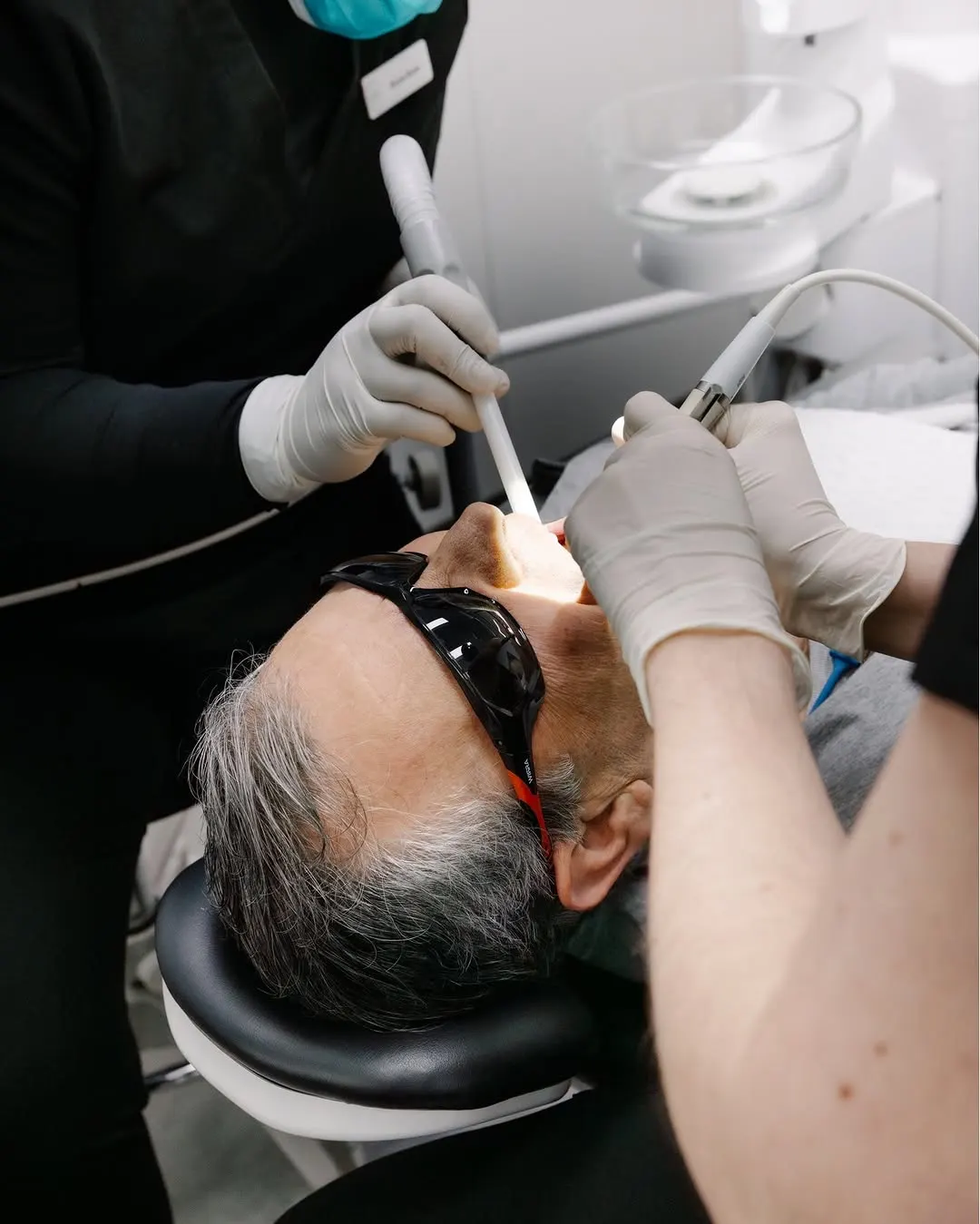
What Are Dental Implants and How Do They Work?
The short answer.
A dental implant is a small titanium post placed in the jawbone to act as a replacement tooth root, topped with a crown. Treatment runs from consultation and placement through healing to the crown, and your dentist checks whether implants suit you.
Losing a tooth can affect more than just your smile: it can affect your confidence, the way you eat, and even your overall oral health. That’s where dental implants come in. If you’ve been wondering what are dental implants and why they’ve become one of the most popular options for replacing missing teeth, you’re not alone. A dental implant is a small, biocompatible titanium post that is surgically placed into the jawbone to act as a replacement tooth root. Through the dental implants procedure, this post integrates with your bone and provides a strong foundation for a natural-looking crown, bridge, or even full dentures.
Modern dental technology has made implants one of the most reliable long-term solutions for restoring smiles. In this guide, we’ll walk you through the process for dental implants, show you what to expect before and after, and help you decide whether they’re the right option for you.
What Are Dental Implants?
When people ask what dental implants are, the simplest answer is that they are artificial tooth roots designed to replace missing teeth for the long term. Unlike removable dentures or traditional bridges, dental implants are fixed in place and integrate with your jawbone, giving you both strength and stability.
A complete dental implant is made up of three parts:
- Implant post: a small titanium or ceramic screw that is surgically placed into the jawbone to act as a replacement root.
- Abutment: the connector that attaches to the implant post and supports the final restoration.
- Crown: a custom-made prosthetic tooth that sits on top of the abutment, designed to look and function just like your natural teeth.
Because of this structure, dental implants can be used in a variety of tooth loss scenarios. Whether you’ve lost a single tooth, multiple teeth, or even need a full arch replacement, implants can provide a tailored solution. They not only restore your smile’s appearance but also preserve jawbone health and improve overall oral function.
The Step-by-Step Procedure of Dental Implants
Understanding dental implant procedures can help ease concerns and give you a clear picture of what lies ahead. While it may vary slightly depending on your needs, most treatments follow four key stages:
Initial Consultation and Assessment
Your journey begins with a comprehensive consultation. During this stage, your dentist will review your medical history, take X-rays or 3D scans, and create a personalised treatment plan. This step ensures that your gums and jawbone are healthy enough to support an implant and identify whether additional treatments, such as bone grafting, may be necessary.
Implant Placement Surgery
The first procedure involves surgically inserting the implant post into the jawbone under local anaesthesia or sedation. The post acts as the artificial root and provides a stable foundation for the future restoration. After this minor surgery, the discomfort is often compared to a routine tooth extraction.
Healing and Osseointegration
Once the post is in place, the healing phase begins. Over the next few months, a process called osseointegration occurs, where the bone naturally fuses with the implant post. This stage is critical for ensuring long-term stability, as it allows the implant to function like a natural tooth root.
Abutment and Crown Fitting
After successful integration, an abutment is attached to the implant. This connector supports the custom-made crown, bridge, or denture, which is carefully designed to match the colour, shape, and size of your natural teeth. The final restoration completes the procedure, leaving you with a replacement tooth that looks and functions just like the real thing.
Before and After Dental Implants: What Changes
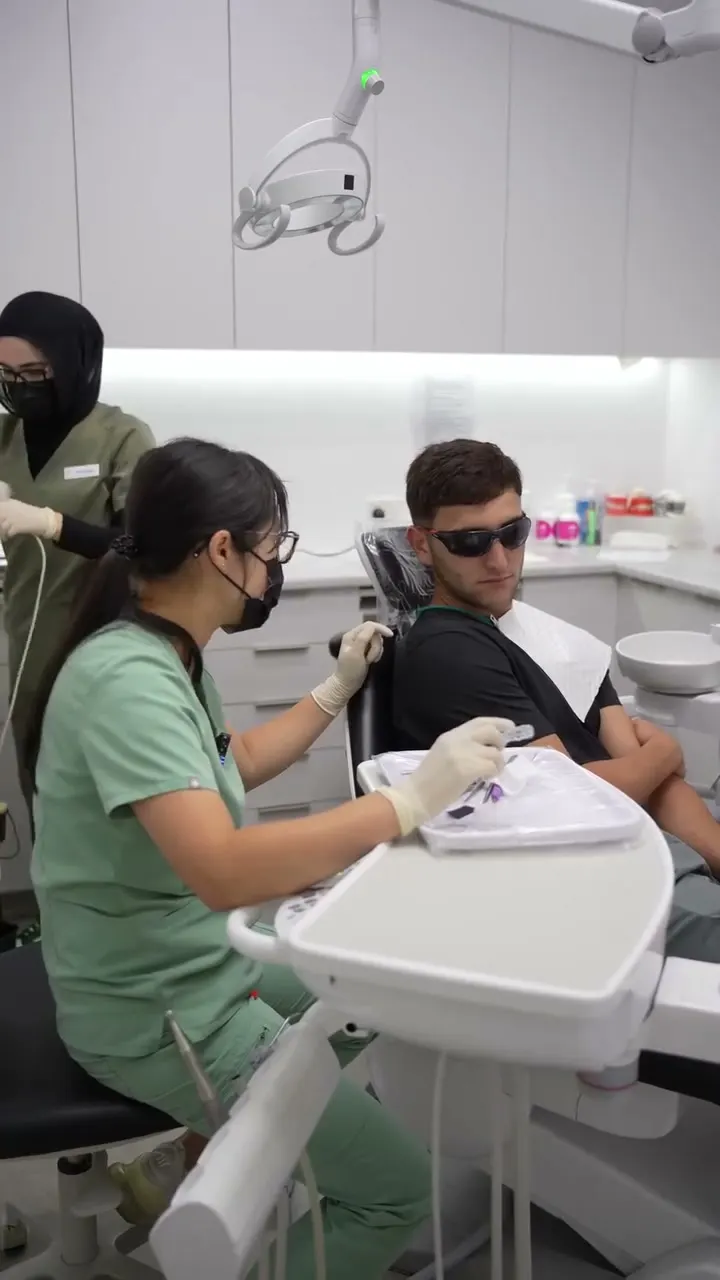
Before treatment, gaps or loose dentures can affect your smile, chewing, and confidence. After implants, patients enjoy teeth that look natural, feel secure, and function like the real thing.
Healing usually involves mild swelling or soreness in the first week, followed by a 3 to 6 month period where the implant fuses with the bone. Once healed, the abutment and crown are fitted, leaving you with a strong, long-lasting smile that restores both appearance and function.
Different Types of Dental Implants
There are several different types of dental implants available, each suited to specific needs. Understanding these different types can help you and your dentist decide on the most effective treatment.
Single Tooth Implants
Suited to replacing a single missing tooth, this option preserves the health of surrounding teeth and maintains jawbone integrity.
Implant-Supported Bridgework
Used when multiple teeth are missing, an implant-supported bridge offers stability without relying on neighbouring natural teeth for support.
All-on-4 Implants
All-on-4 implants are a cost-effective choice for patients needing a full arch replacement. Just four strategically placed implants support a complete set of prosthetic teeth, offering strength, function, and aesthetics.
How Long Do Dental Implants Last?
One of the most common questions patients ask is, how long do dental implants last? A 2019 review of studies that followed implants for ten years found about 96 in 100 were still in place (another site) (Howe, Keys and Richards, Journal of Dentistry, 2019). Their longevity depends on several factors, including:
- Oral hygiene: Brushing, flossing, and maintaining good gum health.
- Dental check-ups: Regular visits ensure early detection of any issues.
- Lifestyle choices: Smoking, excessive alcohol, and teeth grinding can shorten implant lifespan.
How Much Are Dental Implants?
A common question people have are how much dental implants cost. When it comes to this, it’s important to know that prices vary. Costs depend on:
- The number of implants required.
- The type of implant (single, bridgework, or All-on-4).
- The materials used and the complexity of your case.
Although implants may seem like a larger upfront investment compared to bridges or dentures, they are designed for long-term use. They help preserve jawbone, restore natural function, and reduce the likelihood of future dental complications, making them a cost-effective solution over time. Ask us for a written quote for your case.
Are Dental Implants Right for You?
Not everyone is an ideal candidate, so suitability depends on several factors:

- Bone density: Adequate jawbone is needed to anchor implants.
- Oral health: Healthy gums are essential for healing and support.
- Commitment to aftercare: Good hygiene and follow-ups are critical.
Certain conditions, such as uncontrolled diabetes, gum disease, or smoking, can increase the risk of implant failure. A thorough consultation with your dentist will determine the most suitable course of action.
Read next
- The stages of dental implants: the procedure step by step
- What dental implants look like: the parts and types
- How much a dental implant costs
- Tooth implant pros and cons: whether they’re worth it
- Bone grafts for dental implants: if you’ve lost bone
Talk to Us
Dental implants offer one of the most reliable, long-lasting solutions for replacing missing teeth. From restoring function to appearance, they are an investment in both health and quality of life.
If you’re considering treatment, the next step is a consultation to discuss your options, assess your oral health and plan your care.
This guide is general information, not advice about your own teeth. Your dentist can tell you what applies to you, including the risks of any treatment.
Any surgical or invasive procedure carries risks. Before proceeding, you should seek a second opinion from an appropriately qualified health practitioner.