
All-on-4implantsin Croydon.
A fixed row of teeth on four to six implants, for people missing most or all of their teeth in one jaw. We assess you and plan it here, and refer you to a surgeon for the surgery.
Open Monday to Saturday
The short answer.
- What it is
- A fixed row of teeth on four to six implants in one jaw. You don’t take it out: your dentist does, at reviews.
- Surgery
- One of our dentists assesses you and plans it here. A surgeon we refer you to does the surgery, and we tell you who before you decide.
- How long
- Usually several months: temporary teeth within days of surgery, final teeth a few months later.
- Cost
- It depends on one jaw or both, extractions, bone grafting and what the final teeth are made of. The surgeon may quote the surgery separately, so we go through every part at your assessment and you get the costs in writing before you decide.
- Does it hurt
- The surgery is done under anaesthetic, and sedation may be an option. Swelling, bruising and soreness are common for several days.
A whole arch
on four implants.
All-on-4 replaces a full row of teeth in the upper or lower jaw. Four to six implants are placed in the jawbone, and a fixed bridge of teeth is screwed onto them. You don’t take it out: your dentist does, at reviews.
Most people get temporary teeth within days of surgery, then their final teeth a few months later, once the implants have healed into the bone. Not everyone has enough bone, and a scan tells us.
Could All-on-4
suit you?
It’s a big decision. We look at your health, your bone and the alternatives with you before anything is booked.
You’re missing most of your teeth in one jaw.
Or the teeth you have left can’t be saved.
Your denture moves or rubs.
And you’d prefer teeth that stay fixed in place.
You have enough jawbone.
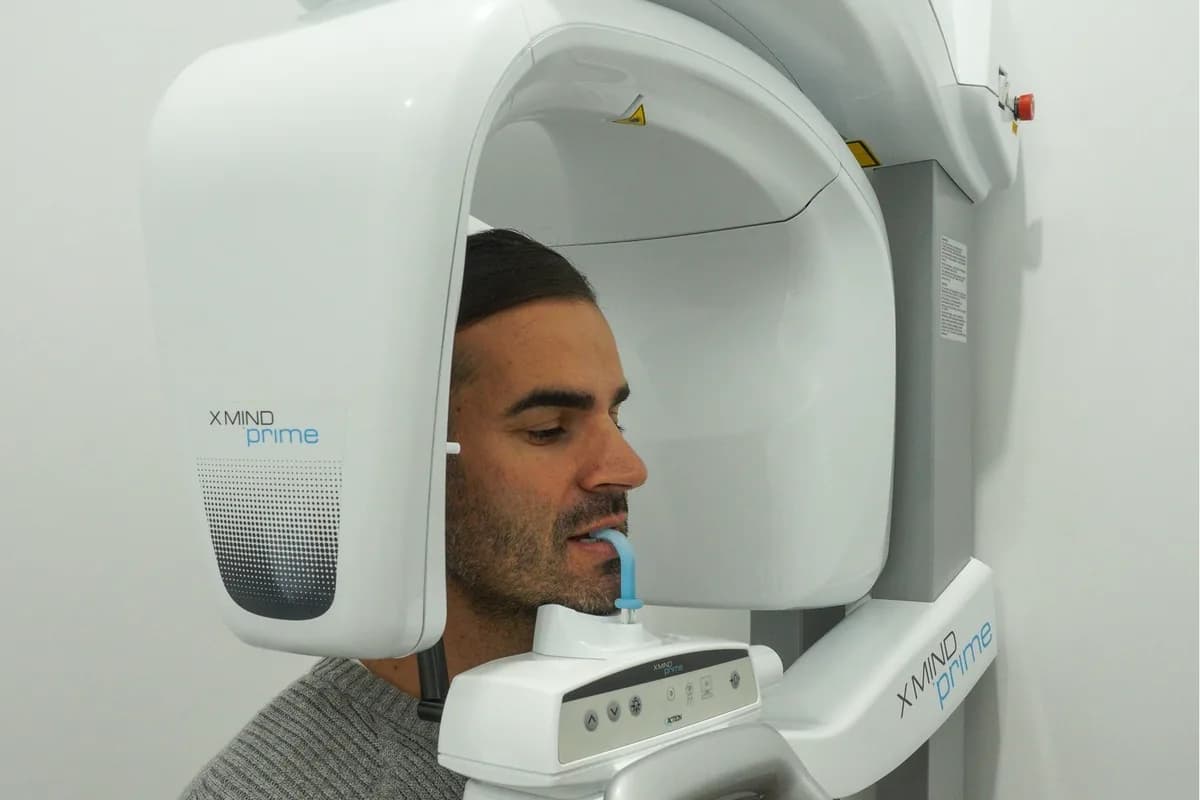
A 3D scan shows how much bone there is. Some people need grafting or a different option.
Your health allows surgery.
Smoking, uncontrolled diabetes, gum disease and some medicines raise the risk of implants failing.
From first visit to final teeth.
The whole process usually takes several months. We assess and plan here, and a surgeon we refer you to does the surgery.
We assess you.
Your mouth, your health and medicines, X-rays and a 3D scan of your jaw.We plan it with you.
Whether it suits you, the alternatives and the stages, then a referral to the surgeon.The implants go in.
The surgeon removes teeth that can’t be saved and places the implants, usually in one surgery.Temporary teeth.
A fixed temporary bridge is usually fitted within days, for eating soft food while you heal.Final teeth.
After a few months of healing, your final bridge is made and fitted, then checked at regular reviews.
All-on-4, an implant denture or a full denture?
| Option | Implants | Fixed or removable | Surgery | Cleaning | Cost up front |
|---|---|---|---|---|---|
| All-on-4 | Four to six | Fixed; your dentist removes it at reviews | Yes | Brush, and clean under the bridge daily | The most |
| Implant denture | Two or more | Clips in; you take it out to clean | Yes | Take it out and clean it daily | Less than All-on-4 |
| Full denture | None | Removable | No | Take it out and clean it daily | The least |
What All-on-4 costs.
The cost has more than one part: our assessment, scans and planning, and the surgery and implants, which the surgeon may quote separately. We go through every part with you before you decide.
Ask us about the cost at your assessment.
What changes the price.
- One jaw or both.
- Extractions, and bone grafting if you need it.
- Scans, and sedation if it suits you.
- What the final teeth are made of.
- Reviews, cleaning and repairs over the years.
Health funds and claiming.
Medicare doesn’t cover dental implants for most adults. Some extras policies pay a rebate under major dental, usually with an annual limit and after a waiting period. Ask your fund with the item numbers from your quote.
Costs and health fundsRisks and recovery.
Like any dental treatment, this carries risks, and results vary from person to person. Read the risks below and ask us about your situation before you decide.
What can go wrong.
Infection.
Around the implants after surgery, or later if they aren’t kept clean.
An implant not healing in.
Some implants don’t bond to the bone and need removing or replacing. Smoking and diabetes raise the risk.
Nerve injury.
Lower-jaw implants can affect the nerve, causing numbness or tingling in the lip or chin. It is often temporary.
Sinus problems.
Upper-jaw implants sit near the sinuses and can affect them.
Breakage and wear.
The teeth on the implants can chip, wear or break, and need repairing or replacing over time.
Recovery.
The first week.
Swelling, bruising and soreness are common. Most people take a few days off work.
Soft food for months.
Until the implants heal and your final teeth are fitted.
For as long as you have them.
Cleaning under the bridge every day, and regular reviews and professional cleans.
Who you’ll see.
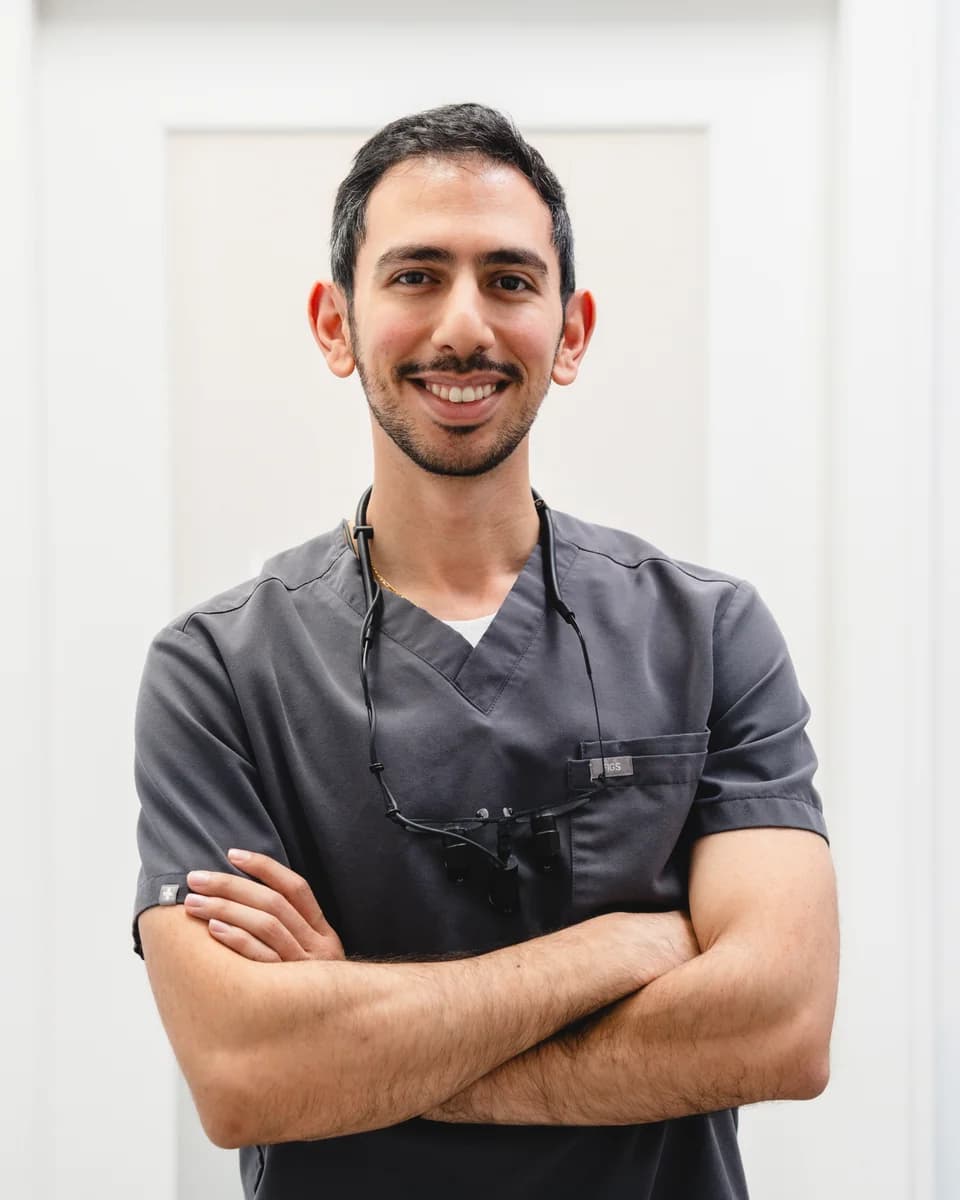
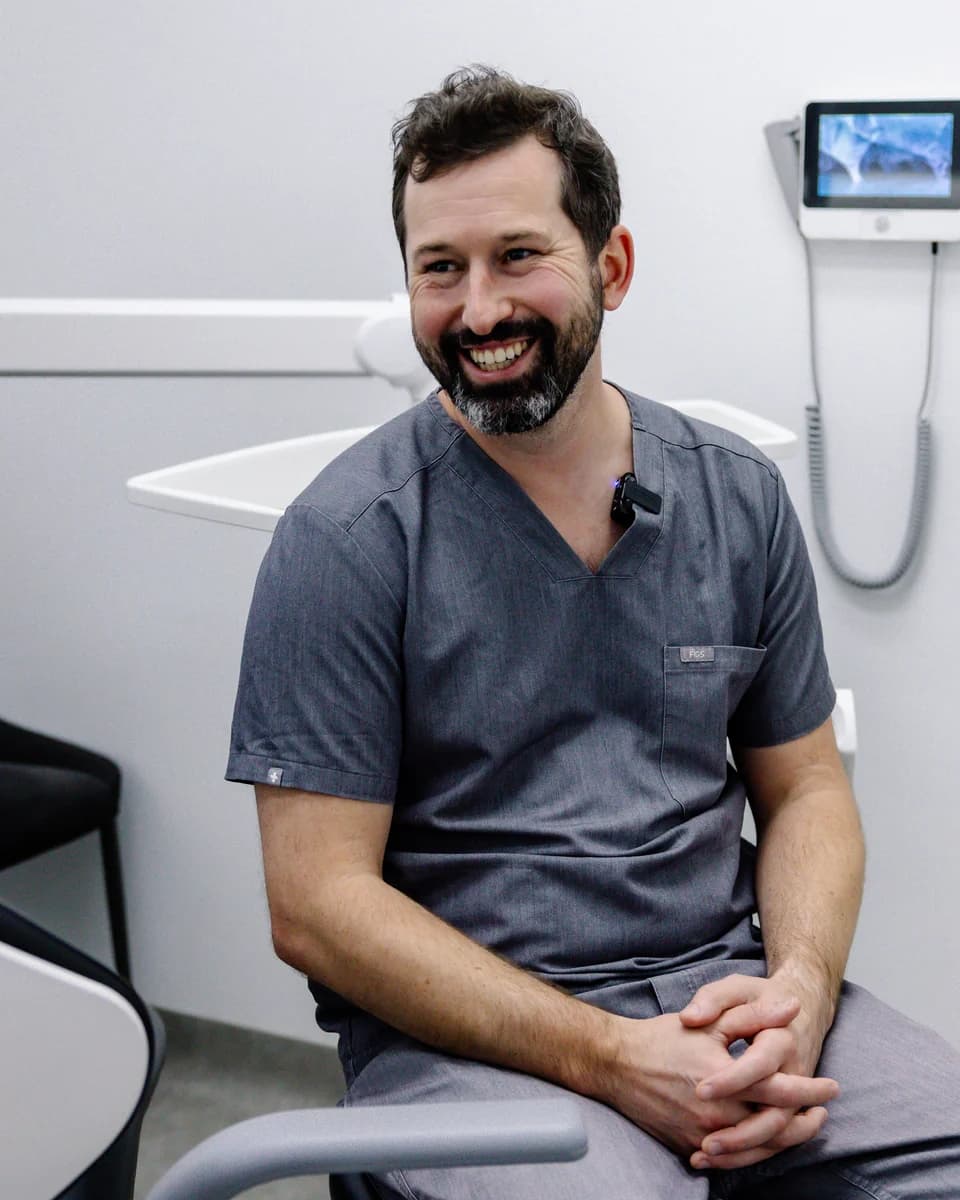
One of our dentists assesses you and plans your treatment here. The surgery is done by a surgeon we refer you to, and we tell you who before you decide.

Questions we’re
often asked.
Something else on your mind? Ask us on the phone, or leave your number and we’ll call.
Request a callbackIs the surgery done at Dental Spot?
No. One of our dentists assesses you and plans your treatment here, then we refer you to a surgeon for the surgery. We tell you who that is before you decide.
How much does All-on-4 cost?
It depends on one jaw or both, extractions, bone grafting and what the final teeth are made of. Because the surgery is referred, you get the costs of each part in writing before you decide.
Can I get new teeth in a day?
Many people get a fixed temporary bridge within days of surgery, if the implants are stable enough. Your final teeth come a few months later, after the implants have healed. Your dentist will tell you whether that applies to you.
Am I suitable for All-on-4?
It depends on your health and how much jawbone you have. A 3D scan shows the bone. Smoking, uncontrolled diabetes, untreated gum disease and some medicines make implants more likely to fail.
Does it hurt?
The surgery is done under anaesthetic, and sedation may be an option. Swelling, bruising and soreness are common for several days afterwards, and your surgeon will tell you what pain relief to take.
What happens in the two months after surgery?
You’re usually wearing the temporary bridge and eating soft food while the implants heal into the bone. Swelling settles in the first week or two. Your final teeth are made once healing is checked, a few months after surgery.
Can All-on-4 implants fail?
Yes, some implants don’t heal into the bone or loosen later. Smoking, uncontrolled diabetes, gum disease and grinding raise the risk. A failed implant can often be replaced after the area heals. Your surgeon will tell you the risk for your case.
How long do All-on-4 implants last?
With daily cleaning and regular reviews, implants can last many years. The teeth on them wear, chip or break over time and need repairing or replacing. Ask your dentist what to expect for your case.
How do I clean All-on-4 teeth?
Brush them like natural teeth and clean under the bridge every day with the brushes or water flosser your dentist recommends. Regular professional cleans and reviews keep the implants healthy.
Is All-on-4 better than dentures?
It’s fixed in place and doesn’t move when you eat, but it costs more and needs surgery. A denture or an implant denture can work well for many people. We’ll go through the options with you.
Read more in our patient guides.
 Dental implants
How Much Do All-on-4 Dental Implants Cost?
The cost of All-on-4 implants depends on your location, your dentist's experience and whether you need extra work such…
Updated Dental implants
Full Mouth Dental Implants: Options and Costs
The cost depends on how complex the surgery is, including any bone grafting, how many implants you need, the materials…
Updated Dental implants
Dental Implants or Dentures?
It depends on your bone density, health, lifestyle and budget.
Updated