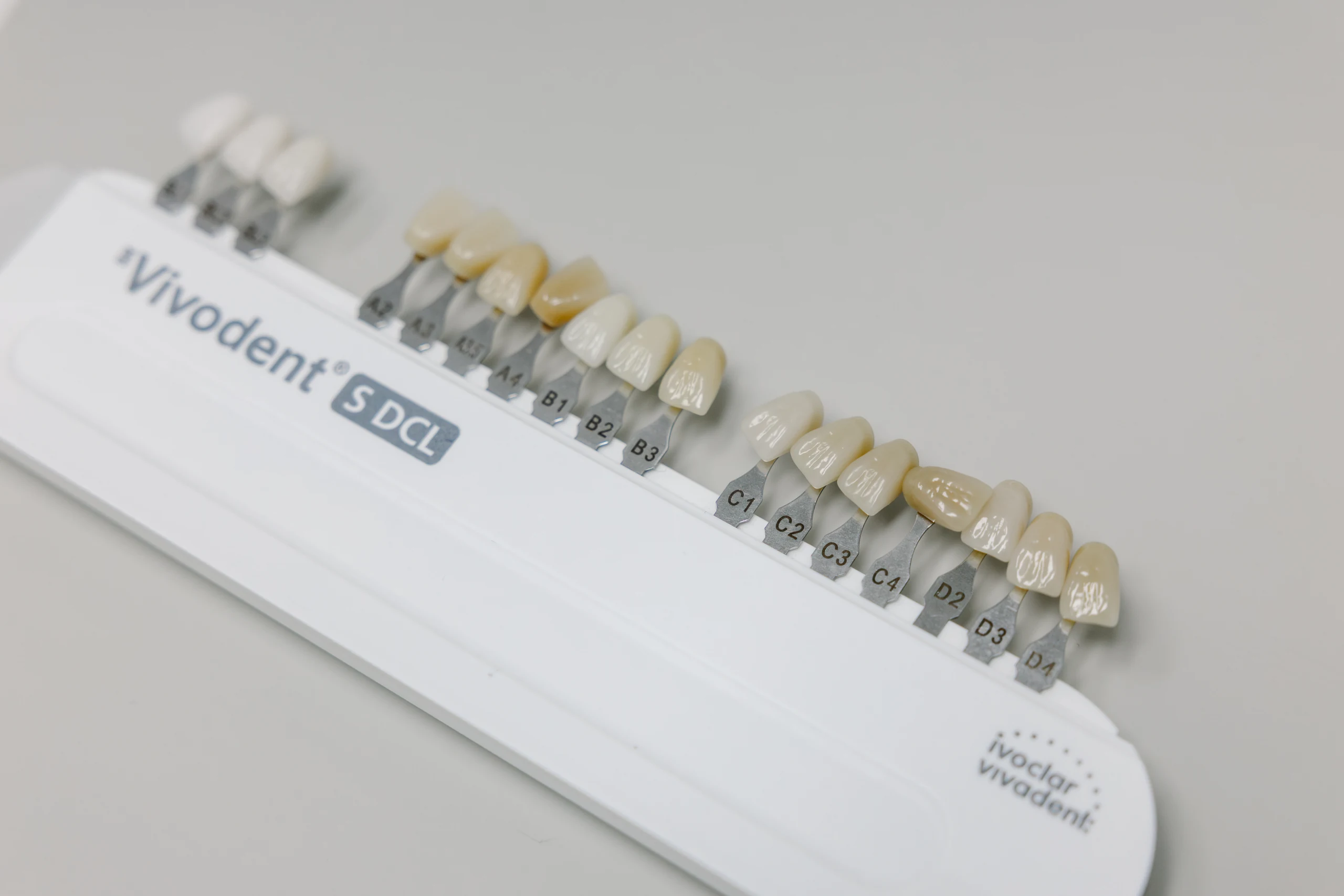
Crown materials.
Porcelain or ceramic matched to your teeth, or gold for a back tooth that takes heavy biting. Your dentist will explain which suits the tooth.

A crown covers and protects a weak tooth. A bridge replaces a missing one. Both are made in our own lab, upstairs at 7 The Strand.
Open Monday to Saturday
A crown is a custom-made cover for the whole visible part of a tooth. It protects a tooth that’s cracked, heavily filled or weak after root canal treatment, and gives it back its shape.
A bridge fills the gap left by a missing tooth: a false tooth held in place by crowns on the teeth either side. Both are matched to the colour of your teeth.
Large fillings can split a tooth. A crown holds it together.
A crown protects it from cracking. Root canal treatment
A bridge suits most when the teeth either side need crowns anyway. If they’re healthy, an implant or denture may suit you better.
Usually two appointments. We explain each step first, and you can ask us to pause.
There’s usually more than one way to fix a tooth. We’ll explain each for your situation.
Porcelain or ceramic matched to your teeth, or gold for a back tooth that takes heavy biting. Your dentist will explain which suits the tooth.
A bridge relies on the teeth either side, which are shaped for crowns. An implant replaces the root on its own, but it involves surgery and takes months.
Replaces one or more teeth without shaping the teeth beside them, and comes out for cleaning. Also made in our lab.
Crowns and bridges are made for you, so the price depends on the tooth, the material and, for a bridge, how many teeth it replaces. Ask for your quote to include any filling or root canal treatment the tooth needs first, so you see the total. What a crown costs, and what’s charged separately
Fees depend on the treatment you need, so we give you an accurate quote at your consultation, before anything starts.
Ask your fund what it pays for the item numbers on your quote. You can claim on the spot through HICAPS; your rebate depends on your cover.
Costs and health fundsLike any dental treatment, this carries risks, and results vary from person to person. Read the risks below and ask us about your situation before you decide.
Sensitivity after the tooth is shaped.
Usually settles within a few weeks.
The nerve can be affected.
Shaping a tooth can inflame the nerve, and the tooth may need root canal treatment later.
A crown can chip, loosen or come off.
It can often be re-cemented or repaired. Keep it and call us.
Decay at the edge.
The tooth under a crown can still decay, so cleaning along the gum line matters.
A bridge depends on the teeth either side.
They lose healthy enamel to hold it, and if one fails, the bridge may need redoing.
Go easy on the temporary.
Avoid sticky and very hard food on that side, and slide floss out sideways.
A few days to get used to it.
A new crown can feel different at first. If your bite feels high, we’ll adjust it.
Clean under a bridge.
Use a floss threader or small brushes under the false tooth each day.
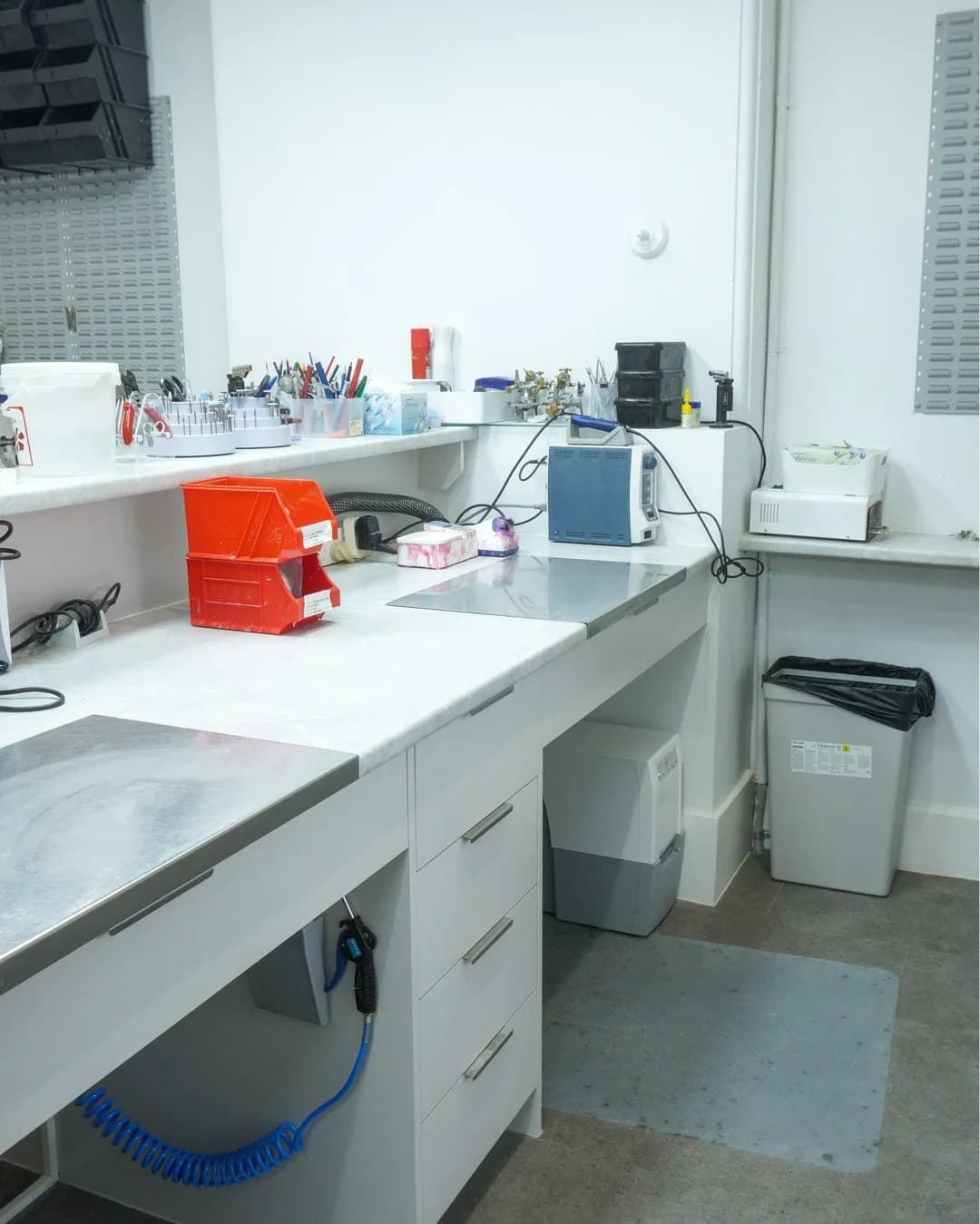
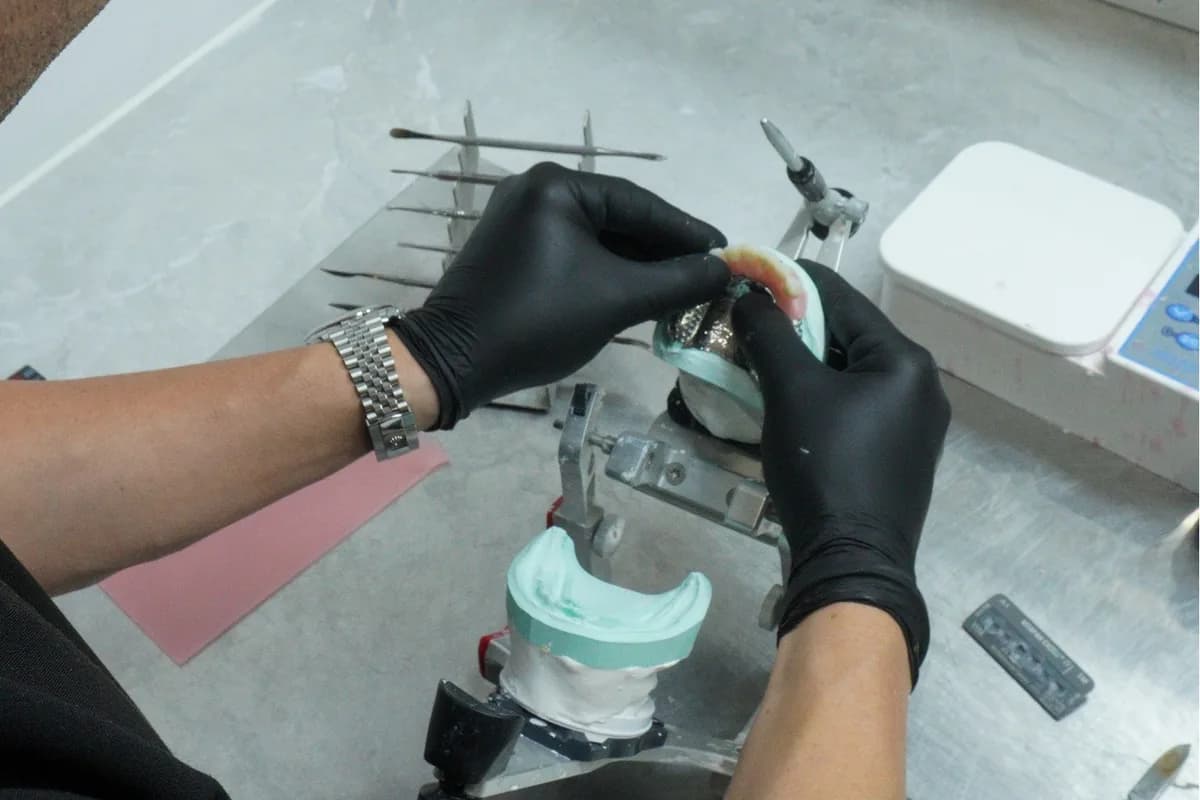
Your crown or bridge is made by our own lab team, upstairs at Dental Spot. If the colour or shape needs a change, the people who made it are in the building.
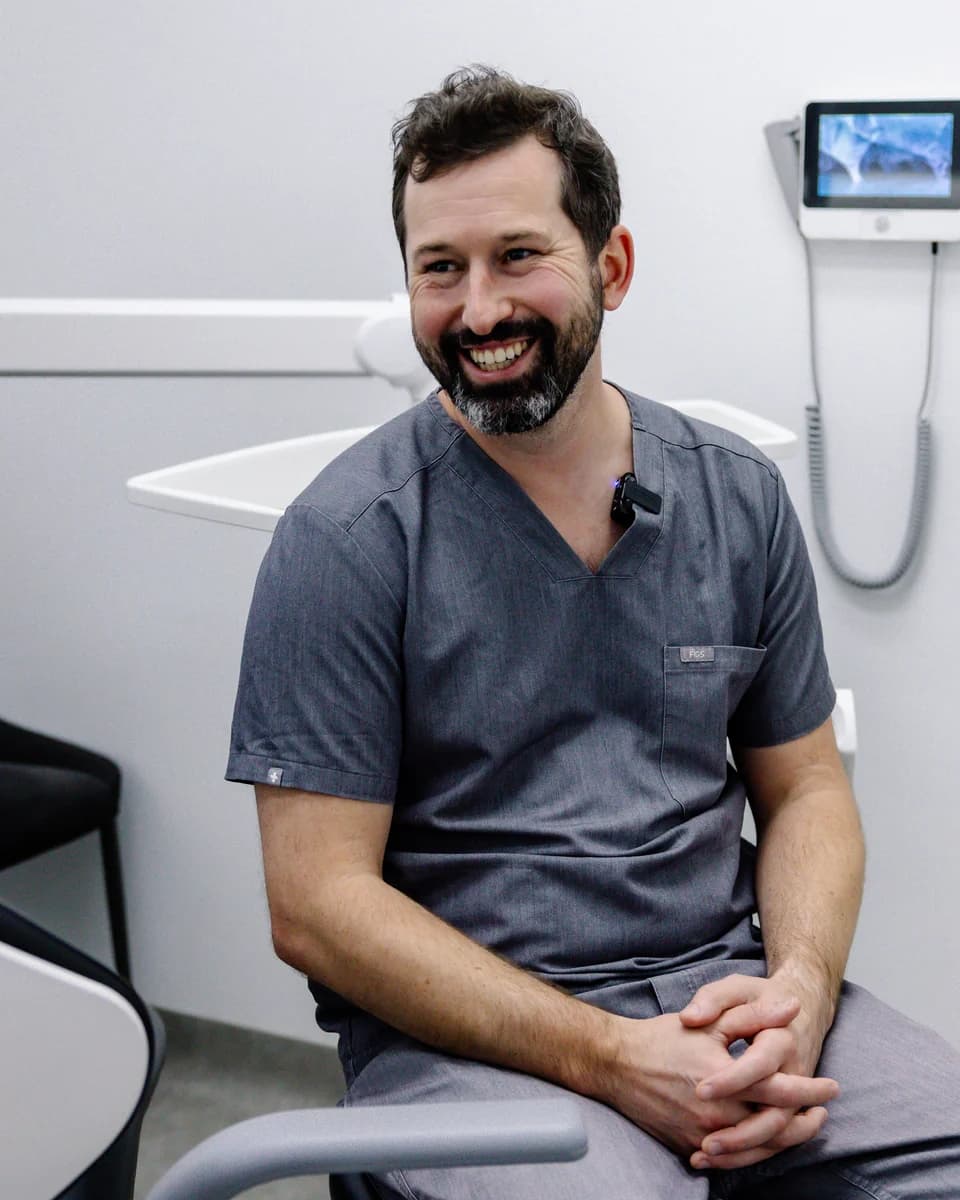
Any of our dentists can plan and fit your crown or bridge, and our lab team makes it. If you’d like Dr James Pomfret, who enjoys crowns and bridges, ask for him when you call.
Something else on your mind? Ask us on the phone, or leave your number and we’ll call.
Request a callbackMany crowns last for years. How long depends on the material, the tooth, your bite, whether you grind your teeth, and how you look after it.
The tooth is numbed while it’s prepared, so most people feel pressure while we work. It can be tender or sensitive for a few days afterwards.
Usually two: one to prepare and scan the tooth, and one to fit the crown once our lab has made it.
Keep it and call us. You can usually press it back on gently to protect the tooth until we see you. Don’t glue it yourself.
Neither is right for everyone. A bridge is quicker and needs no surgery, but relies on the teeth either side. An implant leaves those teeth alone but involves surgery and takes months. We’ll explain both for your situation.
It depends on the tooth. Porcelain and ceramic are matched to the colour of your teeth and suit most teeth. Gold is very strong and suits a back tooth that takes heavy biting. Your dentist will explain which suits your tooth and why.
Tell us. A large filling can sometimes protect the tooth for a while, though it’s weaker than a crown and the tooth may crack. We’ll explain the risk of waiting and the cost of each option, so you can decide.
No. Whitening doesn’t change the colour of a crown. If you’d like whiter teeth, whiten first so we can match the crown to the new shade.
Yes. Decay can start at the edge where the crown meets the tooth, which is why check-ups look at crowns too. Brushing, cleaning between your teeth and keeping sugar to mealtimes help a crown last.
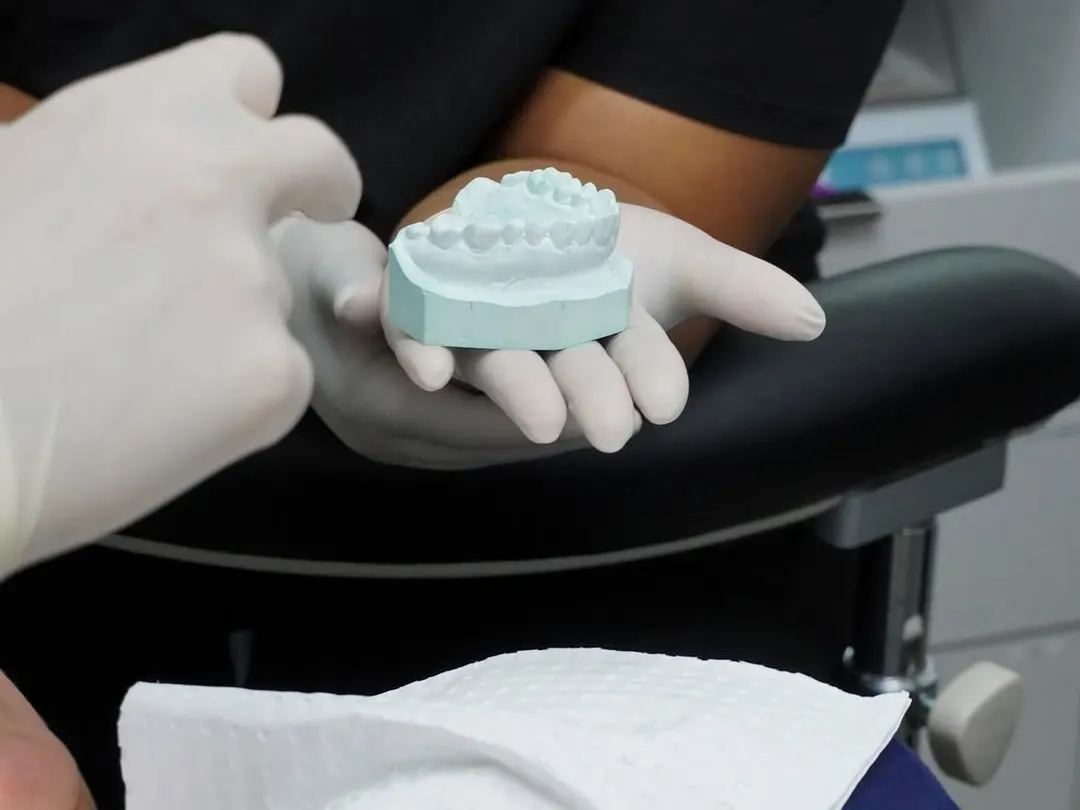 General dentistry
You may need a crown to protect a tooth that is badly damaged, decayed, worn or heavily filled, to restore a tooth after…
Updated Cosmetic and whitening
Veneers cover the front of teeth with minor cosmetic problems such as stains, chips or small gaps, and can't be undone.
Updated Dental implants
Implants replace the tooth root and don't rely on neighbouring teeth, but need surgery in stages over several months and…
Updated