New clips.
The clips wear and loosen, and replacing them is the most common upkeep on lower implant dentures, a 2012 systematic review found. How often varies from person to person.

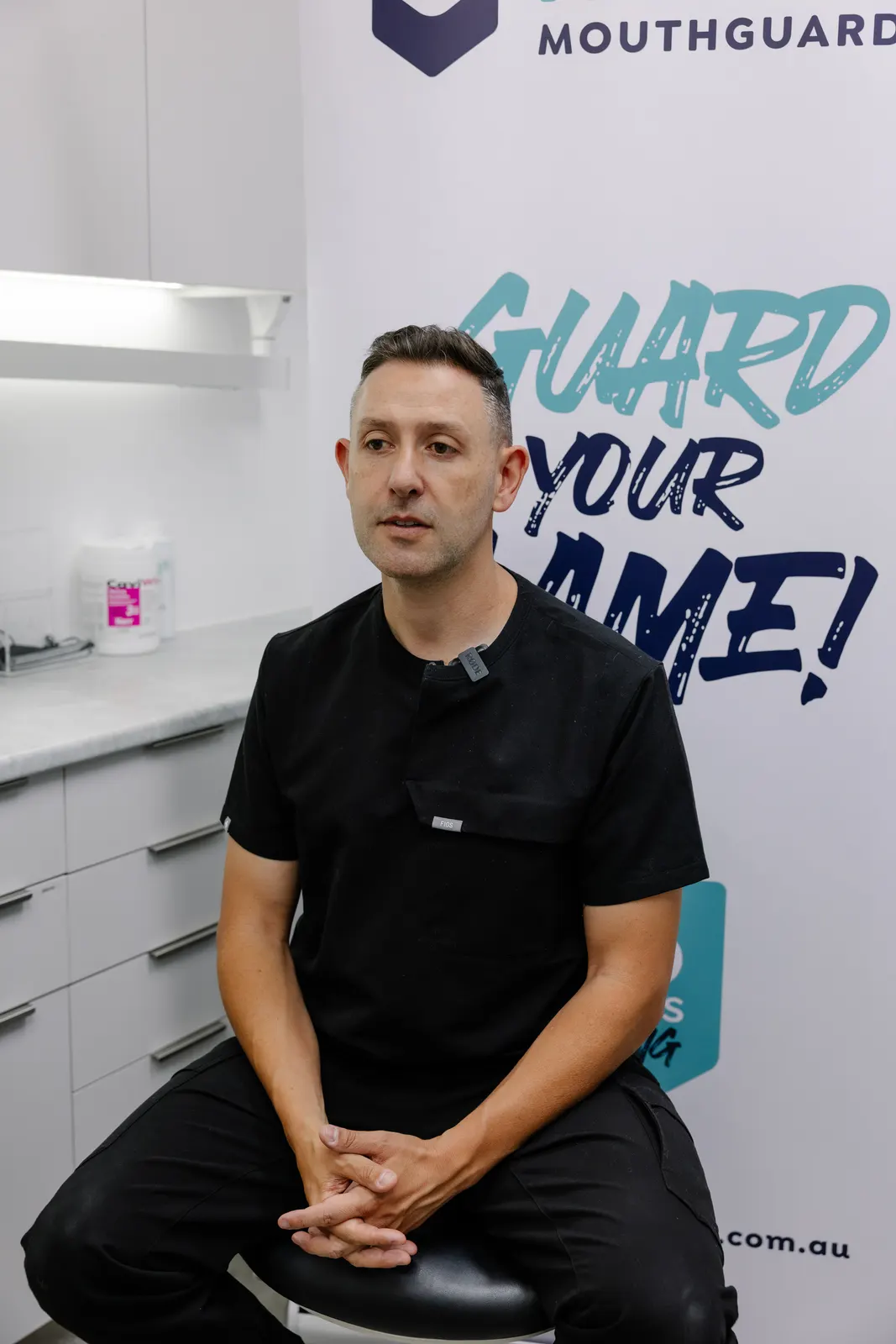
Denture wearers “are usually able to wear an upper denture without problems, but many struggle to eat with the complete lower denture because it is too mobile”, an international panel agreed at a 2002 symposium at McGill University. They named a denture that clips onto two implants the first choice for the lower jaw. At Dental Spot, one of our dentists places the implants and Anthony Adaimy, dental prosthetist, makes the denture in our lab upstairs.
Open Monday to Saturday
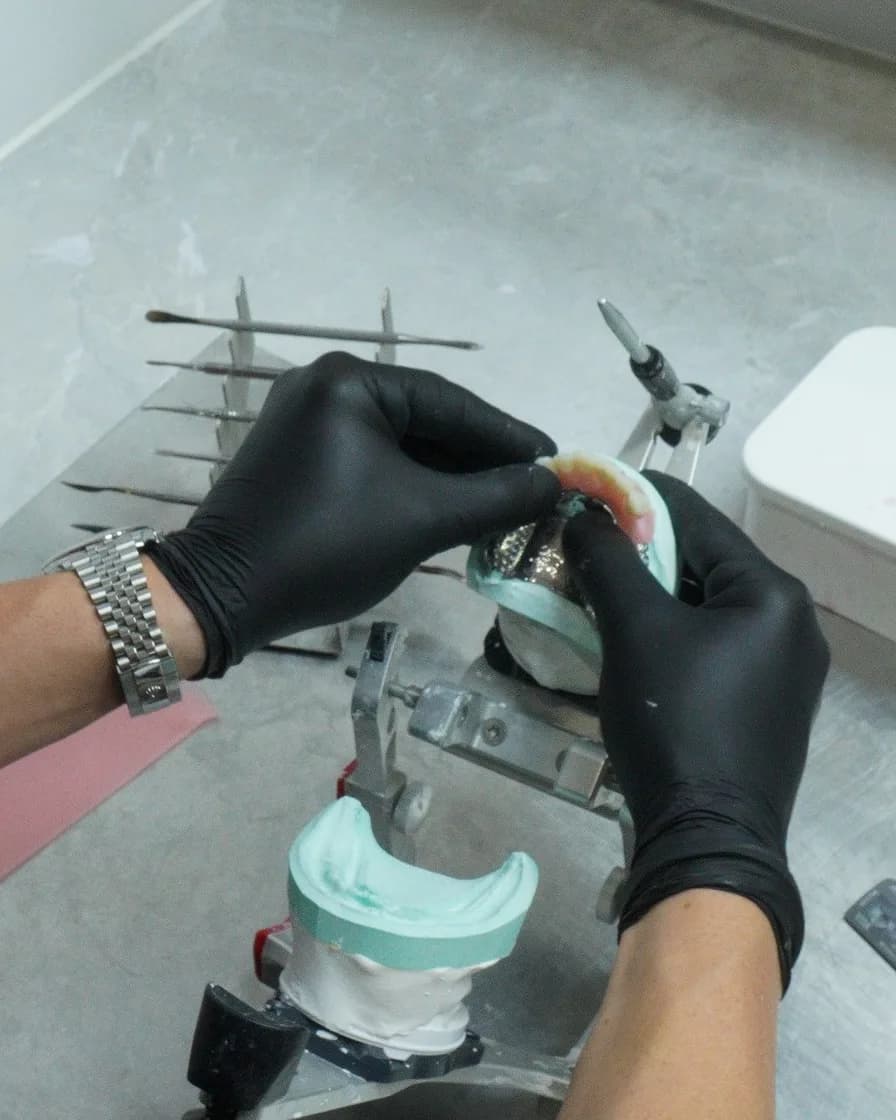
Usually two in the lower jaw, and at least four in the upper. An implant-retained denture, also called a snap-in denture or an overdenture, is a full denture with clips inside it that snap onto the implants.
The lower jaw gains the most, because an upper denture usually stays in by suction against the roof of your mouth and a lower one has less to hold on to. In the trials behind the McGill consensus, people with two implants found their lower denture “significantly more stable” and more comfortable, and found chewing and speaking easier. In a ten-year trial published in Clinical Oral Implants Research, four lower implants did no better than two.
An upper needs at least four. A 2021 overview of 36 systematic reviews in the International Journal of Prosthodontics advised four to six. With fewer than four, 67.2% to 89.4% of upper implants survived the medium term, against 94.9% to 98.3% with four.
It still comes out. You unclip it to clean it, and take it out at night. On two lower implants the back of the denture still rests on your gum, so it moves much less than before and can still move a little at the back.
Usually, if a 3D scan shows enough bone and your gums and general health are good.
Or you need adhesive several times a day to keep it in.
Or All-on-4 doesn’t suit your budget or your bone.
Tell your dentist about osteoporosis, cancer, a bleeding disorder or any medicines you take.
The clips wear and loosen, and replacing them is the most common upkeep on lower implant dentures, a 2012 systematic review found. How often varies from person to person.
Implants help keep the bone around them, but the bone under the back of the denture keeps shrinking. A ten-year study of 120 people in the Journal of Oral Rehabilitation found the same loss there with two implants, four or none. So the denture still needs relining from time to time.
Kept clean and checked, implants last well. A 2019 study of 53 people aged 60 or over with two lower implants found 92.5% implant survival over 20 years.
An implant denture costs less than All-on-4 and comes out, and All-on-4 stays in and doesn’t move when you eat. The research that made two implants the standard compared them with full dentures, not with fixed teeth, so it doesn’t say which of the two people prefer.
| Implant denture | All-on-4 | Full denture | |
|---|---|---|---|
| Implants | Two or more: usually two lower, four or more upper | Four to six | None |
| Fixed or removable | Clips in, and you take it out to clean | Fixed, and your dentist removes it at reviews | Removable |
| Surgery | Yes | Yes | No |
| Who places the implants | One of our dentists, here | A surgeon we refer you to | No implants |
| At night | Out | Stays in | Out |
| What wears | The clips, and the fit as your gums change | The teeth on the bridge | The fit, as your gums change |
| Cost up front | Less than All-on-4 | The most | The least |
The cost depends on the parts your treatment needs, and we go through each with you before you decide.
Fees depend on the treatment you need, so we give you an accurate quote at your consultation, before anything starts.
Medicare doesn’t cover dental implants for most adults. Extras cover with major dental may pay part, up to an annual limit and after a waiting period: ask your fund with the item numbers from your quote. We accept all major health funds, and you can claim on the spot through HICAPS. Full-mouth implant costs in Australia
Costs and health fundsLike any dental treatment, this carries risks, and results vary from person to person. Read the risks below and ask us about your situation before you decide.
Infection.
After surgery, or later as gum disease around the implants, called peri-implantitis, if they aren’t kept clean.
An implant not healing in, or failing later.
Smoking, diabetes and gum disease raise the risk.
Nerve injury.
Lower-jaw implants can affect the nerve, causing numbness or tingling in the lip or chin.
Sinus problems.
Upper-jaw implants sit near the sinuses and can affect them.
The denture can crack.
It’s the most common repair after worn clips.
Swelling, bruising and soreness for some days.
Soft food while your gums heal.
Out at night and to clean.
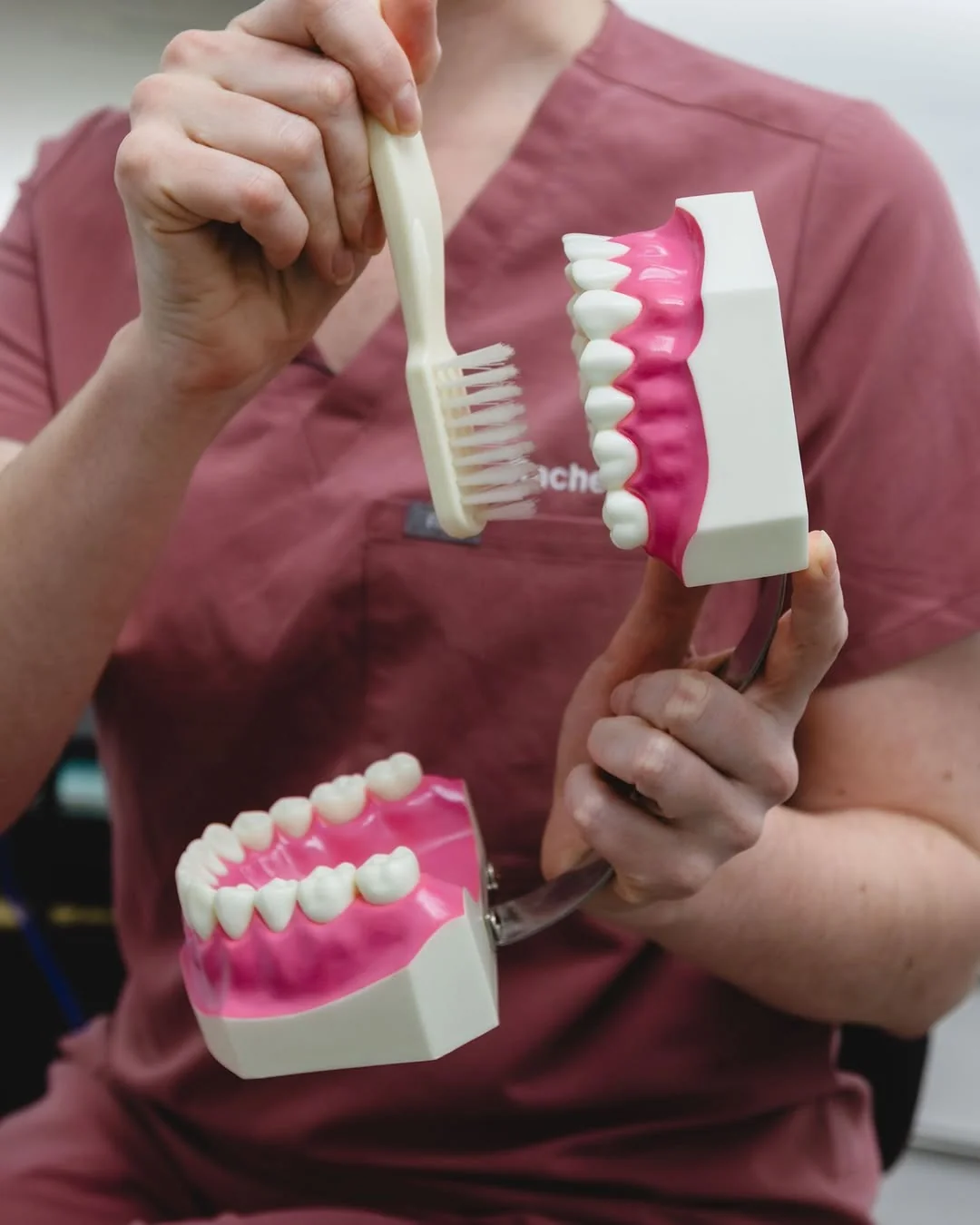
Clean it twice a day with a soft brush and mild soap, not toothpaste, and brush around each implant. How to clean dentures
Give it a few months.
Most people take that long to get used to how dentures feel, healthdirect says.
Check-ups at least once a year.
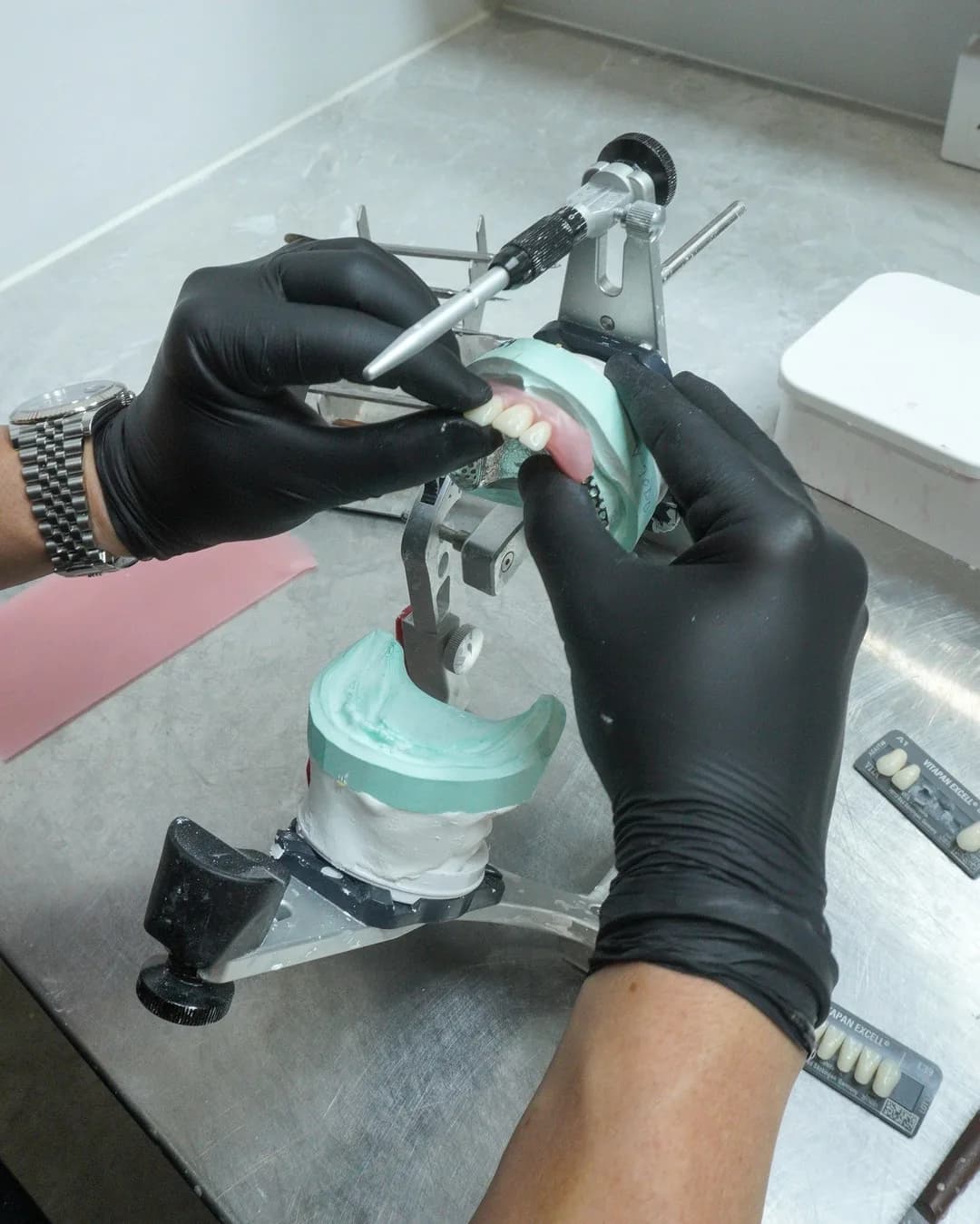
Anthony makes your denture in our lab upstairs, in the same building as the dentist who places your implants.
Most of what an implant denture needs over the years is work on the denture itself. We reline and repair dentures here, and minor repairs can often be done within a day.
One of our dentists places your implants, here at the practice, and will tell you about their implant training at your consultation.
Anthony Adaimy, dental prosthetist, makes the denture in our lab upstairs and fits it. When we introduced him in 2016, we wrote that he “sees patients for dentures and mouthguards and constructs all dental appliances in our in house laboratory”. He isn’t a dentist, so he doesn’t place implants.
Something else on your mind? Ask us on the phone, or leave your number and we’ll call.
Request a callbackTake it out at night, unless your dentist tells you otherwise. In a 2015 study of 524 people aged 85 and over, published in the Journal of Dental Research, wearing dentures while asleep went with about 2.4 times the risk of pneumonia.
The implants usually outlast the denture: a 2019 study of people aged 60 or over found 92.5% survival of lower implants over 20 years. The denture is replaced sooner: in a 2022 ten-year trial of upper implant dentures, 57.9% of the original dentures on four implants were still in use at the end, and 29.4% of those on six.
It varies from person to person, and the research is too thin to give an interval. If your denture starts to feel loose, book a check.
Sometimes less of it. A 2021 systematic review in BMC Oral Health put the minimum at four or six implants, joined together, for an upper denture that leaves the roof of your mouth uncovered. How much yours covers depends on your bone and the design, so ask before it’s made.
The implants go in under local anaesthetic, and sedation is an option if you’re nervous. Expect swelling, bruising and soreness for some days afterwards.
Usually, if there’s enough bone. A 3D scan shows how much is left, and some people need bone grafting or more implants first.
An implant-retained denture clips onto the implants and rests partly on your gum. An implant-supported denture is carried fully by the implants, often on a bar joining them. People use the names loosely, so ask which one your quote is for.
One of our dentists places the implants, here at the practice. Anthony Adaimy, dental prosthetist, makes the denture in our lab upstairs and fits it.
Medicare doesn’t for most adults. Extras cover with major dental may pay part. We accept all major health funds and claim on the spot through HICAPS.
 Dental implants
It depends on your bone density, health, lifestyle and budget.
Updated Dental implants
The cost depends on how complex the surgery is, including any bone grafting, how many implants you need, the materials…
Updated Dental implants
A bone graft may be needed before a dental implant when your jaw has lost bone, which happens naturally after a tooth is…
Updated