Keeping the tooth.
You keep your own tooth, your bite and the bone around it. A back tooth usually needs a crown afterwards, which adds to the cost.

Treating an infected or inflamed nerve so you can keep the tooth. We explain each step, and you can ask us to pause.
Open Monday to Saturday
Inside each tooth is soft tissue called the pulp, which holds the nerve and blood supply. Deep decay, a crack or a knock can inflame or infect it.
Root canal treatment removes that tissue, cleans and disinfects the canals inside the root, and seals them. The other option is taking the tooth out.
Some infected teeth cause no pain at all and only show up on an X-ray.
Often after a knock, sometimes years earlier.
Often two or more appointments. Your dentist will tell you how many before you start.
Both are reasonable choices. We’ll explain each for your tooth, with the costs.
You keep your own tooth, your bite and the bone around it. A back tooth usually needs a crown afterwards, which adds to the cost.
Quicker and cheaper on the day, but it leaves a gap. Filling it later means a bridge, an implant or a denture.
Some teeth have curved, narrow or blocked canals that need more time and equipment. If yours is one, we’ll tell you and can refer you to a dentist who only does root canal treatment.
Back teeth have more canals and take longer, so they cost more to treat. A crown afterwards is extra: ask us to include it in your quote if the tooth will need one.
Fees depend on the treatment you need, so we give you an accurate quote at your consultation, before anything starts.
Ask your fund what it pays for the item numbers on your quote. You can claim on the spot through HICAPS; your rebate depends on your cover.
Costs and health fundsLike any dental treatment, this carries risks, and results vary from person to person. Read the risks below and ask us about your situation before you decide.
Treatment doesn’t always work.
Sometimes infection stays or comes back, and the tooth needs retreatment or removal.
A flare-up.
Pain or swelling can get worse between appointments. Call us if it does.
A treated tooth is more brittle.
A back tooth can crack without a crown.
Hard-to-treat canals.
Rarely, a canal is blocked or a fine instrument breaks inside it. We’ll tell you if it happens and what it means.
Tender for a few days.
Pain relief from the chemist usually helps. Ask us what suits you.
Chew on the other side.
Until the tooth has its final filling or crown.
Worsening pain or swelling.
Call us. Don’t wait for your next appointment.
Any of our dentists can do your root canal treatment. If you’d like Dr James Pomfret or Dr Amanda Zhong, who both enjoy root canal treatment, ask for them when you call.
Something else on your mind? Ask us on the phone, or leave your number and we’ll call.
Request a callbackThe tooth is numbed first, so for most people it feels much like having a filling. The tooth can be tender for a few days afterwards.
Often two or more, depending on the tooth and the infection. Your dentist will tell you before you start.
Usually for a back tooth, because a treated tooth is more brittle and can crack. A front tooth can sometimes be restored with a filling.
Yes, that’s an option, and we’ll explain it alongside root canal treatment. Taking a tooth out is quicker and cheaper on the day, but it leaves a gap you may want to fill later.
When a tooth can be saved, keeping it is usually the first choice. An implant replaces a tooth that can’t be saved. We’ll talk through both if your tooth is borderline.
It takes longer, often over more than one appointment: the canals are cleaned, shaped and sealed, with X-rays along the way. A back tooth usually needs a crown afterwards too, so ask for a quote that includes the crown to see the total.
Not for most adults. Eligible children can use the Child Dental Benefits Schedule, which covers root canal treatment. Extras cover often pays part as major dental: ask your fund what it pays for the item numbers on your quote.
Usually, if it can be saved. Keeping your own tooth keeps your bite and the bone around it, and replacing a tooth later with an implant or bridge usually costs more. If the tooth is cracked below the gum or there isn’t enough of it left, taking it out can be the better choice, and we’ll tell you.
Most people can, once the numbness wears off. Avoid chewing on that side until the tooth is fully restored.
Tell us when you book. We’ll explain each step before we start, agree a signal for stopping, and pause whenever you need us to. We also offer sedation.
Pain that lingers after hot or cold, a throbbing toothache or pain that wakes you, pain when you bite, swelling or a pimple on the gum near a tooth, or a tooth that has darkened. Some infected teeth cause no pain at all and only show up on an X-ray.
Our dentists do root canal treatment here. Some teeth have curved, narrow or blocked canals that need more time and equipment: if yours is one, we tell you and can refer you to a dentist who only does root canal treatment.
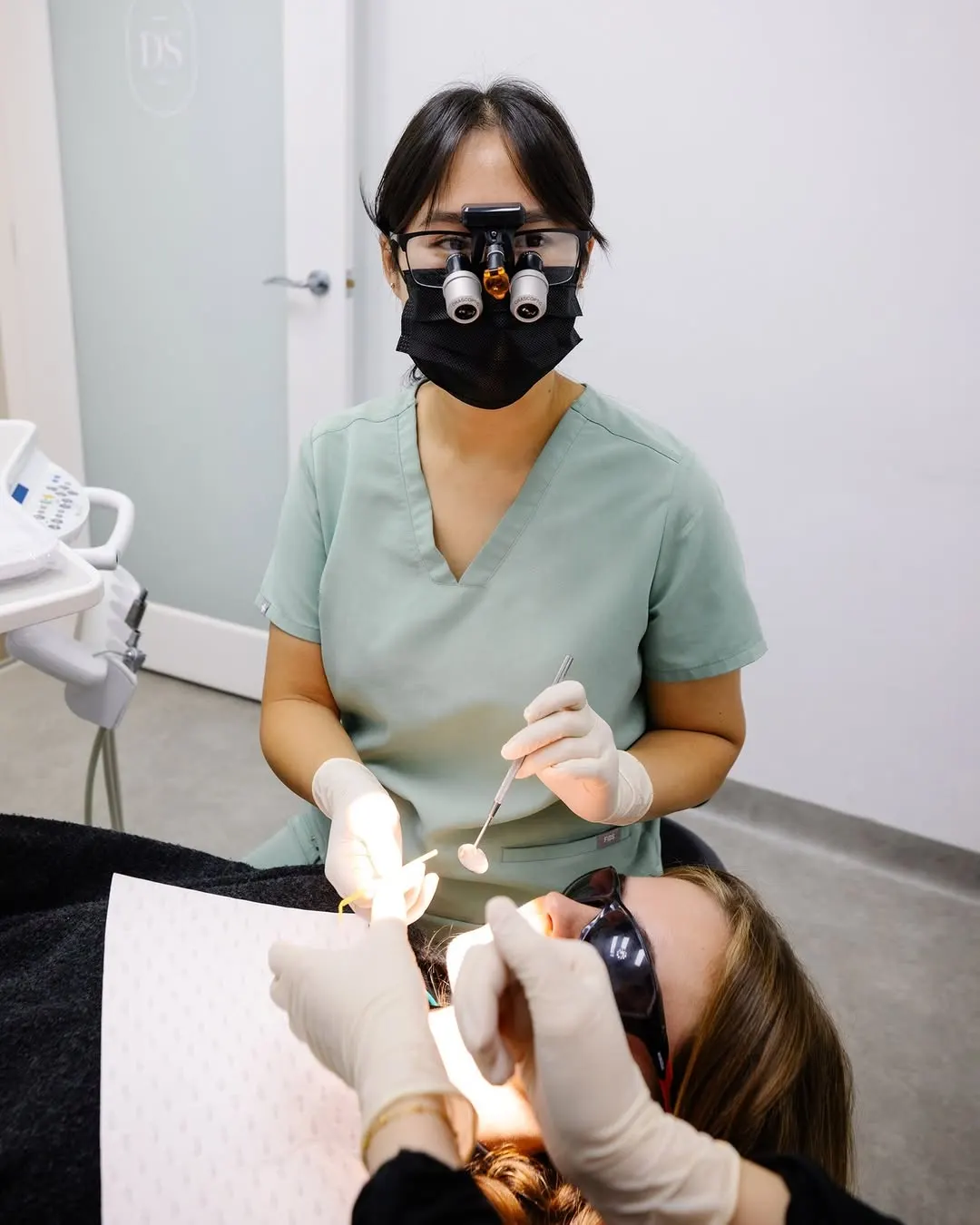 Dental implants
Root canal therapy keeps your natural tooth, but a treated tooth can later crack or need retreatment.
Updated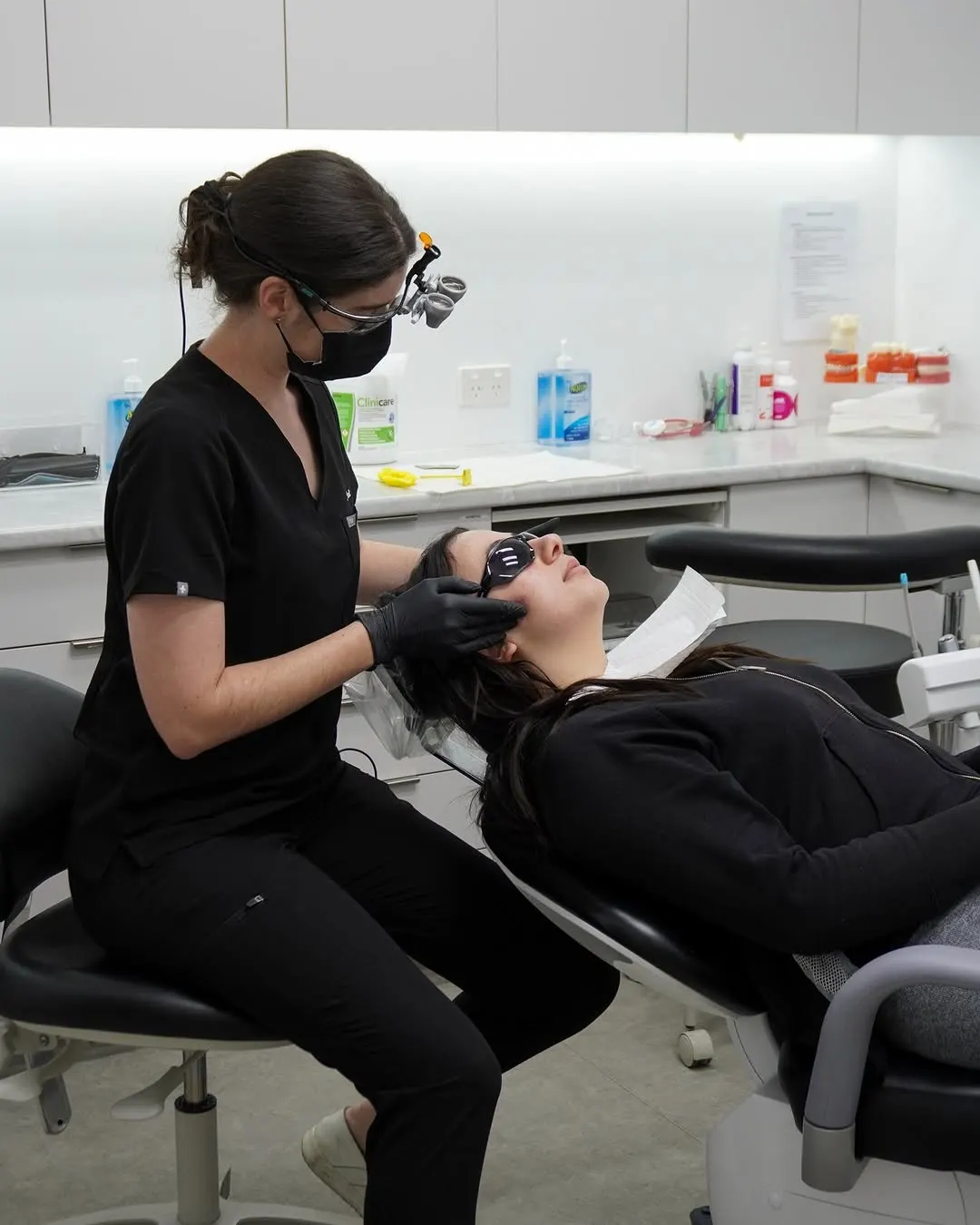 General dentistry
Sensitivity after a filling is common and usually short-lived.
Updated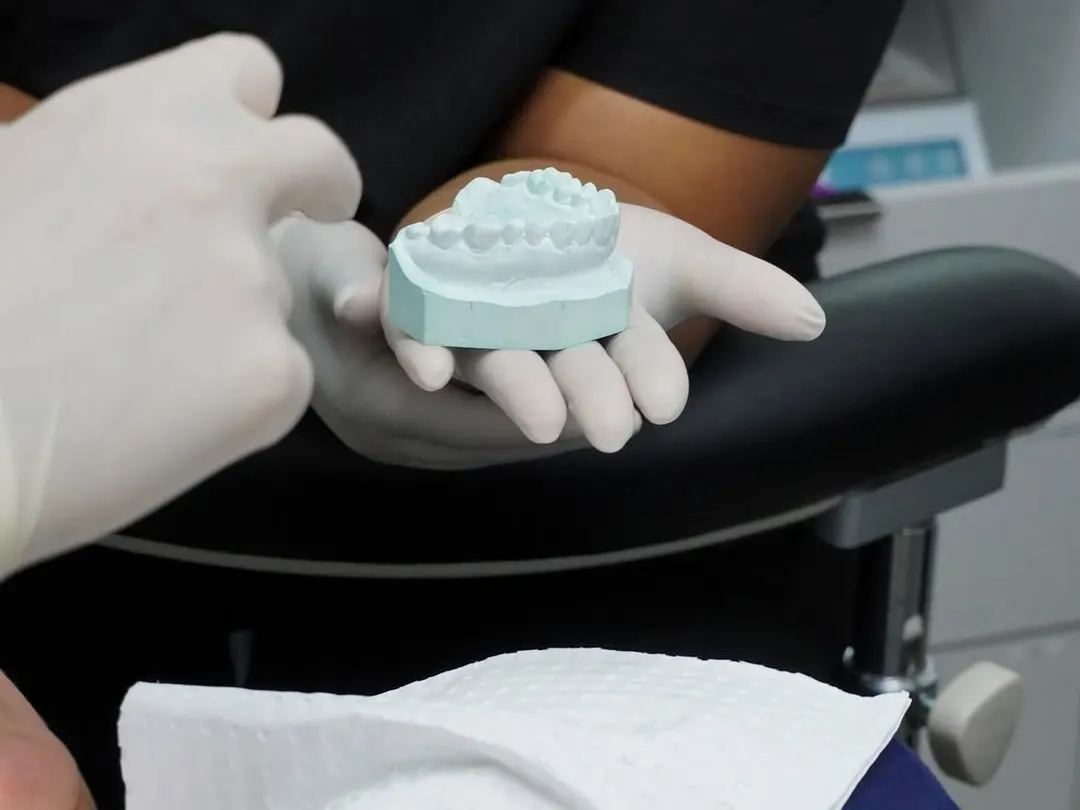 General dentistry
You may need a crown to protect a tooth that is badly damaged, decayed, worn or heavily filled, to restore a tooth after…
Updated