Not every wisdom tooth needs to come out.
A wisdom tooth that’s healthy, fully through and easy to clean can usually stay. We’ll keep an eye on it at your check-ups.

Wisdom teeth removal and other extractions: what’s involved, what recovery is like, and when we refer.
Open Monday to Saturday
Wisdom teeth are the last molars, usually arriving in the late teens or twenties. Many come through without trouble. Some get stuck against the tooth in front, come through partway, or have no room, and cause pain, infection or decay.
Other teeth come out when they’re too broken or infected to save. We’ll talk through whether a tooth can be kept before suggesting it comes out.
Swelling spreading to your face or neck, or trouble swallowing or breathing? Go to a hospital emergency department. For other pain, call us first
We explain each step before we start, and you can ask us to pause.
A wisdom tooth that’s healthy, fully through and easy to clean can usually stay. We’ll keep an eye on it at your check-ups.
Teeth deep in the bone or close to the nerve can be better removed by a surgeon, sometimes in hospital. If yours is one, we’ll explain why and refer you.
Teeth that are badly broken, infected, or loose from gum disease can also be removed. If it leaves a gap, we’ll talk through a bridge, an implant or a denture.
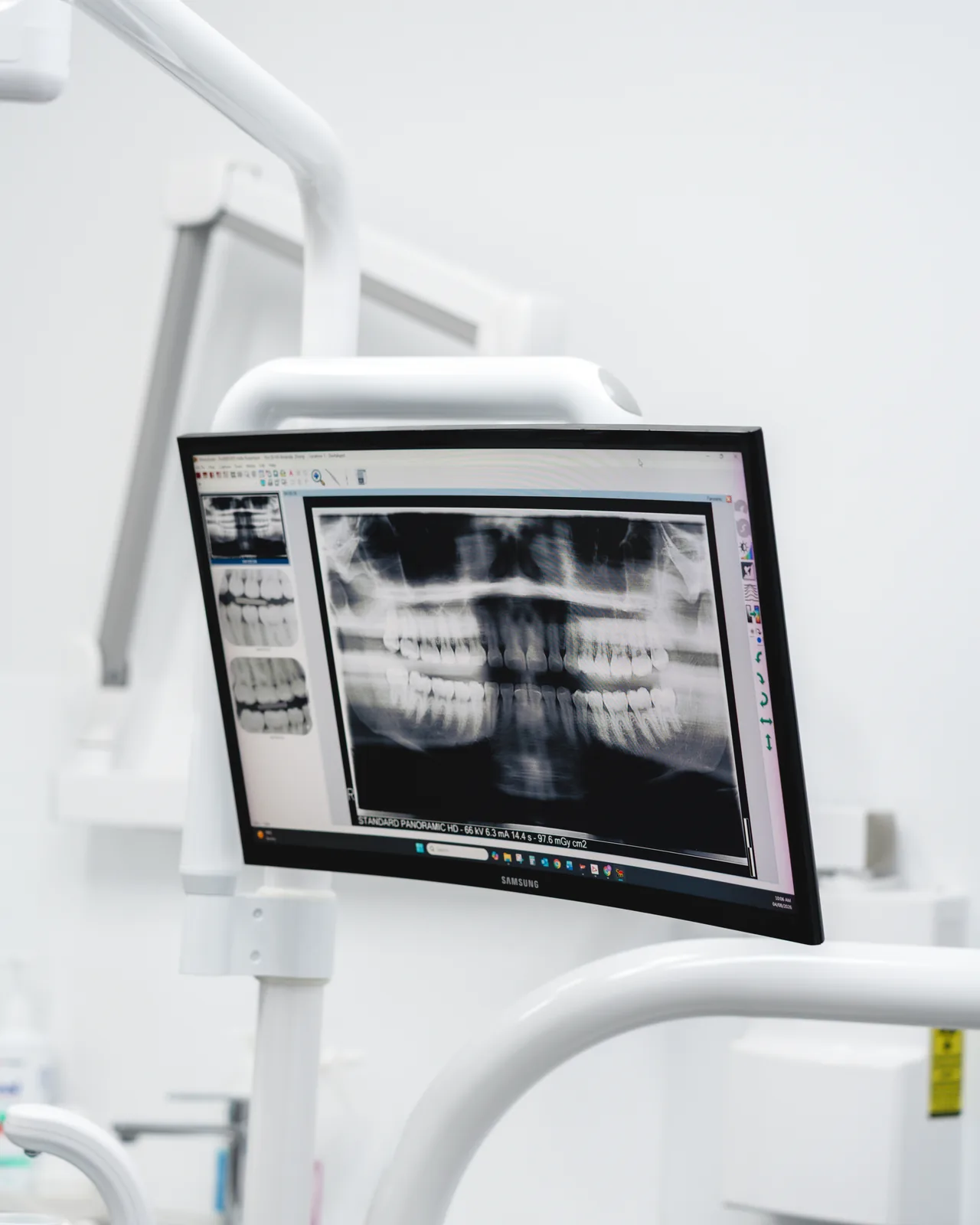
The quote depends on how hard the tooth is to remove, which the X-ray shows.
Fees depend on the treatment you need, so we give you an accurate quote at your consultation, before anything starts.
Ask your fund what it pays for the item numbers on your quote. You can claim on the spot through HICAPS; your rebate depends on your cover.
Costs and health fundsLike any dental treatment, this carries risks, and results vary from person to person. Read the risks below and ask us about your situation before you decide.
Dry socket.
The blood clot comes away and the socket aches one to three days later. It’s treatable, so call us.
Swelling, bruising and a stiff jaw.
Usually worst on the second or third day.
Bleeding.
Some oozing on the first day is normal. Bite on gauze if it keeps going, and call us if it doesn’t stop.
Infection.
Fever, worsening pain or pus are reasons to call.
Nerve injury.
Lower wisdom teeth sit near the nerve to your lip, chin and tongue. Rarely, removal leaves numbness or tingling, usually temporary and occasionally permanent. Your X-ray tells us how close it is.
Rest for the day.
Keep your head up and skip exercise.
Soft food, and no straws.
For the first few days. Sucking can dislodge the clot.
No smoking.
Smoking raises the chance of dry socket.
Keep it clean.
Gentle salt-water rinses from the next day, as your dentist advises.
Back to normal in a few days.
A lower wisdom tooth removed surgically can take a week or so.
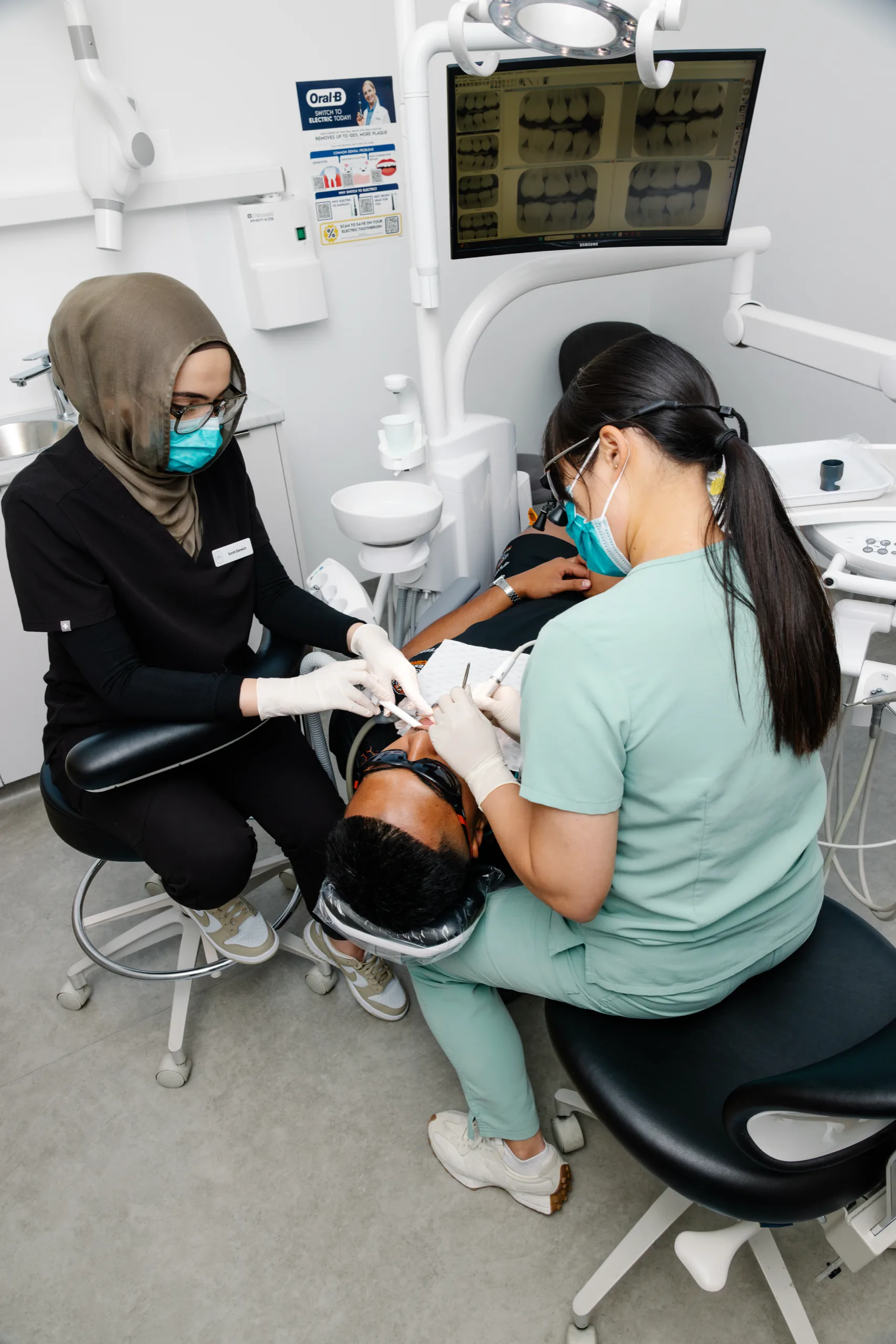
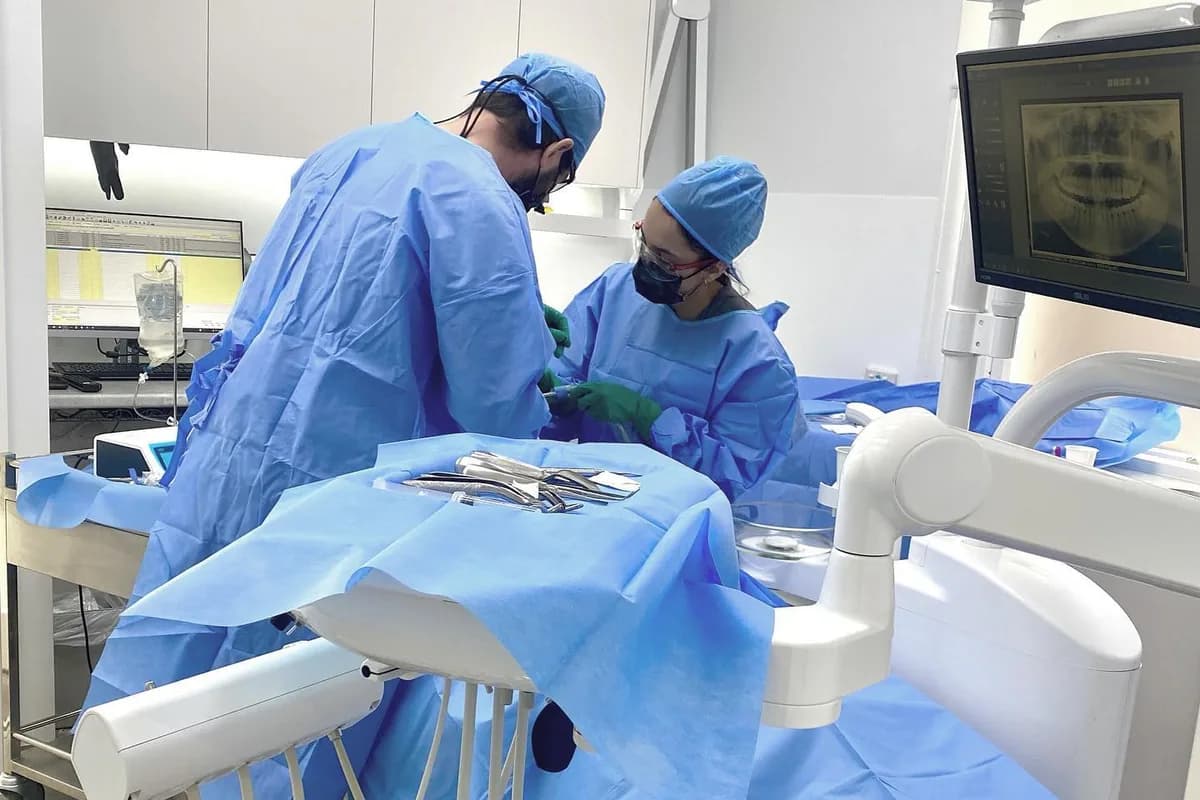
Extractions are done by one of our dentists. If your tooth needs surgery elsewhere, we refer you.
Something else on your mind? Ask us on the phone, or leave your number and we’ll call.
Request a callbackNot necessarily. It depends on which ones are causing trouble and where they sit. We’ll talk through the options at your consultation.
Usually not. Healthy wisdom teeth that cause no trouble don’t need to come out. Your dentist will keep an eye on them at your check-ups.
The area is numbed, so you’ll feel pressure rather than sharp pain. It’s sore for a few days afterwards, and pain relief and cold packs help.
Most people are back to normal within a few days. A lower wisdom tooth removed surgically can take a week or so.
We remove teeth with a local anaesthetic, and offer sedation if you’re nervous: you stay awake but relaxed. Being fully asleep means a general anaesthetic in hospital, and we can refer you.
It depends on how hard the tooth is to remove, which the X-ray shows. A tooth that’s fully through costs less than one under the gum that comes out in pieces. You’ll have the fee after the X-ray, before anything starts. If we refer you, the surgeon’s fee is separate.
Dry socket is when the blood clot in the socket comes away and leaves the bone exposed. It usually shows one to three days after the extraction as a deep ache that gets worse, sometimes with a bad taste. Call us: we clean and dress the socket, which eases the pain.
Some oozing on the first day is normal. Fold clean gauze over the socket and bite firmly for 30 minutes without checking it. If it’s still bleeding heavily after that, call us, or after hours go to a hospital emergency department.
Often, yes. We check whether it can come out the same day or whether root canal treatment can save it. If you have trouble breathing or speaking, or swelling around your eye or neck, go to a hospital emergency department; for a fever or trouble swallowing, call us the same day.
Sometimes, if the teeth can’t be saved. One of our dentists takes the teeth out, and our dental prosthetist can make immediate dentures beforehand so you leave with teeth. We’ll talk through whether any teeth are worth keeping first, because they help hold a denture in place.
Soft, cool food for the first few days: yoghurt, eggs, soup that isn’t hot, mashed vegetables. Chew on the other side and avoid straws.
Medicare doesn’t cover most adult dental care. If your extras cover includes dental, your fund may pay part, and you can claim on the spot with HICAPS. If we refer you for a general anaesthetic in hospital, your hospital cover pays towards the hospital, and for the anaesthetist, Medicare usually pays 75% of the schedule fee and your hospital cover pays the other 25% (Commonwealth Ombudsman).